Paragliding Cross Country
From your first XC to mountains, competition, and the Alps — 17 parts
Fly With Greg's 17-part cross-country curriculum — from leaving a small hill on your first XC, through leesides and mountain flying, gaggle and competition tactics, to designing routes in the Alps. The art of flying far, safely.
1. Cookies Are for Closers — An XC Record Attempt, Narrated
Cross country is hard to learn from text alone. But a skilled pilot narrating what he sees and how he decides holds up a mirror to what you've been missing in the same situation. A good XC flight is made not by the distance covered, but by the thread of judgment you keep to the end.
2. Getting Away From a Small Hill — The First Gate of XC
Many new pilots picture XC as simply "flying far." But the real first wall is that single decision to leave a familiar hill, and the timing is set not by courage but by height and wind. Learning to leave the hill is, in the end, learning to judge when to cross a line you can't take back.
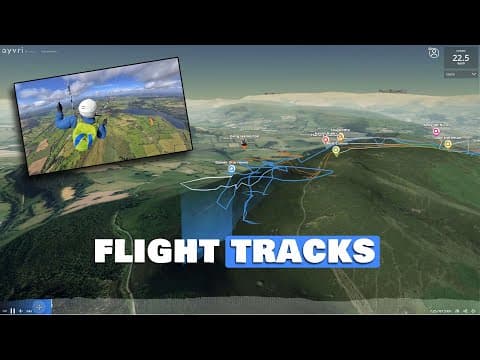
3. Learning From Your Flight Tracks — Reflying the Record
Pilots usually spend their time preparing the next flight, and far less actually reviewing the last one. But the cheapest coach is the track you've already flown. The habit of reflying a flight is what lets you fly the same sky farther next time.
4. Staying Safe on the Leeside — Rules for the Back of the Mountain
The leeside is usually taught as "the place you must never go." But in reality almost all mountain flying carries some leeside effect, and what's dangerous is not the leeside itself but entering it without knowing where its edge is. A safe pilot isn't the one who avoids the leeside, but the one who can read its line.

5. Do You Really Want the Red Bull X-Alps? — The Road to Hike-and-Fly
A big goal gives strong motivation, but sometimes that goal drags your present self into danger. Greg's advice isn't to give up the dream — it's to keep the order that leads to it. The further a pilot wants to go, the sooner they need to learn not to rush.
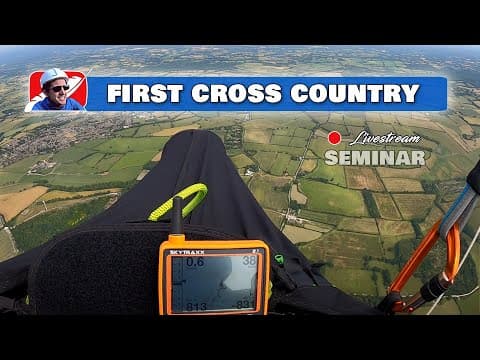
6. How to Fly Cross Country (For the First Time) — The Seminar
A first XC is a question of resolve before it's a question of skill. But for that resolve not to become recklessness, you have to learn and prepare before you leave. What makes this seminar valuable isn't flashy flying — it's that it holds the two words "safely far" all the way through.
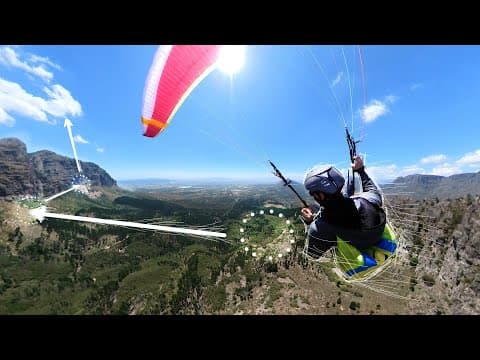
7. Mountain Flying Shortcuts — Preparation and Decisions
Skill in mountain flying shows first in the head that decides whether to fly, not the hands that work the canopy. But a good decision comes from preparation, not instinct. The fastest shortcut is the time you spend weighing things before you fly.
8. Shortcuts to Your First Cross Country — Tasks to Start Now
A first XC doesn't arrive one day out of nowhere — it's the point you reach naturally by adding small tasks to ordinary flights. But many pilots skip the preparation in between and want only the result. The shortcut isn't to cut the distance, it's to stop putting off the preparation.
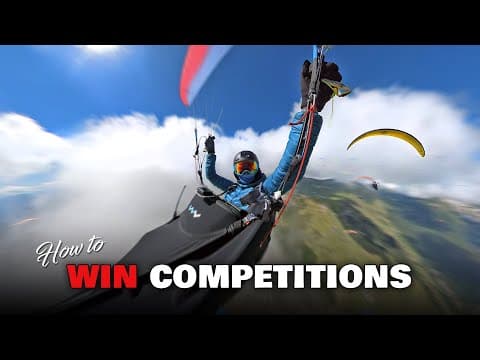
9. How to Win Competitions — Advice From a British Champion
Competition flying looks like it's won by the fastest gear or the boldest line. But the decisive ground a champion points to is neither equipment nor courage — it's steady judgment and confidence. When everyone in the same sky is guessing, the pilot who keeps making the better guess pulls ahead.
10. My Simple System for the Alps — Flying New Places Safely
Flying somewhere new always carries excitement and danger together. But the more experienced the pilot, the less they lean on improvisation, repeating the same check order wherever they are. The key that unlocks the Alps isn't boldness — it's the simple system you keep every time.
11. Racing at the Front Line — Tactics for Staying Ahead
Front-of-the-pack flying looks like it belongs to whoever flies straightest and fastest. But in reality it's the judgment of when to bank height and when to push speed that settles the race. The pilot who stays ahead isn't the boldest — it's the one who best balances the gamble against the bank.
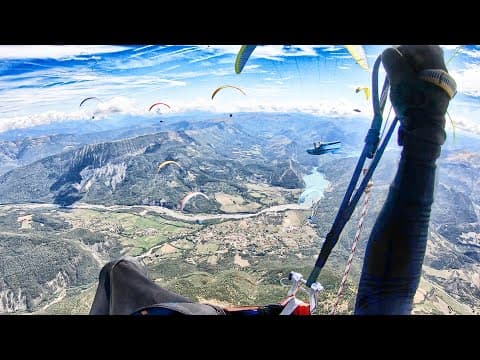
12. Lifting a Thermal From a Crowd — Working the Gaggle
Gaggle flying is a wholly different skill from thermalling alone. But many pilots who climb well by themselves lose their vision and spacing in a crowd. Flying well in a busy sky comes down, in the end, to reading others and turning together with them.
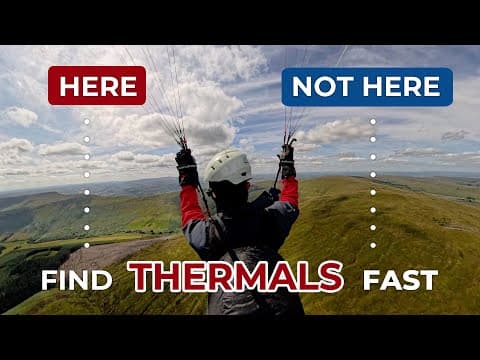
13. An Easy Thermal-Hunting Method — Finding the Next Climb
Thermals look like something you meet by luck, but in reality the terrain and the wind set their place. Without knowing the pattern, though, in the same sky one pilot climbs and another sinks. To "hunt" a thermal means going to find it first, rather than waiting for it.
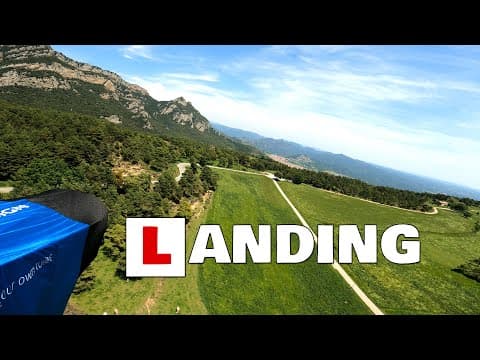
14. Landing Somewhere Random — A Setup for Unknown Fields
A flight that goes far is always a flight that lands somewhere unfamiliar. But many pilots practice launching while leaving the landing in a strange field to luck. A safe XC is completed not by a fine launch, but by the same calm finish wherever you set down.
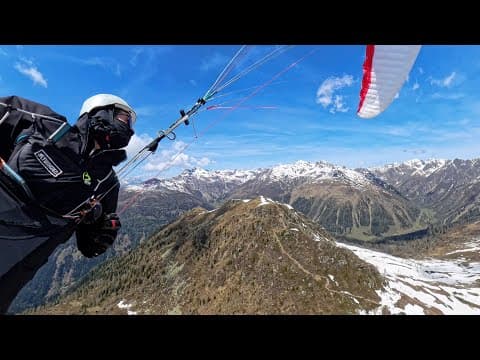
15. Where's Your Focus? — Managing Attention in the Mountains
Accidents often happen not from a lack of skill, but from looking at the wrong thing at the crucial moment. But focus isn't something you're born with — it's a habit built by training. A pilot who flies well isn't the one who sees more, but the one who sees what matters when it matters.

16. How to Read a Leeside — Seeing the Invisible
The leeside is taught as a skill for "avoiding" danger, but that rests on the ability to "recognize" it. The downwind face carries no visible marker, though, so you have to read the terrain and wind and draw it in your mind. An eye that sees the invisible in advance — that's where safety in mountain flying begins.
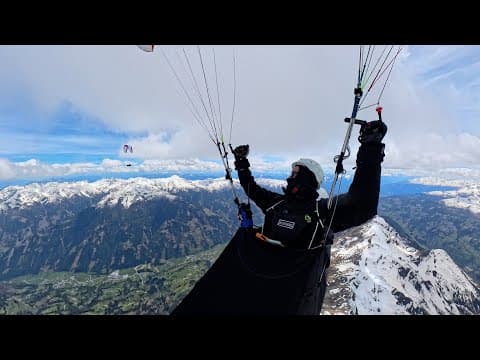
17. Paragliding in Amazing Austria — A Return Route in the Alps
A flight that returns to its launch looks simple, but it demands the most precise route design. Yet going far and still coming back means you knew your margin exactly at every moment. The real reward of the Alps isn't distance — it's coming safely full circle through that scenery.