Harness
POD & lightweight harnesses
Harness reviews.
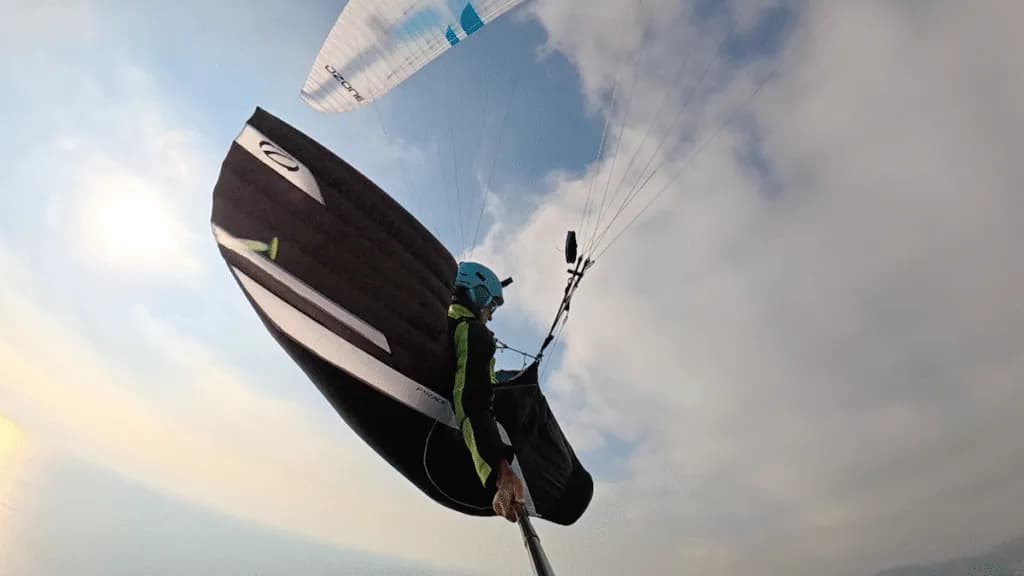
Ozone F-Race 2 (M): An XC Cocoon With Stability You Can Dial
A good harness passes along the signals the glider sends without distorting them. The trouble is that adding stability dulls those signals, while keeping the signals alive unsettles the stability. Usually you have to give up one or the other. The F-Race 2 postpones that compromise until you're in the air. With a single ABS string, you can move between stability and feedback to suit the day's air and the goal of the flight. Instead of declaring one setting the right answer, it leaves that decision at the pilot's fingertips.
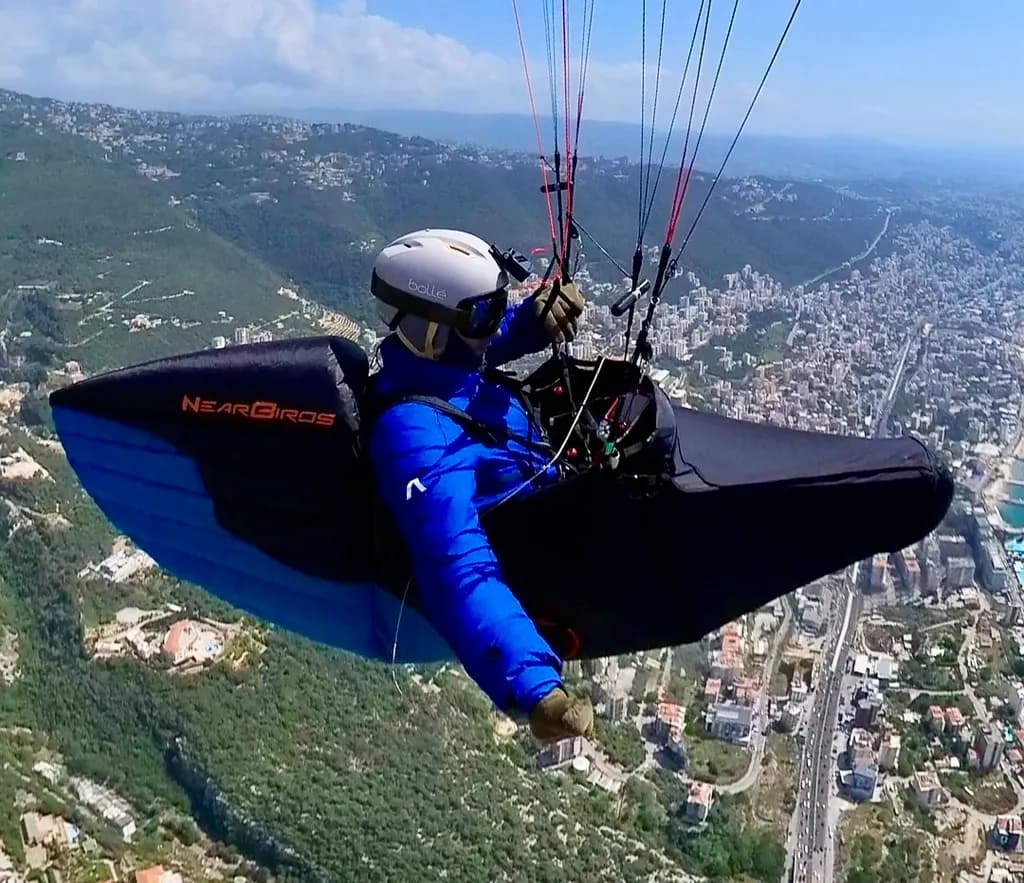
NEARBIRDS Zippy 3 — A Lighter Airy Vibe, Built for Hike-and-Fly XC
The first impression of the Zippy 3 is lightness. But the real value of a light XC harness isn't decided by weight — it's decided by behaviour in rough air, and the Zippy 3 hands that answer over to the ABS. Released, it's smooth; tightened, it's as firm as the NK Arrow. So this harness doesn't insist on a single character. The pilot can set up the same equipment for a calm day and a rough day, each in turn. Less a harness that cut weight, more a harness that put the decision over stability back in the pilot's hands.
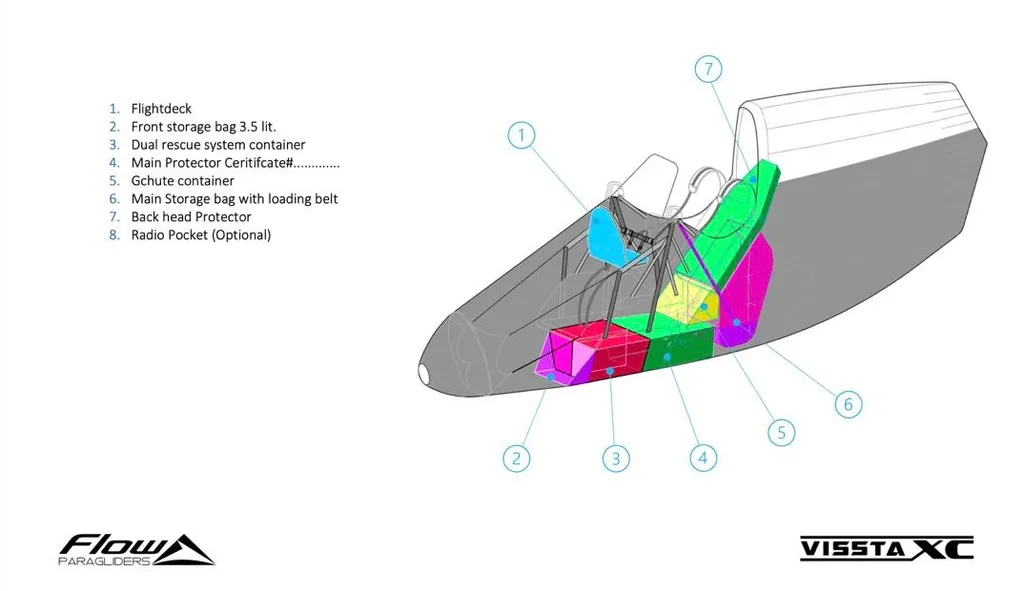
FLOW Vissta XC (M): The Comfort a Foldable Full-Cockpit Harness Can Reach
The Vissta XC's strengths are clear. It carries the long-distance comfort of a full cockpit harness and Impress 4 / Arrow-class weight shift, and it folds for carrying. But that portability is not the kind you get from a lightweight harness that has shaved off every gram. The roughly 5kg figure reads less as "light" and more as "the bulk has been cut while the cockpit protection has been kept." So this is not a harness for the pilot who will trade protection and comfort for weight. It fits the XC pilot who wants the cockpit's comfort and handling kept all the way, and only the hassle of transport and storage taken off the table. It earns its place not by being light, but by folding without giving up comfort.
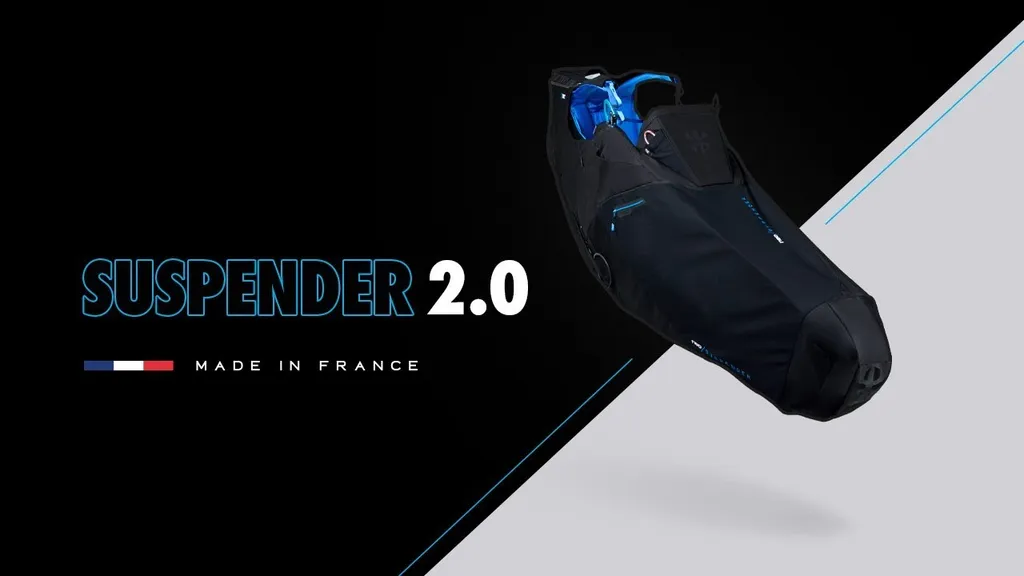
NEO Suspender 2.0 — A Bucket-Seat XC Harness With Seat-Board Composure
The Suspender 2.0's strengths are clear-cut. It hands you the comfort of a bucket seat while keeping its behaviour close to a seat-board, and it carries thermal entry and turbulence damping in the same body. It's a fitting pick for a pilot moving over from a seat-board harness who wants to shift their centre of gravity toward XC without giving up composure. Bassil adds one caveat, though: a harness is an intensely personal piece of kit, so even the same size can feel different from one body shape to the next. This harness's composure and balance are virtues you confirm by sitting in it yourself, not by reading a spec sheet. If it appeals to you, sit in a demo first.
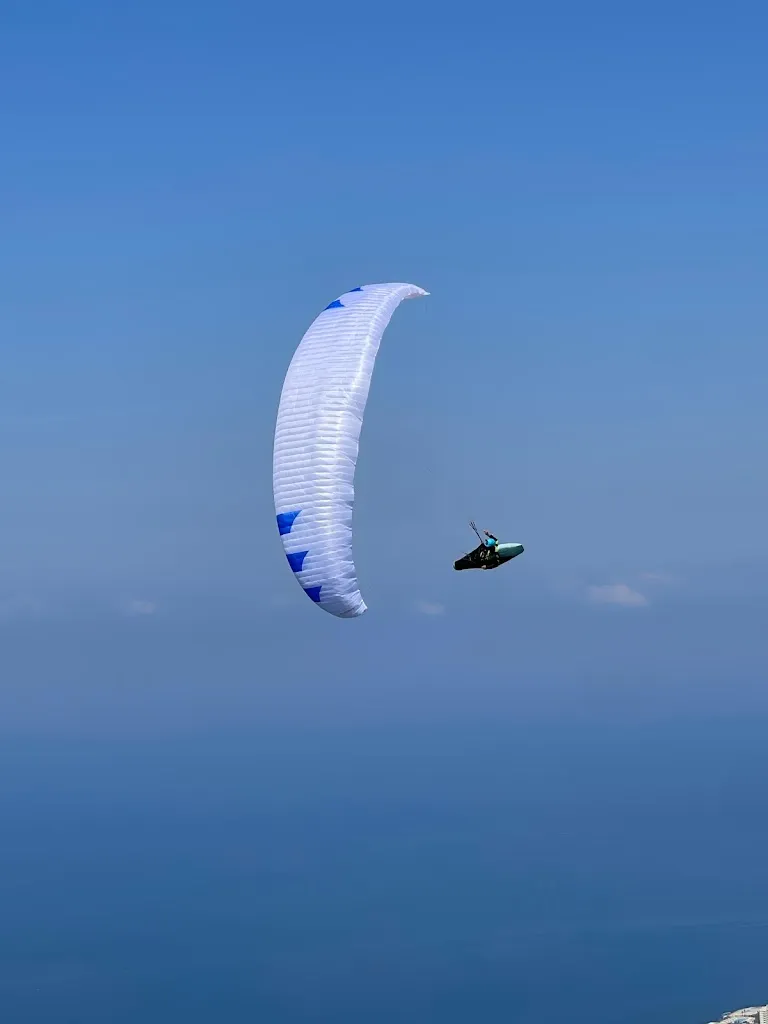
Advance Lightness 4 (M): The Most Comfortable Seating Position Built Without a Seat-Board
The appeal of the Lightness 4 is clear. In a 3kg-class seat-less build it produces a comfortable, board-free seating position, and its thermal turn radius tightens up more than the NK Arrow's. But the heart of it lies beyond the spec sheet. A harness's fit is ultimately decided by the pilot's body. In practice, the support under the thighs can require sizing up to Large depending on your build. So this isn't a harness you settle on from specs alone. A review can fill only half the picture; the other half gets filled only by hanging in it yourself. Bassil makes the point directly: "I am just writing you one half, you have to cover the other one by a test flight." For the pilot who wants lightness and comfort together it's a strong candidate, but it's closer to a harness where the test flight isn't optional, it's the premise.
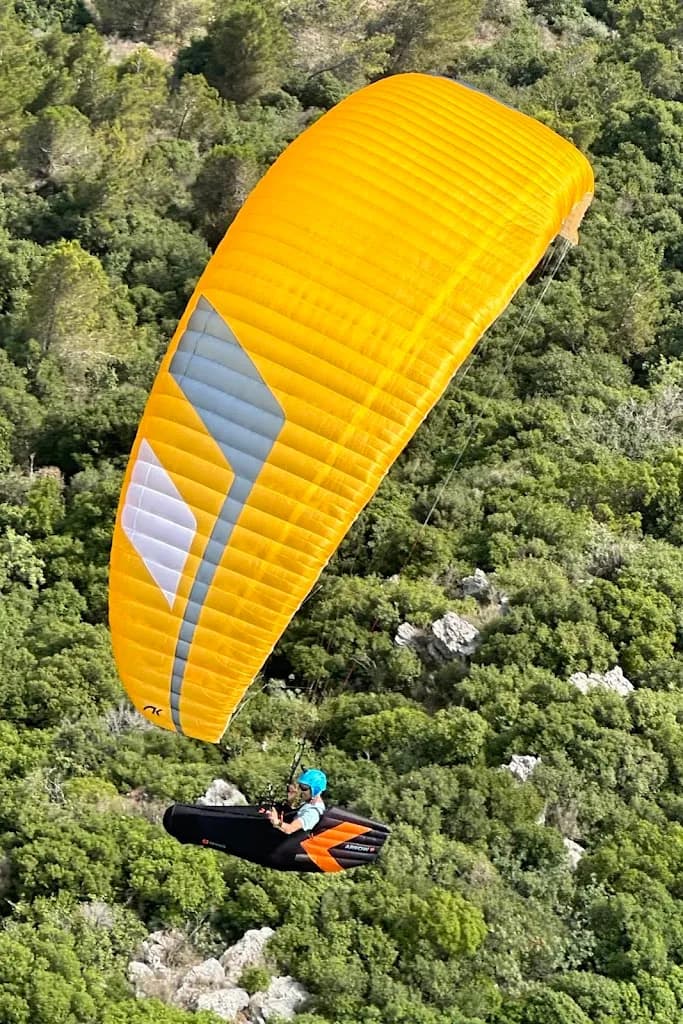
Niviuk Arrow-P (M): A Lightweight POD That Trades Weight for Comfort, Not Away From It
Choosing a lightweight harness usually means bracing to give up comfort and composure as the price of low weight. The Arrow-P makes that resignation look misplaced. At around 1.7kg it draws out both a pressure-free, hammock-like fit and a moderate roll behaviour, and with two protection options — foam and inflatable — it hands the comfort-versus-volume trade back to the pilot to weigh for themselves. But the lightness comes with a clear footnote. Woven from delicate fabrics and special carabiners, it isn't recommended for acro, and rough environments demand extra care. So the Arrow-P is less an easy harness for anyone than one for the pilot who knows how to handle lightweight gear — and who, in return for that discipline, gets couch-like comfort back.
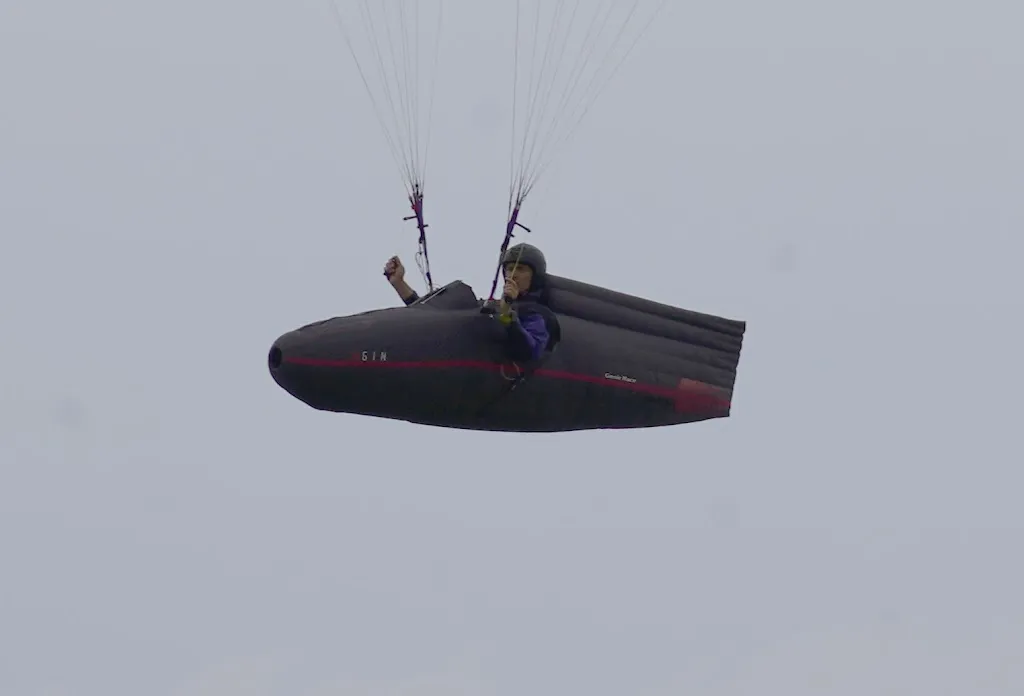
GIN Genie Race 5: How Complete a Competition POD Can Be
The Genie Race 5's worth doesn't come from leading on a single number. It comes from a balance with no gaps. The finish is the best on the market, the shell is stronger than the Submarine's, and the fairing keeps its streamline even when you change posture. Even the postural discomfort a competition POD always used to force on you is gone. That doesn't make it an easy thing to handle. The fixed front strap, the damped roll and the doubled reserve structure on each side are all designed around high-aspect-ratio wings and competition lines. But Bassil adds one sentence: the setup is intuitive enough that a daily XC pilot can fly it without trouble. So the Genie Race 5 isn't a harness locked inside the racetrack. For a pilot at home in a POD, that completeness carries straight over into everyday XC.
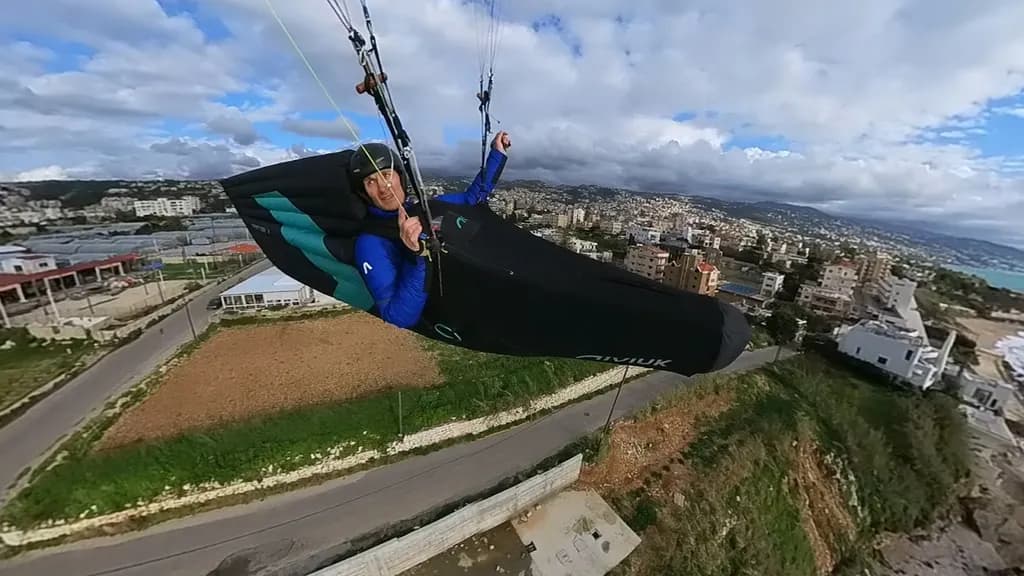
Niviuk Drifter 2 (M): A Competition POD Harness That Feels Like Driving an F1
The Drifter 2 is a harness that refuses to concede behaviour in the fiercely contested aerodynamic-pod class. The evidence is in how little its roll feel differs from the Arrow L, and in how long you can press the speed bar without loading the shoulders. But that comfort and precision come with a condition. Just as the M seat plate left a 3cm gap on each side in the 75kg test, a pod harness only delivers its full performance and sense of security when size and weight line up. So the Drifter 2 is less a harness that's comfortable for anyone than one that hands F1-grade precision back to the advanced pilot who sizes it exactly and drags out long acceleration and glide.
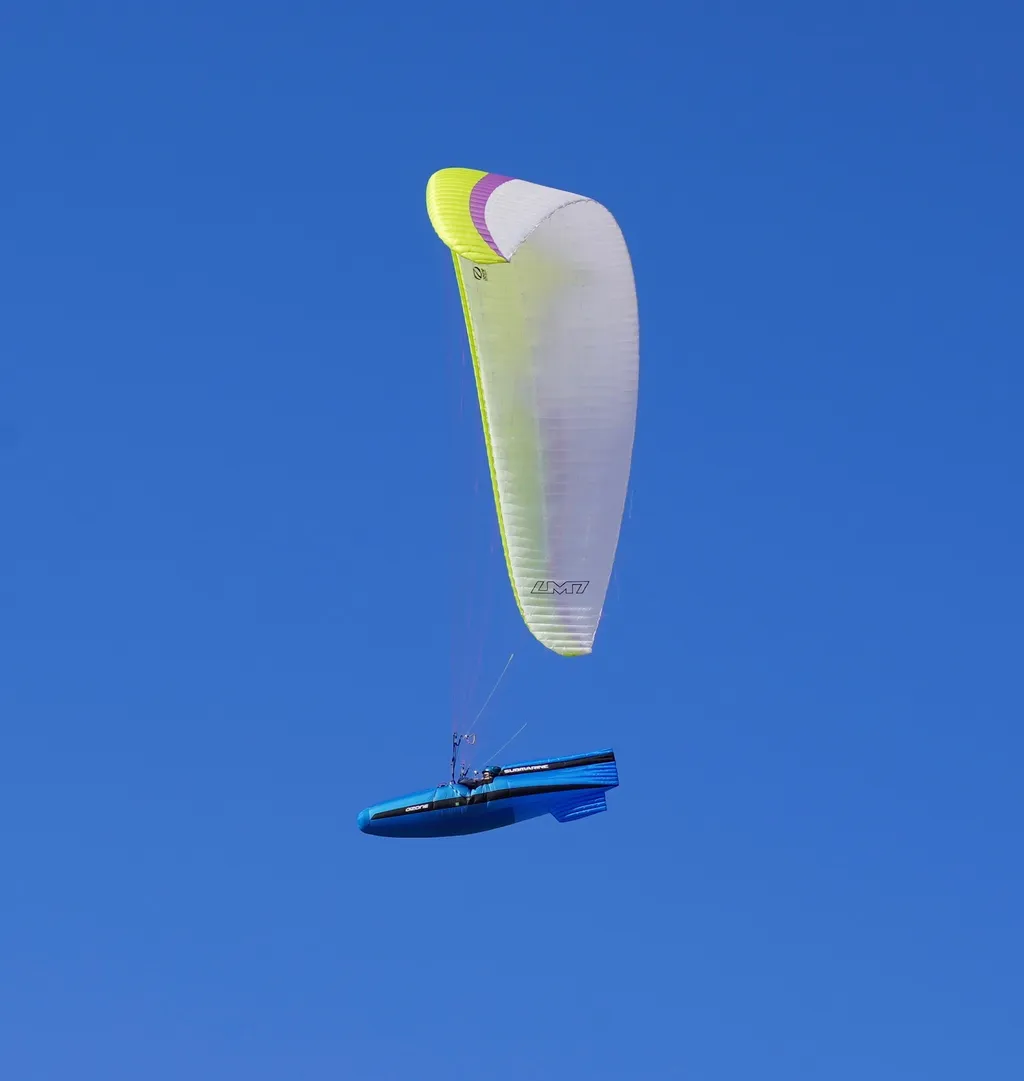
Ozone Submarine (M): A Harness That Shaves Off Drag for a Few Meters of Glide
The measurements are unsentimental. There was no difference at trim glide or over a distance of about 5km; only after flying another 5km above 53 km/h did a very faint advantage emerge. It's a difference an ordinary pilot would struggle to feel. But on the final glide of a competition, things change. Across several glides, the accumulated 5 and 10 meters are what separate one line on the scoreboard from the next. The Submarine is neither a comfortable harness nor a fast one. It's a tool with a sharply defined purpose, one whose tiny margin only turns into a real reward for the pilots fighting over the podium.
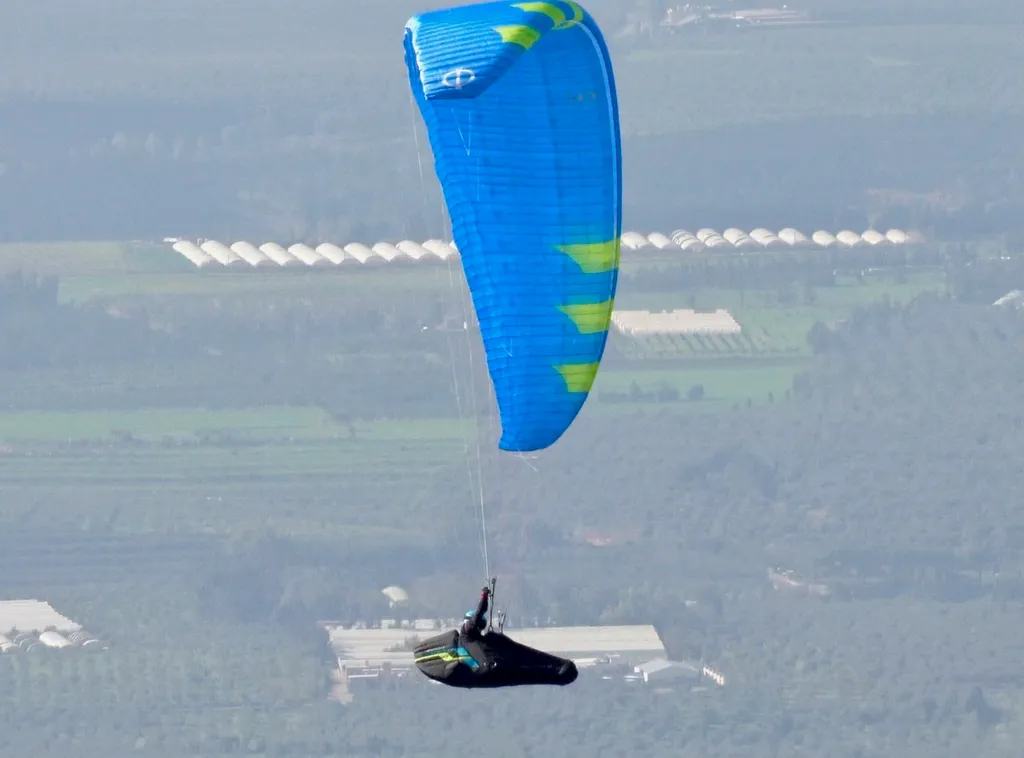
Niviuk Arrow M: A Ferrari Look, a Mercedes Ride
The Arrow's strength is not a figure in any single category but balance. It is neither as sharp as the Genie Light 3 nor as reliant on ABS as the Delight 4, while giving both enough feedback to read the air and a seat that never presses. The top-opening cockpit is a small innovation whose value is obvious at once to any pilot who has wrestled with a zip in winter gloves. That said, this assessment concentrates on the refined ride and the convenience. Items that matter to a buying decision — protection, packed weight — are left out of the review. The Arrow is a harness that hides a surprisingly calm, well-ordered ride behind a flashy exterior. It suits the pilot who wants to feel the air clearly yet stay comfortably aloft all day, rather than the one chasing stimulation.
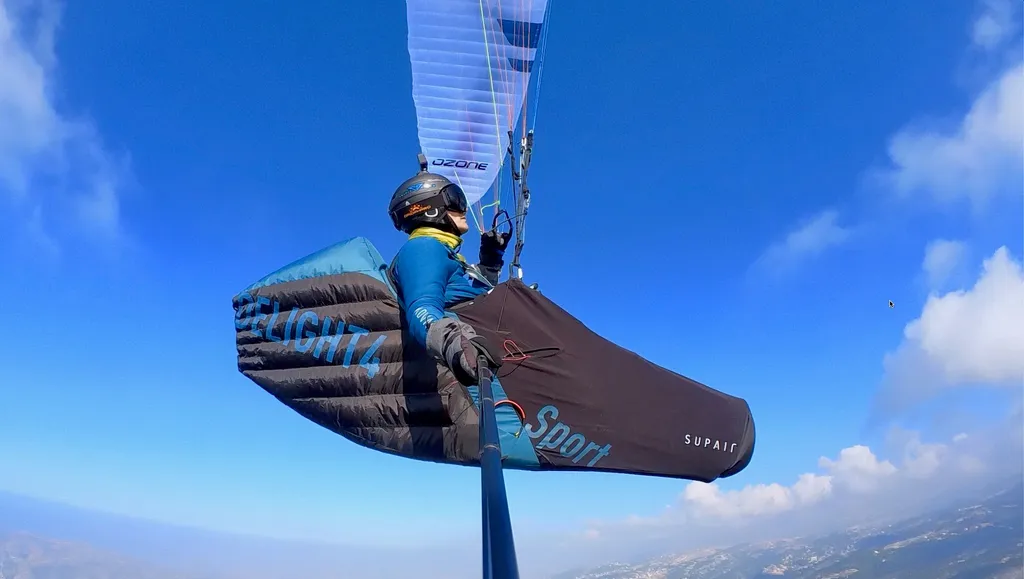
SUPAIR Delight 4 Sport (M): A Travel POD Harness Built Around a Seatboard
The Delight 4 Sport's strengths are clear. At around 4kg, with back protection that folds into two parts, it slips into a travel bag without fuss, and the seatboard plus expanded adjustments keep you comfortable in the seat even in strong air. But that comfort comes with a condition. As much as the ABS steadies you through larger roll, the feedback from small movements isn't as crisp as on a harness like the Genie Light 3. So this harness leans toward the pilot who wants to carry their gear far and fly comfortably seated through rough air, rather than the pilot who wants to read every subtle signal from the canopy through their fingertips. It's a trade — give up a measure of precise feedback, get travel friendliness and strong-air comfort back.
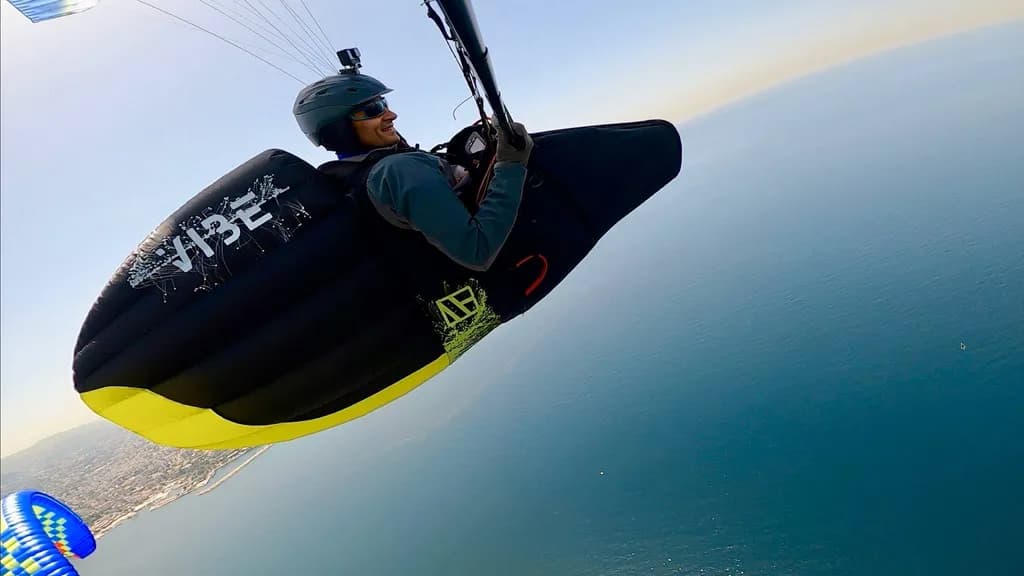
NEARBIRDS Vibe: A Lightweight XC POD Harness That Fits Any Body
The Vibe's strengths are clear. Its five straps per side let it fit any body regardless of shape; release the ABS and you get weight-shift authority to rival the Genie Race 4, cinch it and you get roll stability close to the Delight 3. It's a harness that moves between two personalities on a single setting. But that wide adjustment range also means the setup asks for your attention. The seated feel, too, leans firm and precise rather than sinking you in like the Impress 4 — so it pays off when the pilot tunes it to their own body rather than handing themselves over to rest. NEARBIRDS' first impression is proven not by a weight sheet but by the finish under your fingertips.
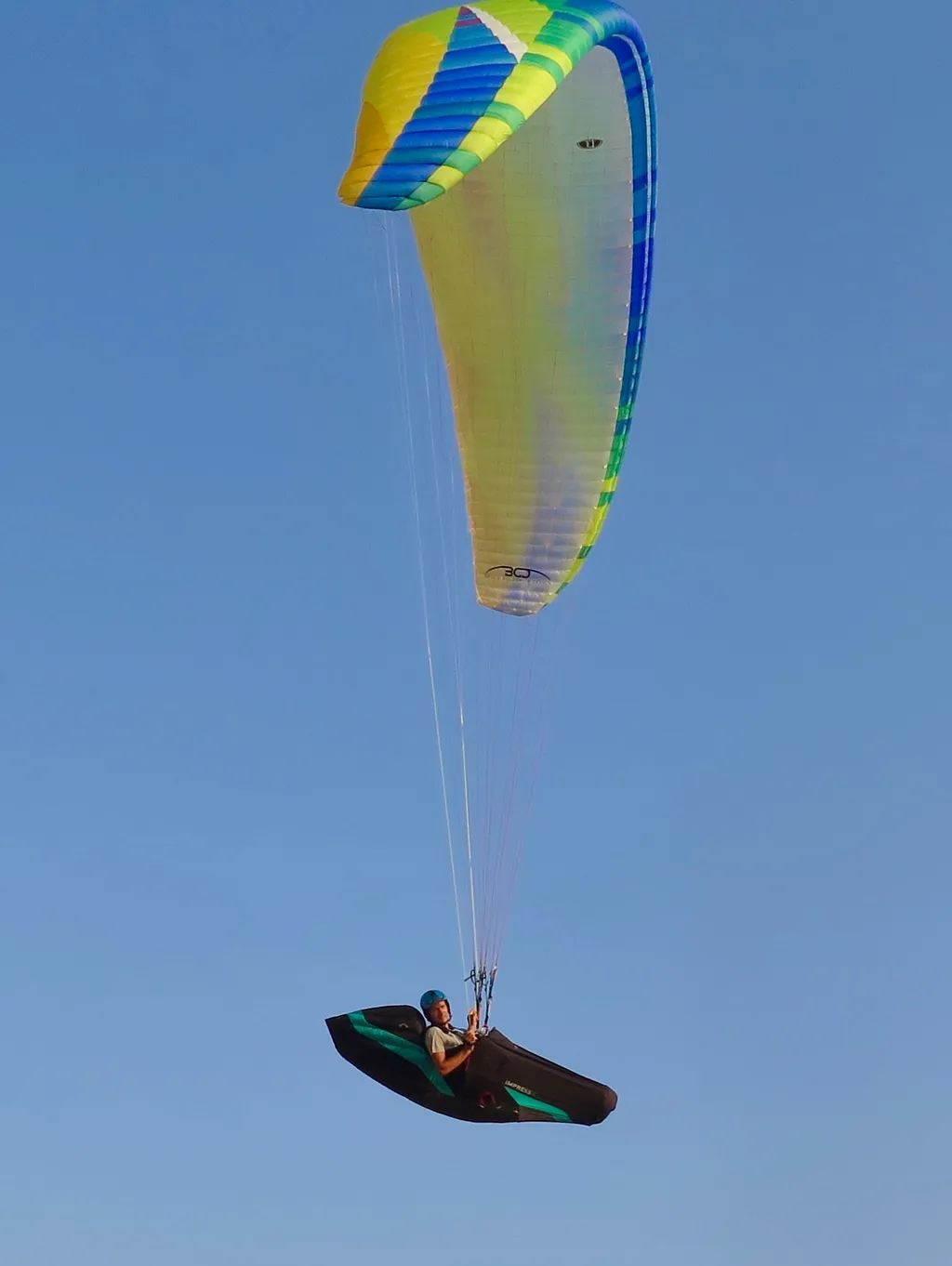
ADVANCE Impress 4 M — A Seat-Board POD That Chooses Comfort Over Edge
What the Impress 4 does well is clear: back comfort rare in a seat-board harness, seamless build quality, and a feel that bridges smoothly between seat-board and seatless. But the compromise has a price. Pilots who want the sharp feedback and counter-steer authority that comes straight off a seat-board's edge may find it a step back from the Impress 2+ or X-Rated 6. So the Impress 4 isn't a keener harness — it's one that leaves the body less worn after a full day in the sky. Instead of sharpening the edge, ADVANCE steered it toward sparing the pilot.
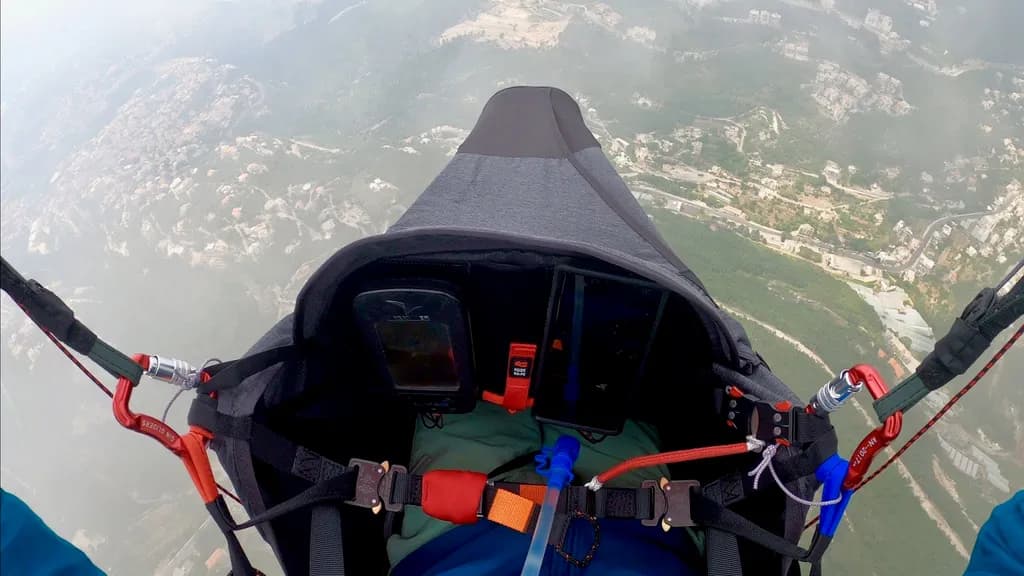
Gin Genie 3 Light M — A Lightweight POD That Brings the Race 2 Back
The appeal of the Genie 3 Light is unmistakable. It's a comfortable, sleek lightweight POD that still delivers the crisp weightshift you'd usually only expect from a competition harness. The way the same wing's turn came visibly alive under it is the proof. But that responsiveness rides entirely on the fit. Bassil, at 181 cm and 75 kg, flew it with ballast to reach 92 kg all-up, and above all he stresses that the size choice is decisive. Loose or off-size, the very weightshift that defines this harness is the first thing to blur. So the Genie 3 Light isn't a harness that stops at comfort. Fitted exactly to the body, it's a harness that lifts the wing's own turning ability with it.
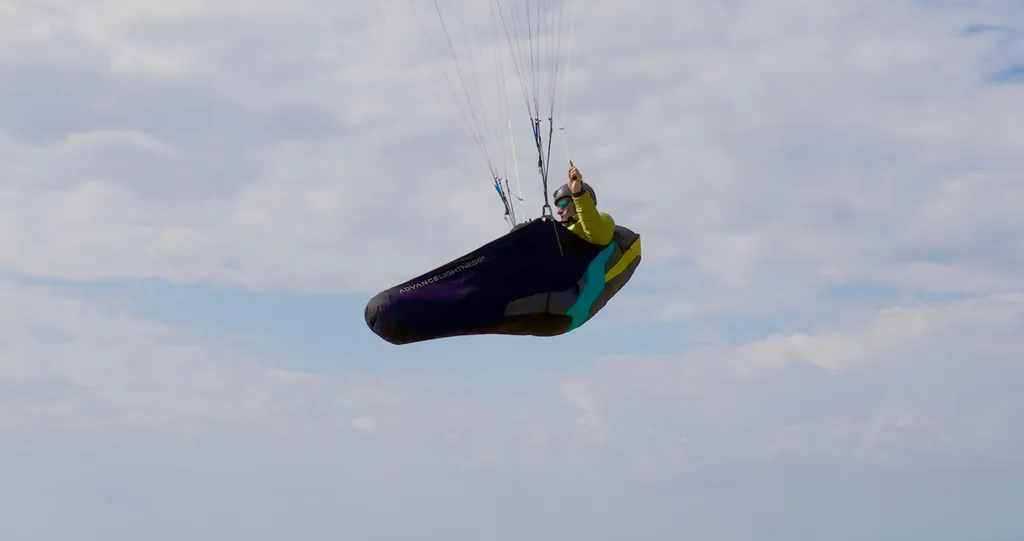
ADVANCE Lightness 3 M — Seatless POD Comfort, With a Character You Set From the Chest Strap
It is seatless, yet your back is comfortable. It is seatless, yet the finish and the attachment points feel solid. The two things that collapse first in light gear are precisely the two things that hold up here. It is not a universal answer, of course. Bassil himself grants that a seated harness is more precise. If your flying demands that you steer the wing to the millimetre, this is not the harness for it. If your flying means sitting for hours, going far, and walking out again afterwards, the calculus changes. This is not a harness you put up with because it is light — it is a light harness with nothing to put up with.
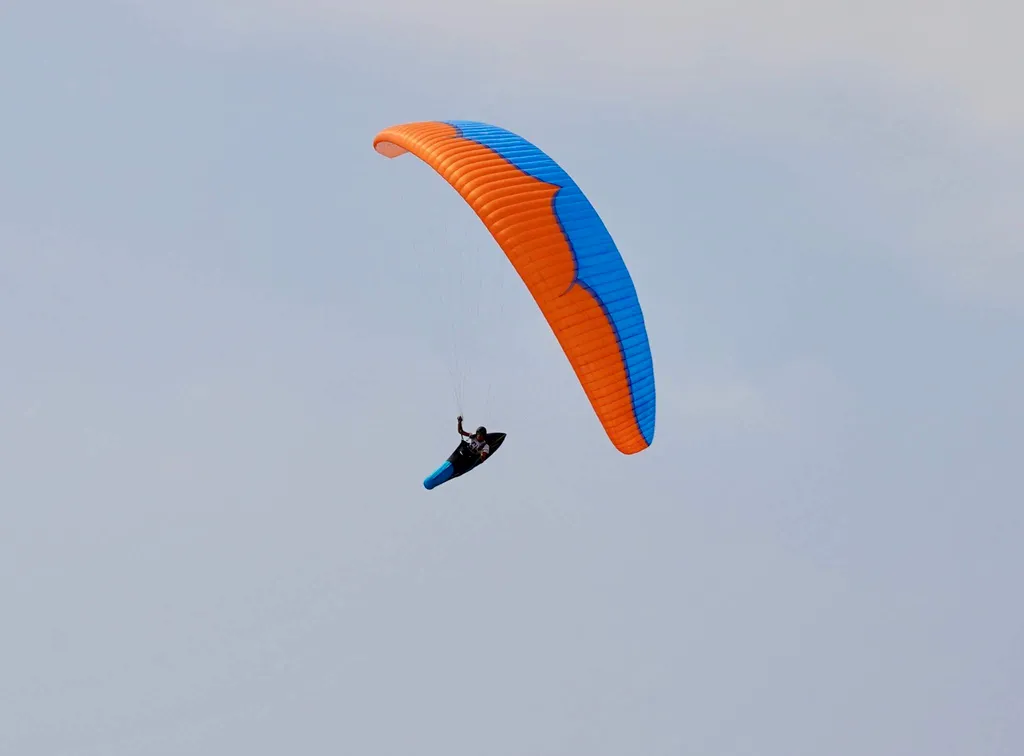
Woody Valley GTO Light — A Light POD That Drops the Seatboard Without Losing Weight Shift
A light POD usually gives something up to save weight. The GTO Light doesn't. Comfort comes close to the Forza and the Lightness 2, and the weight shift is sharper than anything on the Delight side. But sharp weight shift also means the pilot's input lands on the wing exactly as given. For a pilot who stiffens up in rough air, or reacts half a beat late, that clarity comes back as a cost. This isn't a harness that's good because it's easy. It's a harness that lets a pilot who already flies with their body use that skill without losing any of it on the way to the wing.
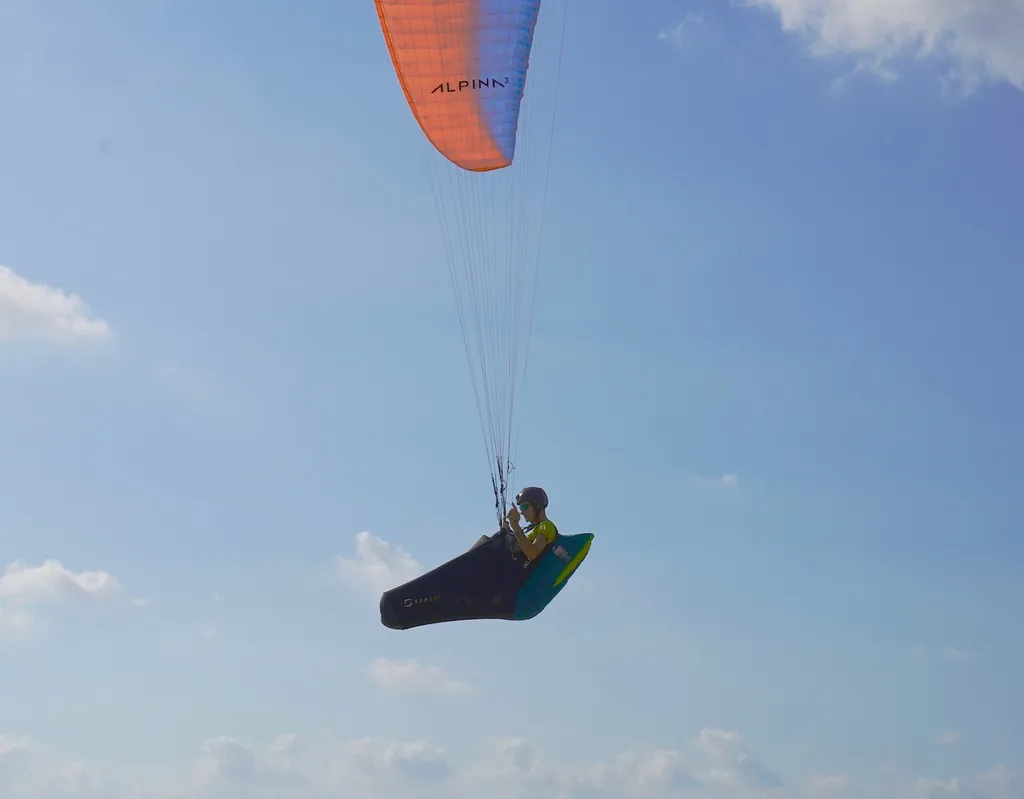
Supair Delight 3 (M) — A Seat-Board POD That Filters the Rough Air for You
What the Delight 3 gives back is not comfort so much as capacity. When turbulence pushes, the harness absorbs the muscle and the concentration you would have spent recovering your posture, and that much is left over for reading the core. The longer the flight in strong air, the more that difference compounds. Under a lively glider it counts for even more. There is something handed over in return. The roll the harness absorbs is also roll the pilot never reads. If you are the sort who chases the faint signals of a weak afternoon thermal through your fingertips, you will find it hard to give up the seatless intimacy of a GTO Light. If you want to feel every grain of the air, the Delight 3 is not the answer. If you want to work for hours in rough air without being thrown around, there are few better tools.
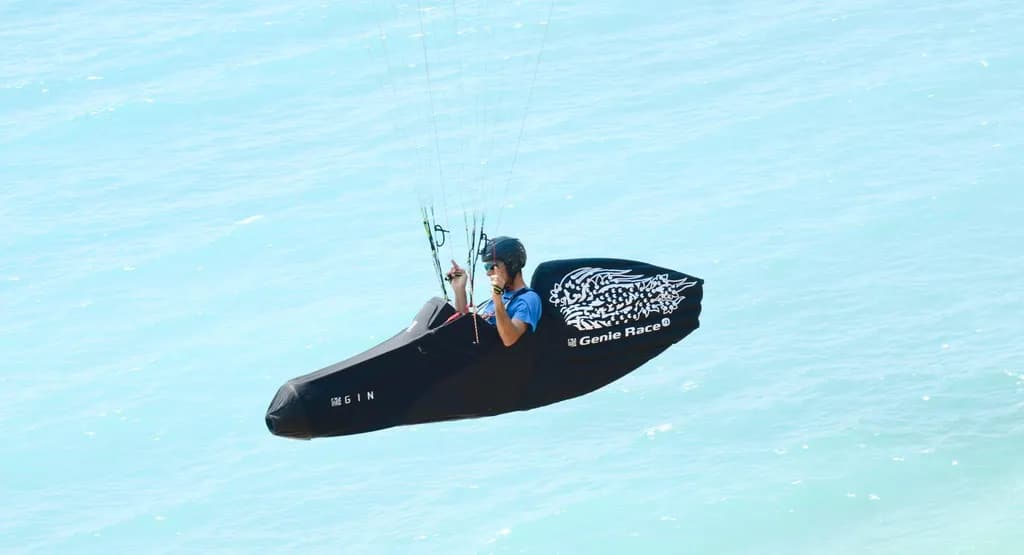
Gin Genie Race 4 (M) — The Lambo of the Sky
The Race 4's strengths are unambiguous. It holds the body firmly without dulling the feedback, and under acceleration it keeps roll down so the glide line stays put. If your flying is decided by long transitions, that is not a matter of taste. There is a price, of course. You carry 9kg, and if you want the pleasure of the turn, the X-rated 6 is more fun. The Race 4 is not for pilots who look for entertainment in a harness. It is for pilots who want the harness to quietly stay where it belongs.
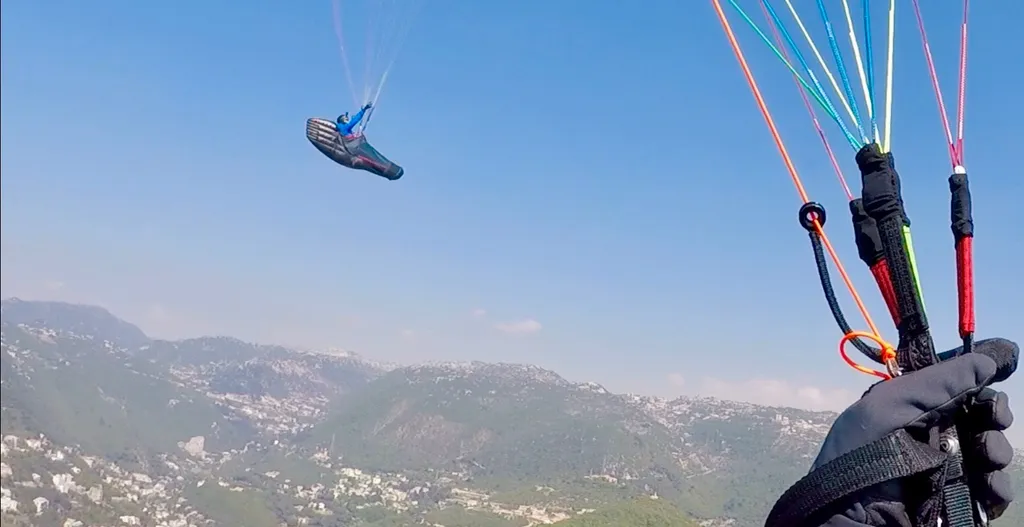
Skywalk X-Alps 2 (M) — The Lightest, and Also the Most Comfortable POD Harness
When we shop for a light harness, we start by counting what we're about to give up. The X-Alps 2 scrambles that arithmetic. Bassil switched out of the Forza on the same day, with the Forza as his benchmark — and the back support and seating position went past it. The feedback in turbulence points the same way: instead of manufacturing calm by muting the signal, it passes along only the signal that matters, without delay. That lightness, though, comes out of thin fabric. This is not the harness you throw onto a stony take-off and a thorn-bush landing every day. Bassil himself wanted a heavier 3kg version — which tells you this comfort is built on the assumption of careful hands. It's a harness that proved you don't have to surrender comfort to go light. The bill simply arrives as durability, and the pilot pays it.
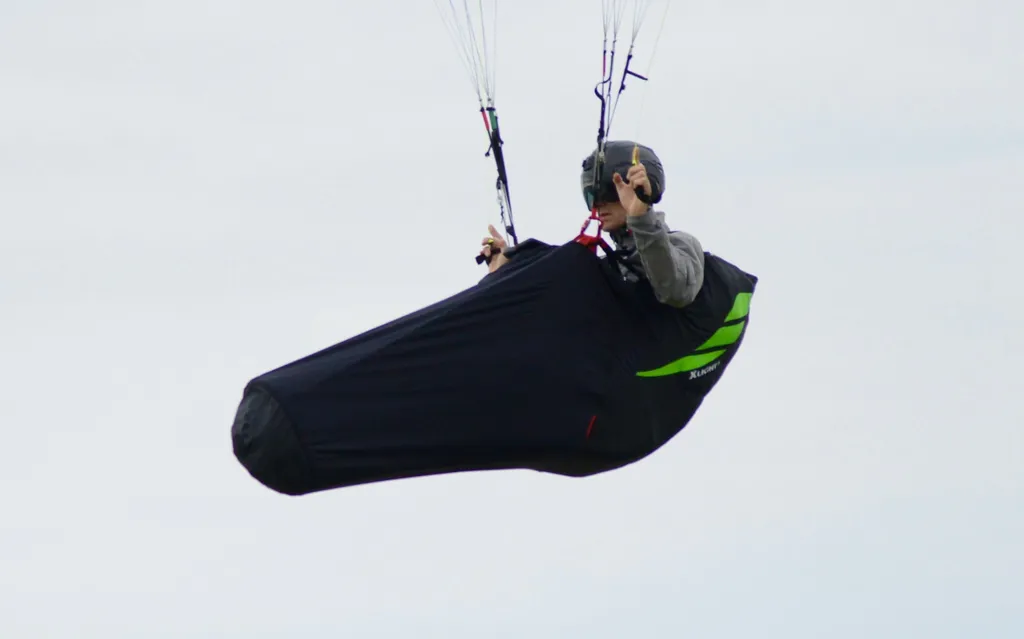
SOL X-Light 2 — A 4kg Lightweight POD That Isn't Finished Until You Cut the Seat-Board
At 4kg, with ballast and ABS still on board, this is the most complete harness SOL has built to date. The turn is precise, and roll stability beats both the Lightness 2 and the Impress 3. But Bassil only flew it happily after he cut the seat-board down to 34cm wide and added a 1cm pad. Even after that work, back comfort still sits a notch behind the Forza. This is not a harness you buy and fly as it comes. If you are willing to take a blade to the seat-board and fit it to your own body, what's left is a rare combination — 4kg with a full XC spec. Skip that work and what's left is an over-wide seat-board and a backrest that sags a little. It isn't a harness you buy comfort from; it's one that repays the pilot willing to tune it to himself.
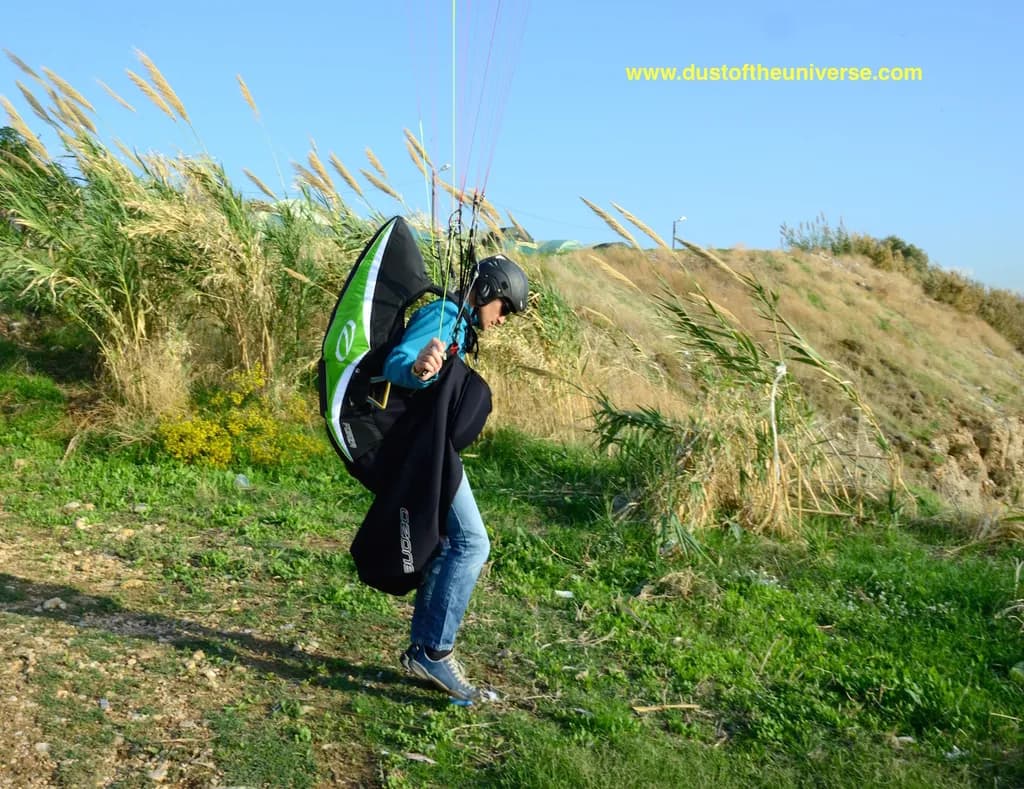
OZONE Forza — Comfort and Clear Feedback in One Seatless XC Pod
In a POD harness, comfort and precise feedback usually trade off against each other. Wrap the legs in comfort and the canopy's movements go dull; sharpen the response and you have to cinch the body down. The Forza splits the difference. It hands over sofa-like comfort without a seatboard, while relaying the canopy's signals even more clearly than the Impress 3 does. It weighs a step more than its lighter sibling, and the turn doesn't lock in quite like a seatboard harness — but in return you get a fully realized feature set and feedback you can trust.
XC Tracer — A Tiny Vario That Holds Its Accuracy
This review is short. Bassil's own impression runs to a few sentences, with the rest carried by his electronics-savvy friend Rony's real-world experience. And yet everything you need to judge a vario is here: how immediately the sound responds in a climb, how closely the tracks match another device, and whether it holds up through drops and squeezing. The XC-Tracer doesn't win on flashy features. It packs accurate response and solid durability into a small, light body, quietly earning its keep whether it's your main hike-and-fly instrument or a backup in an established cockpit.