EN-D
High performance
Reviews of EN-D class gliders.
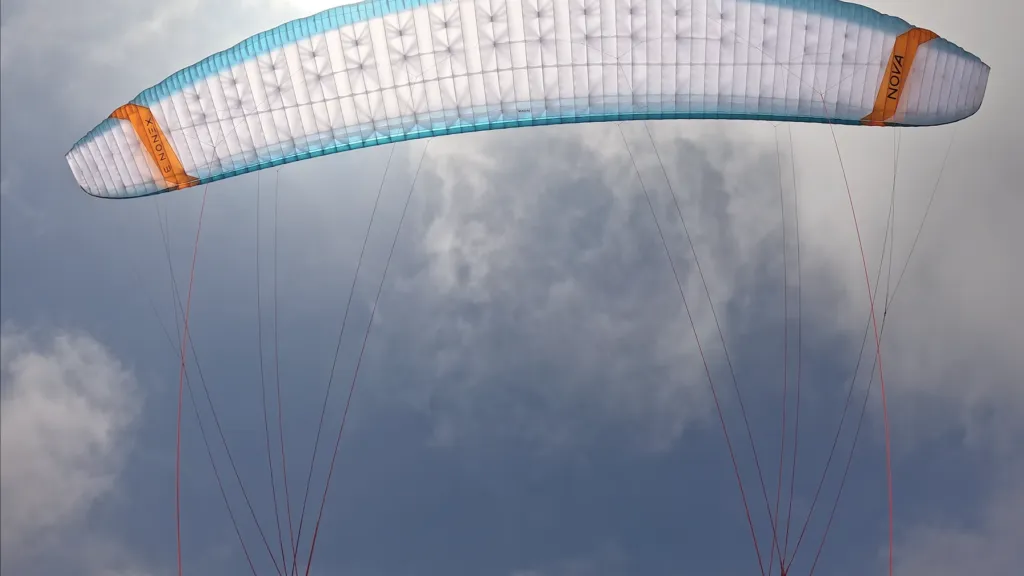
NOVA Xenon 3 S — A Racing Machine in Light EN-D Clothing
The Xenon 3 S comes into sharpest focus inside strong lift. A climb that springs upward as if a coil were released, and a glide that forces the class table to be rewritten — the moment those two overlap, the wing crosses over from light XC tool to racing machine. That performance, though, isn't handed to you for free. The quick responsiveness is a double edge that amplifies the pilot's input as-is, so the potential only opens up if you have the hands to drag the wing along with brake and weight. The Xenon 3 S is a wing for the D pilot who has reached the stage where it's piloting skill, not equipment, that decides the result.
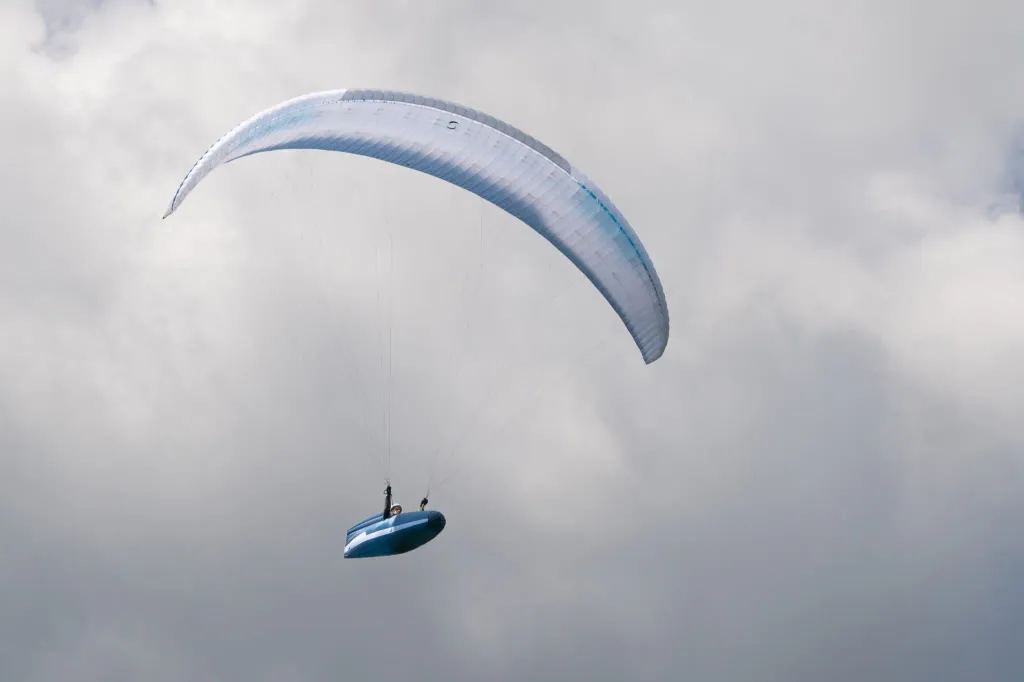
Supair Wild 2 — A Racing Heart with a Balanced Touch
This is an uncommon canopy of balance — top-of-the-D glide that still holds on to the feel in weak lift right to the end. That it sacrificed neither performance nor handling for the other is the one line that explains the Wild 2. But this balance isn't open to everyone. Only experienced pilots who can read a two-liner's behaviour and refine it at the fingertips will enjoy both the racing heart and the balanced touch at once. To those pilots, the Wild 2 is the glider that pays back most honestly.
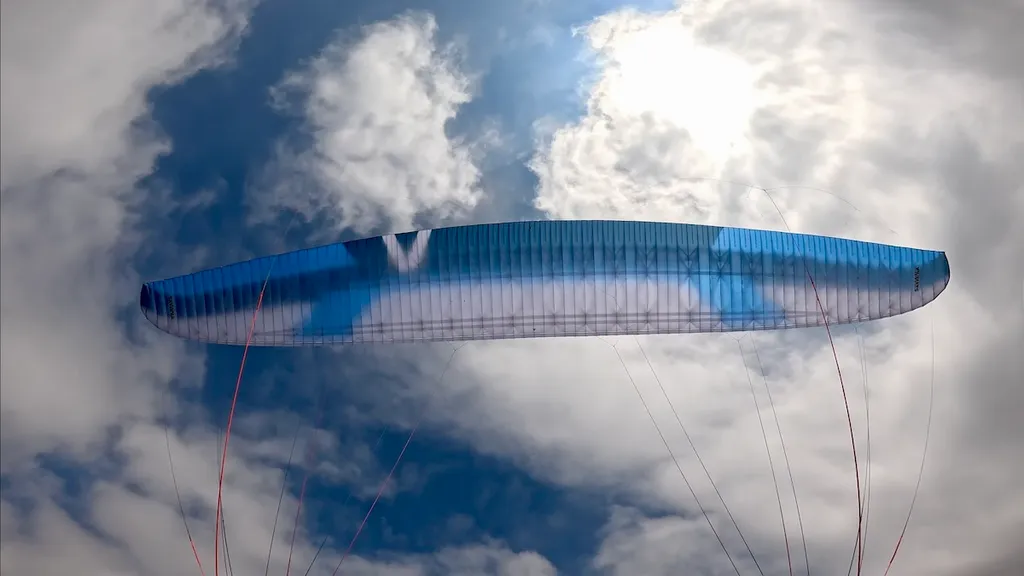
Skywalk Poison 4 — Peak 6 Glide, With a Gentler Touch
A two-liner that flies like the Peak 6 yet asks for less hand than the Zeno 2. That is a rare combination. Remember just one thing: this glide and this climb only wake up when the wing is loaded well. For a pilot who can fill the all-up to the top, the Poison 4 lets you handle top-end performance with a far easier mind.
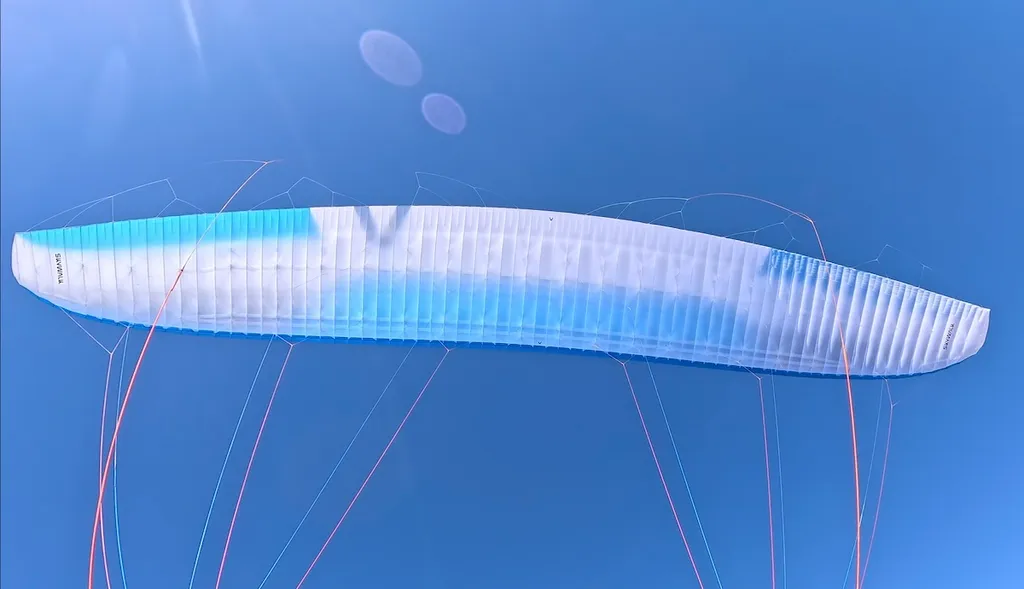
Skywalk X-Alps 6 (95): An Approachable Lightweight Two-Liner D
The X-Alps 6's strengths are clear. It has few sudden movements, and from launch through acceleration it never puts the pilot on edge. For a C-class pilot setting foot in the two-liner world for the first time, a wing this manageable is rare. Still, "approachable" does not mean "go ahead and rush." The pilot who reads this wing's behaviour and banks the flights — rather than climbing the grades quickly — is the one who ultimately flies farther. The X-Alps 6 is a glider that lowers the threshold into the D class; it is not a glider that fills in the skill you're still missing.
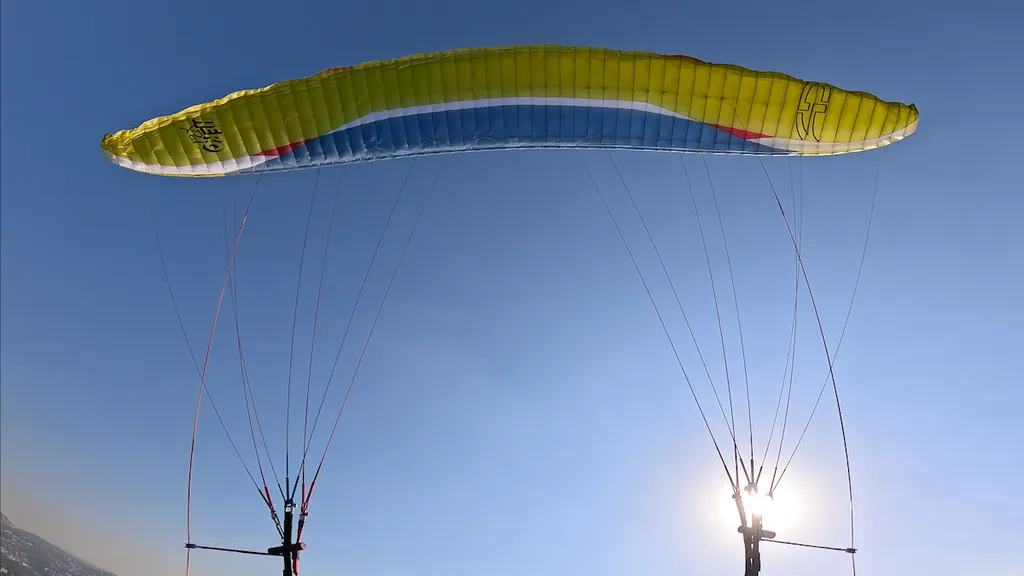
AirDesign X-Ped XS — A Lightweight Hike-and-Fly Two-Liner That Plays Like a Swallow
The X-Ped XS's strengths are unmistakable: the immediate feel of a light canopy in the hands, and the nimble turn that bites into a thermal core. What it is not is a glider that builds distance through glide. The responsiveness and portability won by lowering the aspect ratio are, by the same measure, efficiency given up. So the X-Ped XS belongs less to the pilot who wants to go far, and more to the experienced pilot who wants to walk to the summit, float the wing up lightly, and play with the air like a swallow. For the person buying feel rather than distance, this wing is the exact answer.
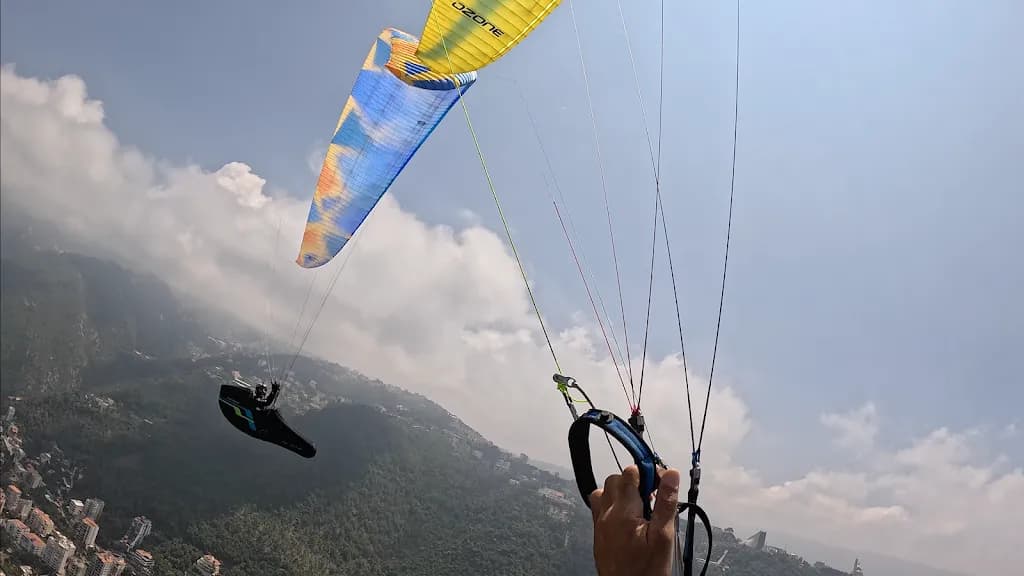
BGD DIVA 2-S: BGD's First EN-D Two-Liner
The appeal of the DIVA 2-S is that it carries the performance of a top-tier two-liner while damping the amount of that performance that reaches the pilot as stimulus. Seen from outside the canopy ripples in turbulence, but the pilot below doesn't feel it to the same degree, and even when you pitch forward in strong turbulence the brakes keep the canopy pinned overhead. Don't mistake that smoothness for the comfort of a C glider. In inversions and tricky air, the glide and acceleration advantage this wing shows is beyond any EN-C, and pulling that performance all the way out still takes a D pilot's hands. This isn't an easy-to-handle D so much as a D that trades dialled-down behaviour for less workload, while the real performance still has to be opened by the pilot's own skill.
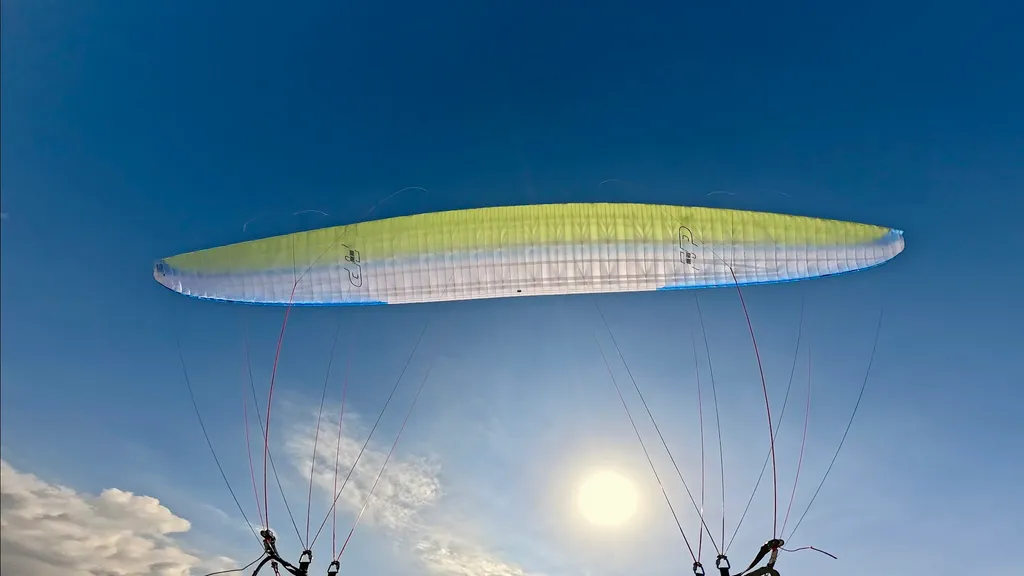
UP Meru 2 SM — A Two-Liner D That Stands Shoulder to Shoulder With the Zeno 2
The value of the Meru 2 lives in a single line: its glide matched the Zeno 2 at trim and on bar alike. Holding altitude at the very top of the field translates directly into a weapon for both XC and competition. It carries the underfoot comfort straight over from its predecessor, while sharpening the handling into something snappier. This efficiency comes with a clear condition attached. In strong air it demands roughly 35% more active piloting than C-class two-liners like the Artik/R or the Trango-X, and that nimble turn only comes alive once the wing loading is high enough. In the end the Meru 2 is not a wing that carries you far while you sit still. It is a wing that hands Zeno 2–level glide back to the pilot who keeps working the controls and driving it hard under load.
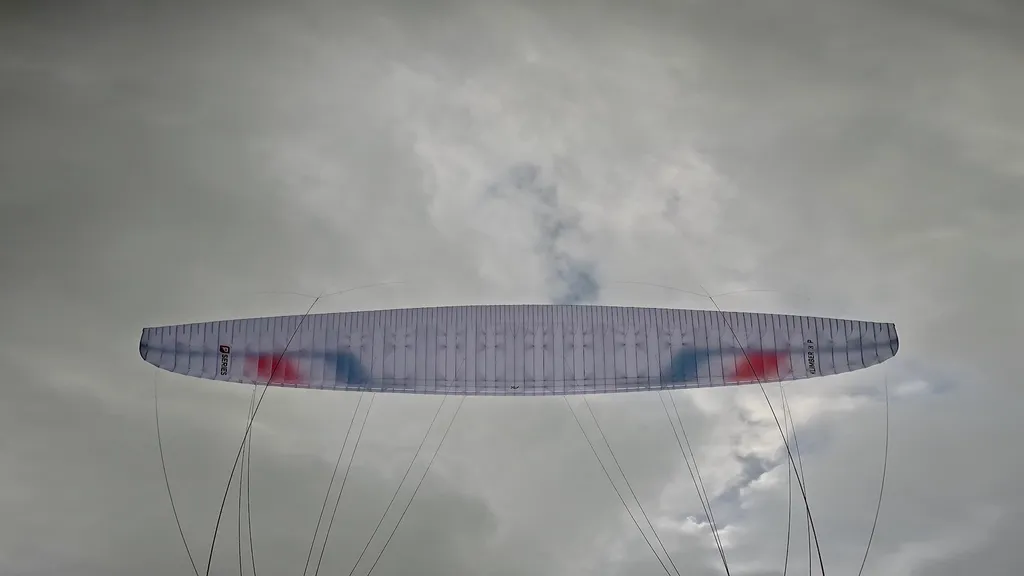
Niviuk Klimber 3 P (size 21): An Easy-Handling Lightweight Two-Liner EN-D
The Klimber 3 P's strengths are clear. It packs the performance of a 7:1 two-liner EN-D into a package under 7.5kg, while making launch and handling noticeably easier than the class average. But it would be a mistake to read "easy" as an absolute. Bassil calls it a relatively easy-to-handle two-liner D within its class, yet he draws a firm line: it still demands distinctly more active piloting than a two-liner C. So this wing's place is not as an entry-level D. It is the wing a pilot already prepared to fly a D reaches for when they want to cut weight. The price is giving up the best glide, à la Artik R — and the reward, returned on every flight, is the feel in the hands and the ease of handling.
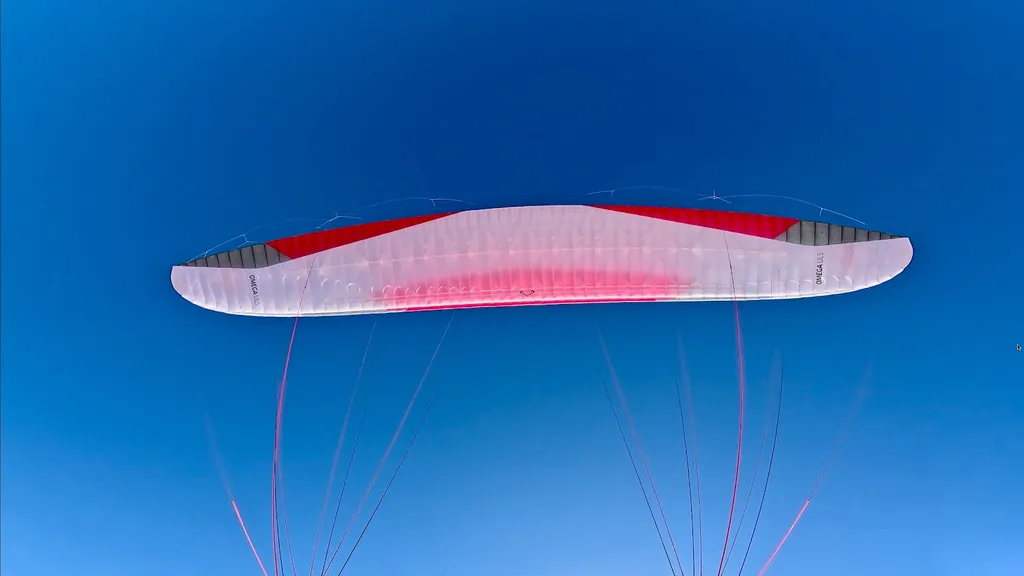
Advance Omega ULS 23 — An EN-D Where Light Weight Doesn't Cost Performance
The virtue of the Omega ULS is that it kept its glide while shedding weight. It packs a tightly winding turn and a glide that matches a class above into a light package — an irresistible combination for a pilot who has hiked to the summit. But this is an aspect-ratio 6.8 EN-D. That freedom to place the canopy wherever you want in rough air presumes hands that can deliver precise input and the experience to fly an EN-D. It is not an easy wing because it is light; it is a wing that pays back, honestly, the experienced pilot who refuses to lose D-class performance just to save weight.
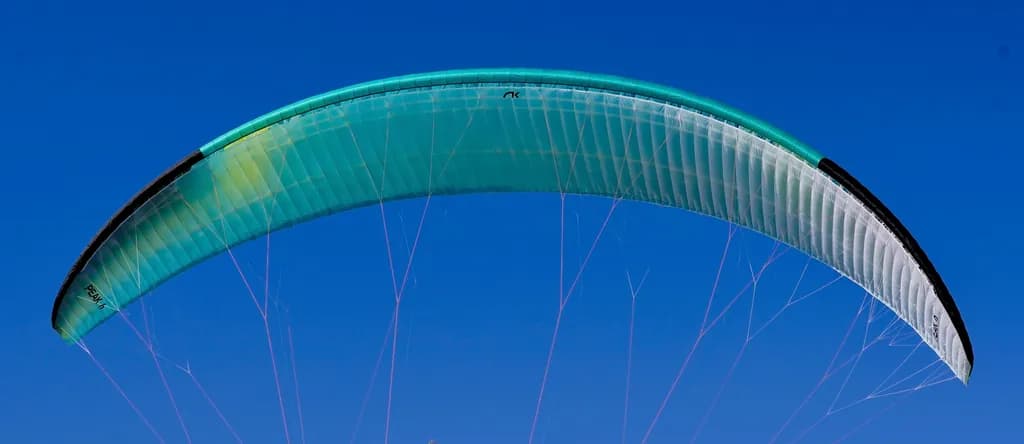
Niviuk Peak 6 (22): An EN-D Two-Liner Rewritten Around Comfort
The Peak 6's strength is clear. It is a D-class two-liner that sheds the weight of energy management, so it keeps the pilot less tense when going wing-to-wing on glide and climb against the same-aspect-ratio Zeno 2. The shorter brake travel and the cohesion in rough air are what hold that comfort up. But comfortable does not mean a beginner's wing. The pilot Bassil has in mind is one who has put in two seasons in strong air and is moving up from the Artik 6. The Peak 6 is not a wing that lowers the D-class threshold — it is a wing tuned so the pilot who has already crossed that threshold can fly farther with less fatigue.
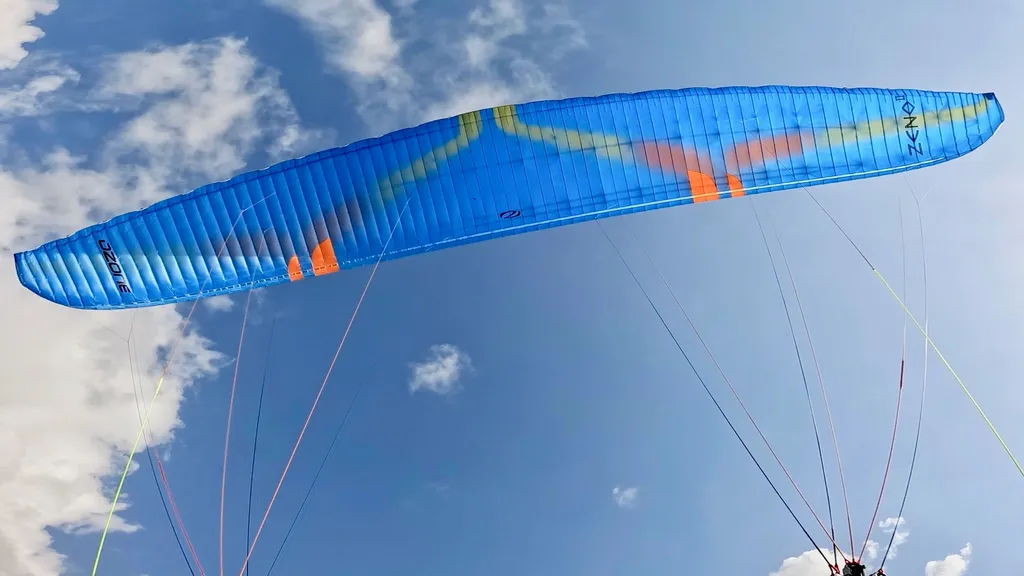
Ozone Zeno 2 MS — A Two-Liner That Swallows the Air Like a Hungry Grasshopper
The Zeno 2's strength is that it wraps competition-grade glide and forward drive in behaviour smooth enough for a pilot who has just stepped up from a three-liner to master. Being able to hold 80% of the wing with B-steering even on the half-bar isn't merely a convenience — it's the mechanism that lets you fly a fast wing fast, safely. That accessibility doesn't make it tame, though. This is still an EN-D two-liner, and the stage where its glide advantage pays you back is still competition and long-distance XC. The Zeno 2 isn't a wing that lowers the height of entry so much as one that already speaks the language of two-liners — and the further you go, the more it gives back.
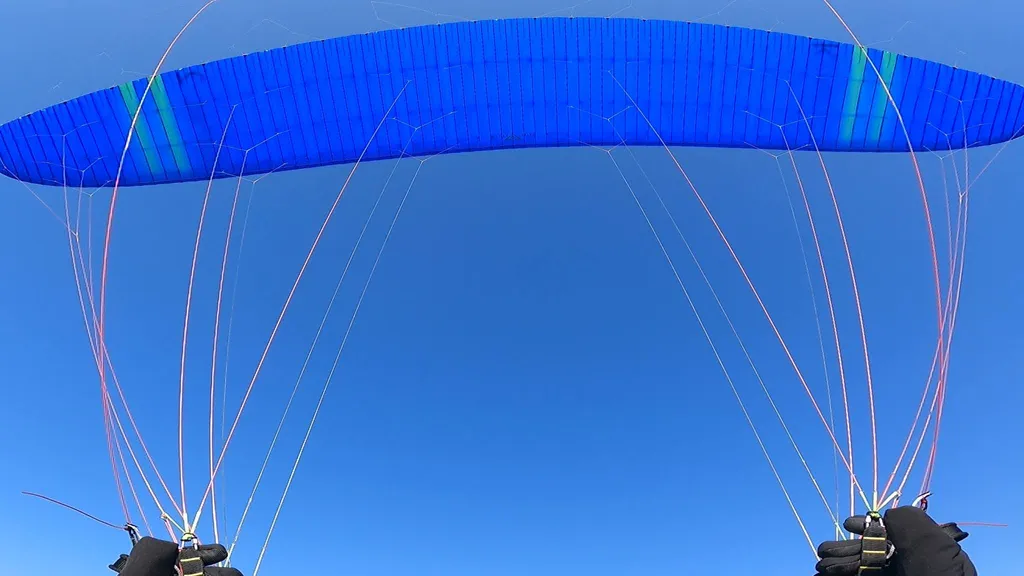
Triple Seven King 2 MS — A 3-Line EN-D Built for Big Air and XC
The King 2's strengths sharpen as conditions build. The fast trim and the compact handling typical of a 3-liner absorb strong, rough air with a surprising steadiness, and that performance visibly closes the gap to the 2-line Zeno. Bassil places its active-control demand above the M7, below the Peak 5, and probably a shade below the Zeno too. Turn it around into light, settled air and those advantages fade. The same-class Mantra 7 actually climbs better, and nil-wind launches take real effort. The King 2 isn't the easygoing EN-D anyone can enjoy — it's a wing that pays off for the pilot who meets rough conditions and knows how to work them to the end.
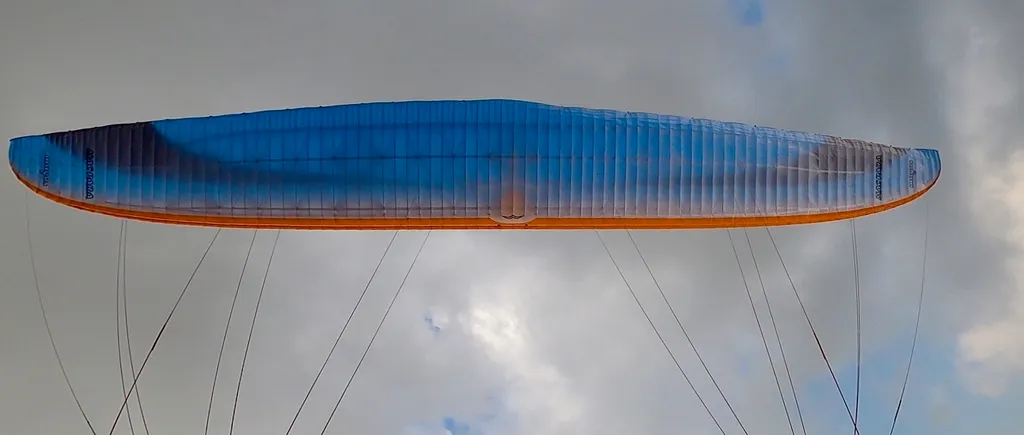
MacPara Magus: Top-Tier Two-Liner Glide, MacPara's Ferrari
The Magus's strengths are clear. Brake response sits at the top of the two-liner field, glide is top tier, and the climb is level with the Peak 5. All three axes meet the standard of the highest class exactly. But this performance comes with conditions. Nil-wind launches are demanding, there are moments in turbulence when the tips tuck slightly, and above all it remains a two-liner that asks for respect and pilot know-how. The Magus is not a relaxed XC wing to enjoy. For the pilot who has a two-liner in hand, it gives back exactly as much glide as their skill deserves.
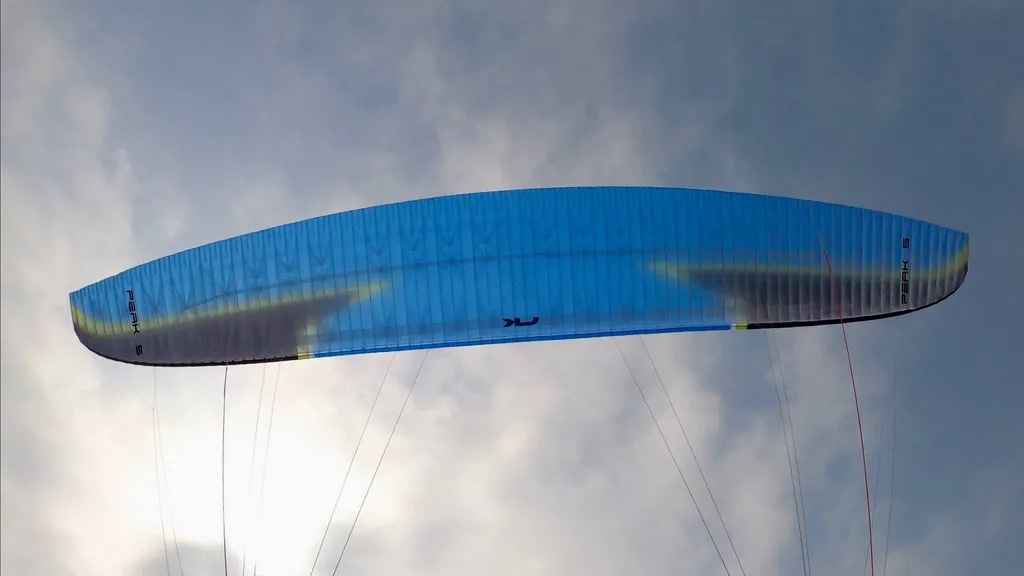
Niviuk Peak 5 (22): An EN-D Race Machine for the Committed Pilot
The Peak 5's performance is beyond question: the best-in-class glide among current Ds, a climb that surges out of the core, and an overall performance Bassil places right beside his own Boom 11. It's already ahead of the competing Ds at trim, and full bar reaches 60km/h. The catch is that the performance comes with a condition attached. Bassil makes it clear that the Peak 5 demands a level above the Peak 4. The light B-lines pass their information faintly, and the wing only opens up for those who can read the signal. The Peak 5 is not headed the same way as the Peak 4 and 6, which lowered the D-class threshold. The golden key belongs to the pilot who has already crossed that threshold — wholehearted and fully committed.
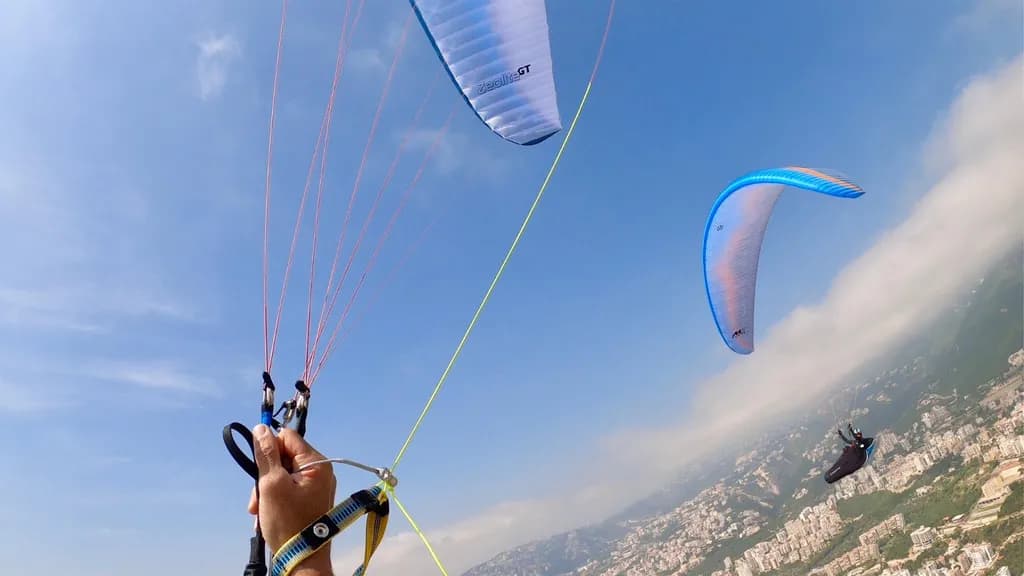
Ozone Zeolite GT MS — A Lightweight Two-Liner Dancing the Samba Between the M7 and the Zeno
The strengths are clear. Inside that 3.5kg of lightness it packs a climb and glide that sit between the M7 and the Zeno, and adds the B-riser steering that most two-liners can't offer. But this performance is bought by giving up quietness. The Zeolite GT talks to you constantly in turbulence — it won't damp that movement for you. Bassil's observation that the heavier Zeno is actually the less chatty of the two sums the character up in a single line. So this wing earns its keep not in the hands of a pilot chasing a quiet D, but in the hands of an experienced pilot who can answer ceaseless feedback with precision.
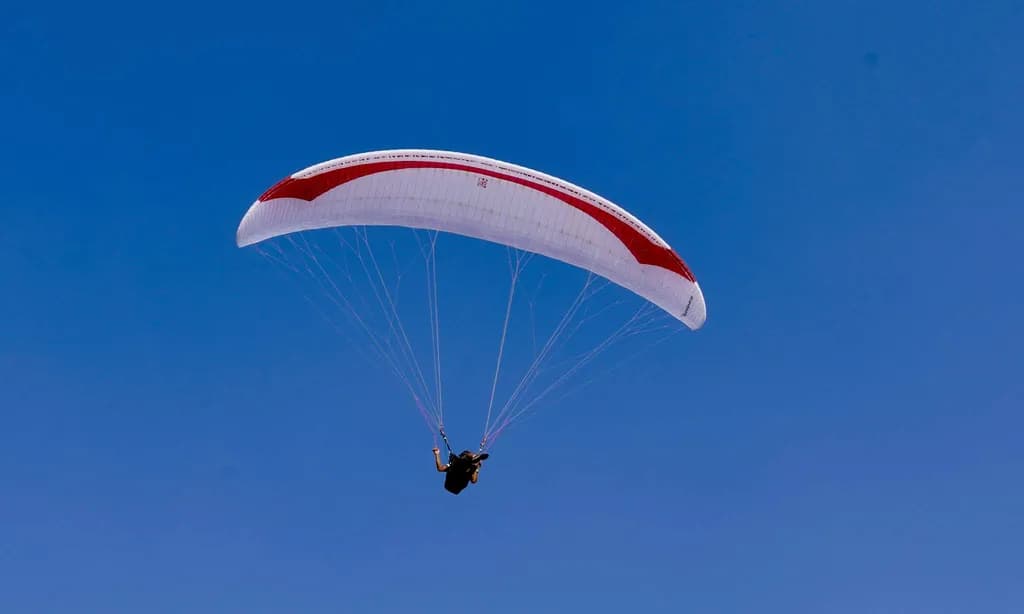
GIN Leopard — A High-Aspect EN-D Two-Liner You Can Actually Control
The Leopard's strengths are clear. Its excellent brake authority makes an aspect-ratio-7.12 two-liner manageable at your fingertips, and a homogeneous, taut feel carries all the way through the glide. But it would be a mistake to read that accessibility as "easy." The very smallest thermals demand active input to keep the leading edge alive, in pure glide it falls slightly behind the Zeno S, and above all it presumes the D-class ability to read strong air. So this isn't a wing that made high-aspect easy — it's one that gives high-aspect performance back to a pilot who knows how to fly, in a controllable form.
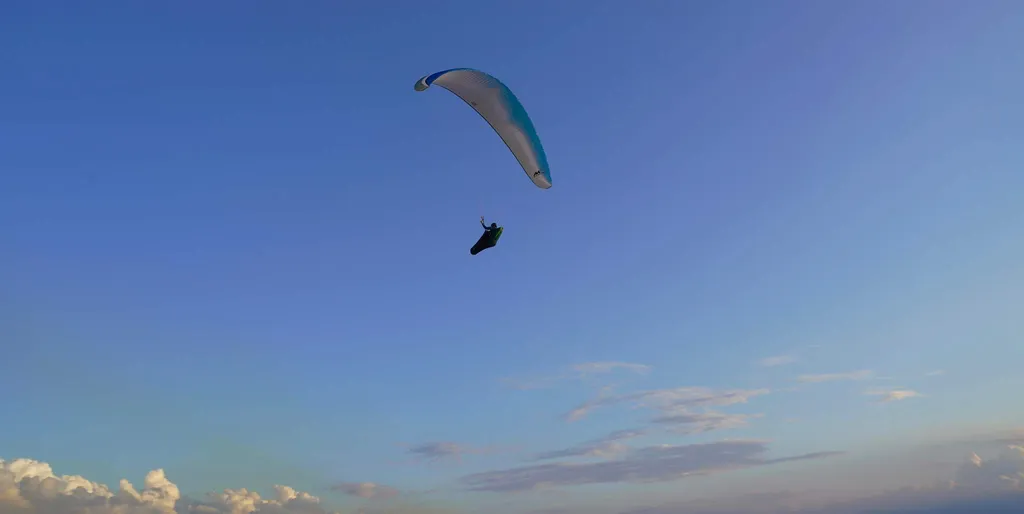
Ozone Mantra 7 SM — The EN-D That Gets Closest to the Zeno
The strengths are unambiguous. It floats in light air even when loaded heavily, and its glide reaches the Zeno's doorstep. But do not translate "comfortable" into "easy." Bassil's comfort refers to smooth air; in turbulence this is still a D that demands active input. The descent options are not generous either. Small big ears want to reopen on their own, and the B-lines give barely 20cm even under a hard pull, which makes them a poor card to play for a rapid descent. In the end it is a trade. You accept an ordinary 13km/h over trim in exchange for the glide angle you get at that speed. For a pilot who keeps the bar pressed and cuts into headwind, that is a good bargain; for a pilot who wants the top-speed number on the instrument, it is not.
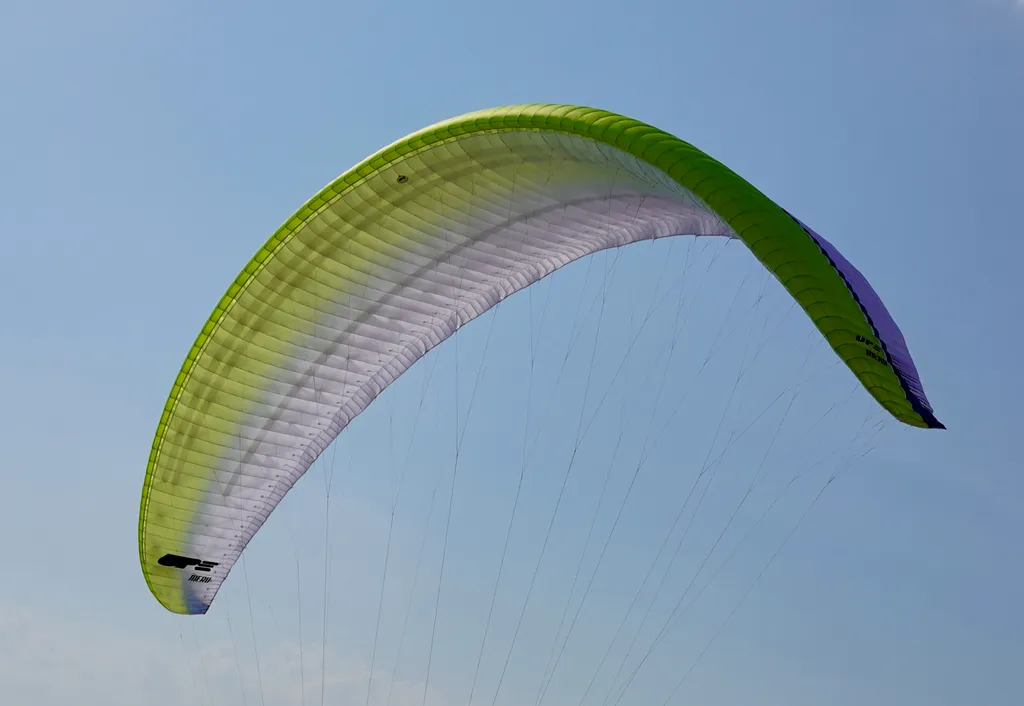
UP Meru SM — The Bridge to Your First Two-Liner
The strength of the Meru SM is that it packages two-liner performance inside a predictability close to that of a three-liner. Launch is done with the inner A's alone, the brakes are linear, and it doesn't pitch back entering strong thermals. The glide stays level with the Zeno SM. Most of what a pilot moving up fears has been taken off the table. One thing has not. Big ears effectively don't work. That means when you need to dump altitude in a hurry, your options narrow to a single one — the 360 — and it's a demand that you plan the flight, and the way out of it, in advance. This is a wing that advances your performance while leaving the responsibility exactly where it was: with the pilot.
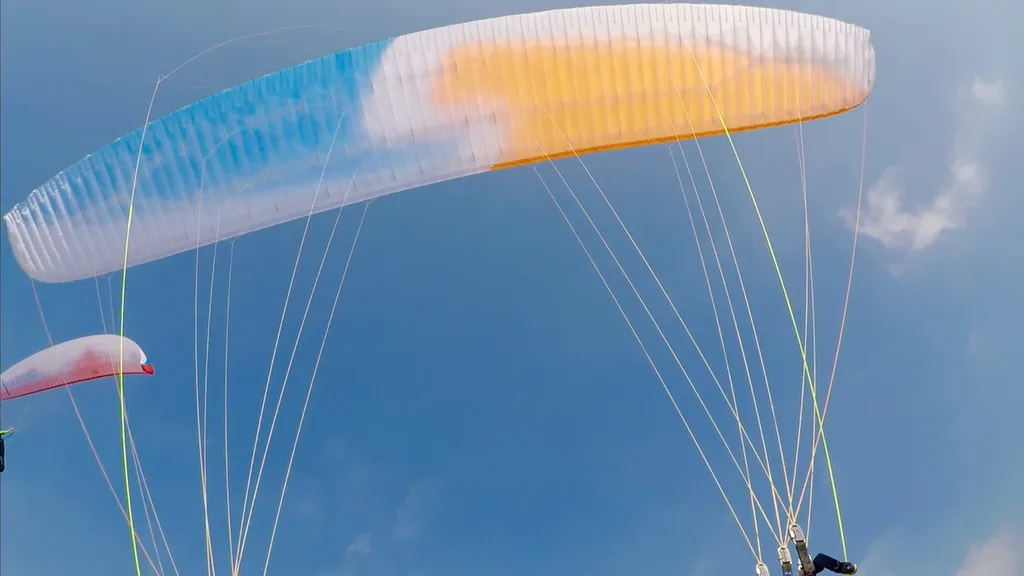
SKY Aeon M — The EN-D That Wins on Comfort
The strengths are unambiguous. It glides alongside the LM6, climbs a little better, and in rough air on bar it actually floats further. For a pilot looking for a comfortable D, few answers land this cleanly. The trouble begins the moment comfort is read as a lower demand. Shallow brake feedback means the warning arrives late, and in strong air the Aeon still asks for accurate flying. That is exactly where Bassil concludes its EN-D certification is justified. The controls have gone quiet — but the reading the pilot has to do for himself has not gone anywhere.
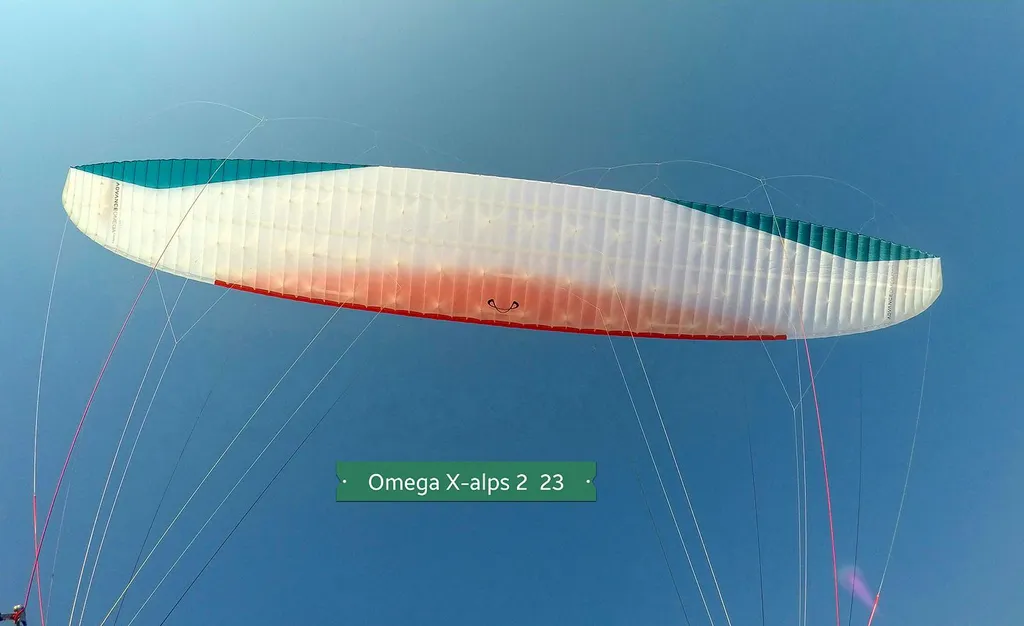
ADVANCE Omega X-Alps 2 (23) — A Wing That Earns Its Keep in Strong Air, Not Weak
The climb in strong thermals and the trim glide are real strengths. Thanks to the C handles, the pilot still has cards to play when the air roughens. The problem is the other side of the ledger. The skill this wing demands rises clearly above the Sigma 10, while the performance it returns does not rise by the same amount. This is not a wing you buy for performance — it's a wing you buy for weight and for the walk up. Expect it to hold you up in weak lift the way an LM6 or a Sigma 10 does, and you'll be disappointed. But if you're the pilot who can push into living air on your own terms, it earns the climb up the mountain with it on your back.
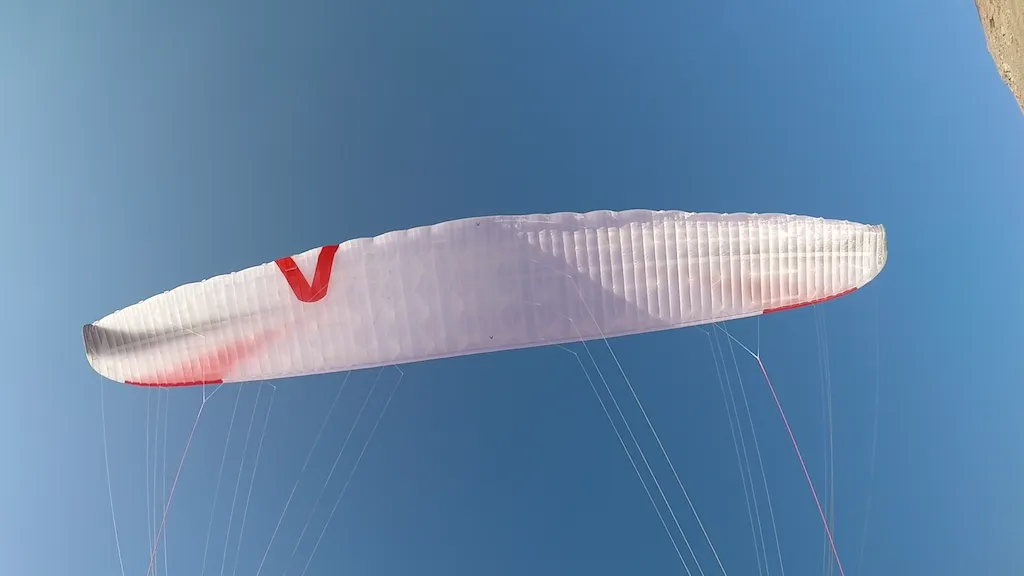
Skywalk X-Alps 3 (S) — The Wing That Won X-Alps, But Not a Wing for Everyone
The strengths are unambiguous. In strong wind and rough air it pushes forward faster and more efficiently than the LM6. The cost is just as unambiguous. The LM6 is far more comfortable in turbulence, and the risers and brake handles make no concession whatsoever to hand fatigue. That is why Bassil calls this riser setup "extreme." So this is not a wing to pick off a spec sheet. Unless active pitch control is reflex, and unless you genuinely need those few km/h badly enough to surrender comfort for them, there is no reason to choose it. The question isn't whether the wing is well built. It's whether you can carry a design that gave up everything else for the race.
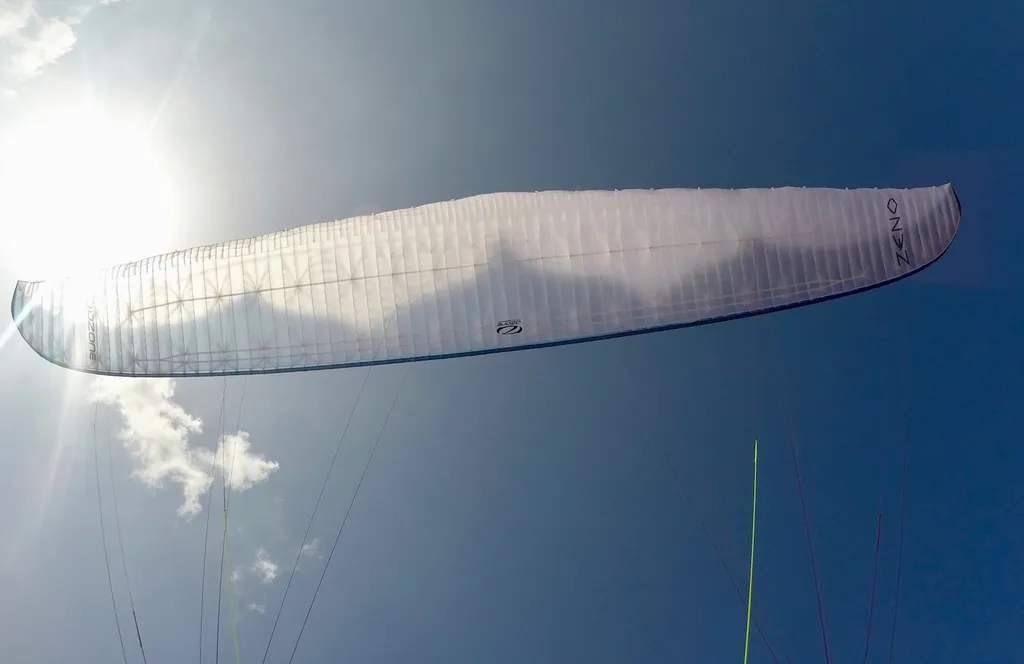
Ozone Zeno MS — The Fastest EN-D Yet, But It Chooses Its Pilot
There is no argument about the strengths. No D on the market today out-glides the Zeno on bar. The question is what it takes to get at that performance. To actually collect this glide in every condition, you already have to be a good D pilot. What turbulence demands here is not strength but restraint, and restraint is built over time. So the Zeno is not a wing to aim for once you improve. It is what a pilot who is already there reaches for when they want to turn that skill into a record or a result. Without that goal, most of the edge it offers stays on your hands as workload.
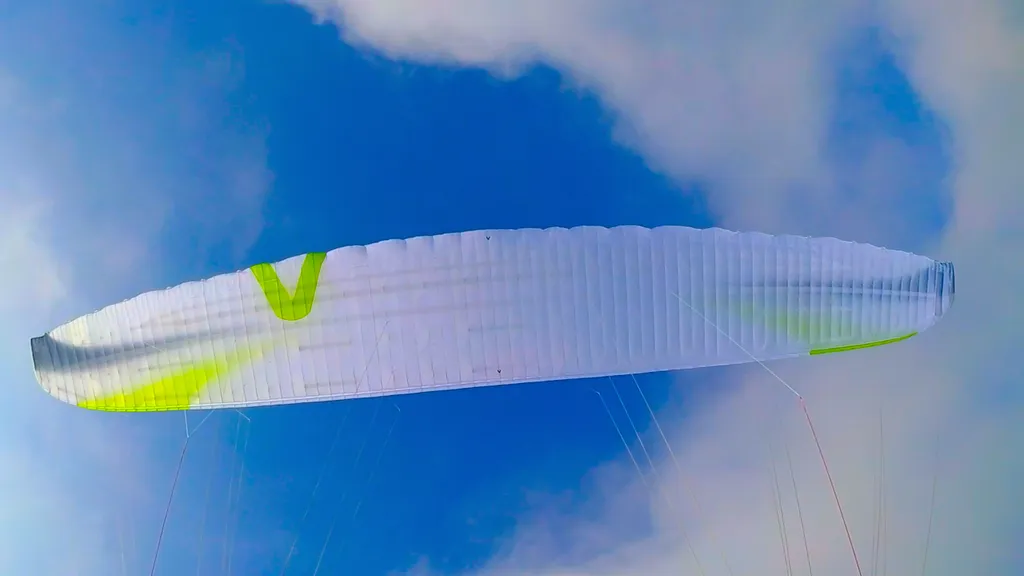
Skywalk Poison X-Alps XS — Not a Porsche, a GT2
What the Poison X-Alps gives a pilot is not a performance figure but information. It reads the air well, it turns well, and because the brake answers short and straight, you keep hearing what the air is doing right now. That is where the verdict comes from: more precise than the LM6, more dynamic, closer to a race wing. The price is just as clear. In turbulence it needs more piloting than the LM6, and holding it level means feeding in firm, accurate brake without pause. Pitch control isn't as clean as the Peak 4's B-steering either. This is not a D that hands you comfort; it is a D that opens up the GT2 feeling only to a pilot who came ready to fly it. The one thing that buys back some room is loading. Take 5kg off and the wing steps back. What the pilot does with that step is up to the pilot.
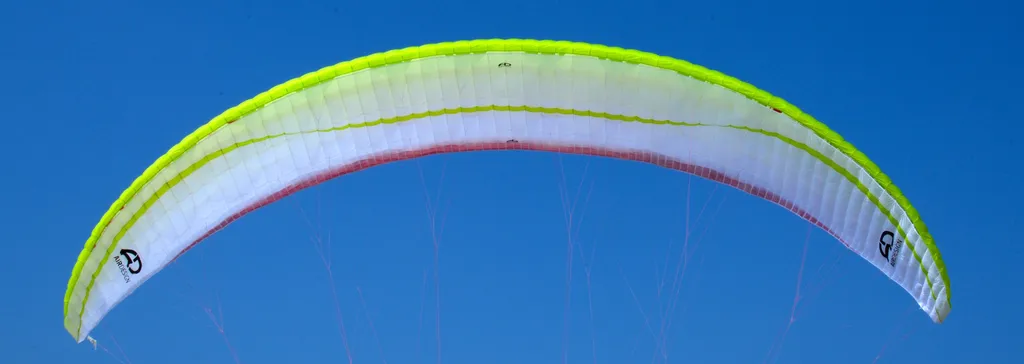
AirDesign Pure 3 SM — A Top-Tier Climber, and a 2-Liner That Asks the Pilot to Adapt
The strength is not ambiguous. Weak air or strong, it springs up out of the core, and in turbulence the whole structure holds together as one. The conditions are just as clear. Measured against the Peak 4 23, the LM6 MS and the King S, Bassil writes that the Pure 3 demands more active piloting and a longer period of adaptation, and he draws the line on glide: moderate for a 2-liner D. So the reason to choose this wing narrows to one. With an aggressive harness and enough D-class experience, it pays you back in climb — but only after you have spent the time getting to know it.
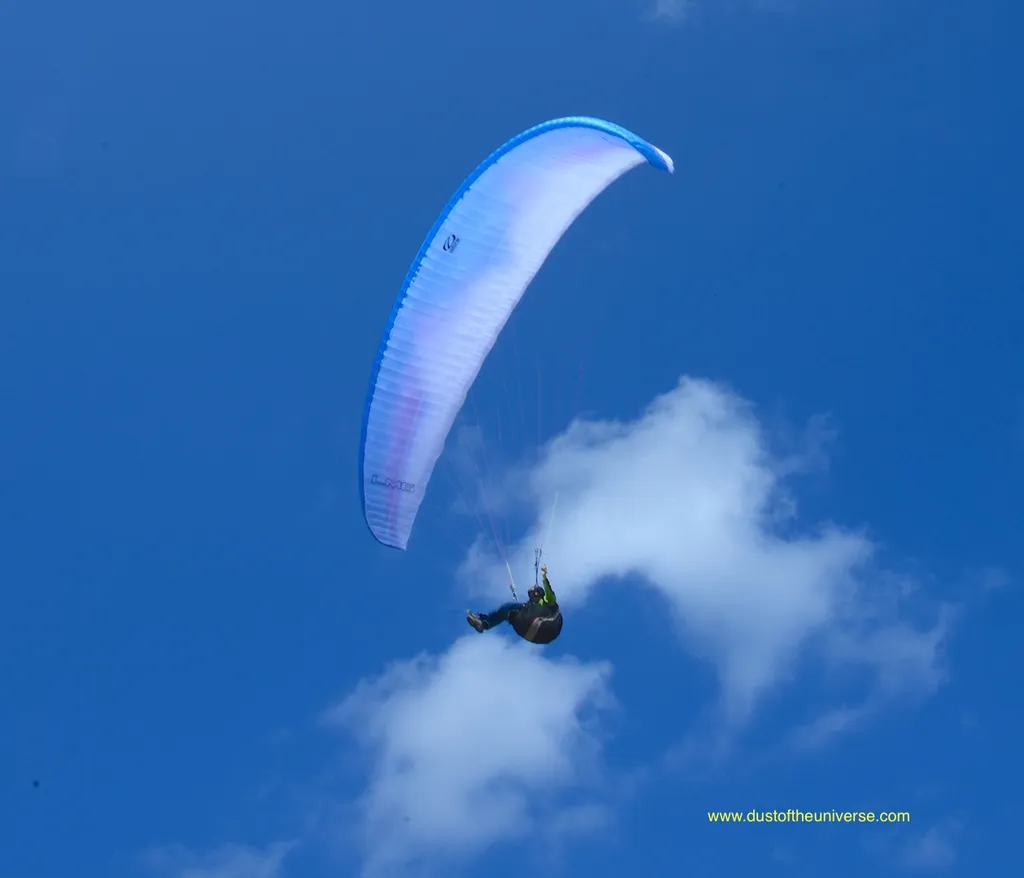
Ozone LM 6 — A Lighter Mantra 6 That Lost None of Its Edge
A lightweight D is usually the result of taking something away. Cut the weight and a little performance, or a little composure, leaks out with it. The LM6 barely pays that price. The brakes are crisper, the pitch has settled toward neutral, and the glide through moving air edges past the original. There is no longer a reason to trade performance away just to walk up the mountain. But this is still a Mantra 6. There is a touch more roll in turbulence, and the wing asks exactly as much of the pilot as the original did. What got lighter is the load on your shoulders, not the question the glider puts to you.

Mac Para ICON — Elan's Cushion, With Added Control, in Class D
Raising performance without giving up comfort is easier said than done. Push the aspect ratio up, add a shark nose, clean up the lines, and response usually sharpens while the feel at your fingertips turns firm. The Icon doesn't follow that script. At aspect ratio 7, three lines, inside a fiercely competitive D class, it carries the Elan's cushioning across intact. That makes the target pilot clear: someone already at home with the Elan's comfort, looking to build on that feel with a step up in control and glide.
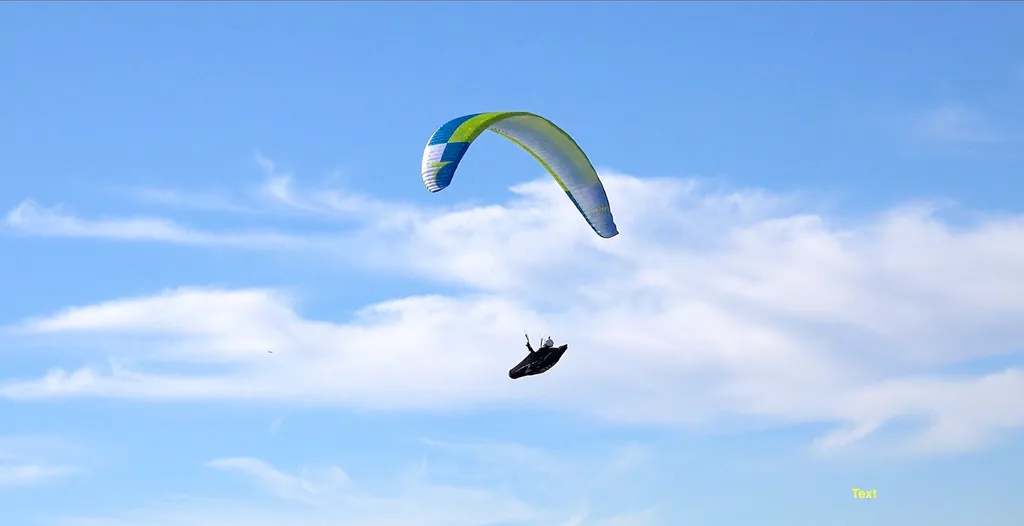
Triple Seven King (S·M) — A New Benchmark for D-Class Glide
What stands out in this review is the tone around the glide advantage. The gap between the King M and the Mantra 6 gets called "another dimension," and there's a mention of chasing down CCC-class competition gliders. Coming up against tough rivals like the Mantra 6, Peak 4, and IP6, that carries weight. Straight-line top speed still belongs to other wings, though, so the King's real value sits in cruise-speed glide efficiency. The original post also carries a follow-up written after 30-plus hours of flying. The A and B lines on the S size had stretched about 0.5cm, shifting trim speed, and releasing the inner C loop by 0.7cm made the wing more dynamic and 1km/h faster at trim. It's a reminder — one only a long-term owner could leave — that the factory setting isn't the final word.
Gradient Avax XC 5 26 — Brake Precision Carves the Thermals in Class D
The numbers that usually lead a review at this level are glide ratio and top-end speed. What stands out about the XC5 review is the opposite: glide ratio never comes up, and top speed lands close to the previous Aspen 5. Most of the page instead goes to how the brakes respond and how that response turns into a turn inside a thermal. EN-D is usually thought of as a class where you pay for performance with difficulty. The Avax XC 5 points the other way. Aspect ratio goes up, the certificate class goes up a notch, and yet what's left at your fingertips is more precise, not less. For a pilot chasing distance on XC, one reliable turn inside the core can matter more than a single glide-ratio figure on paper.
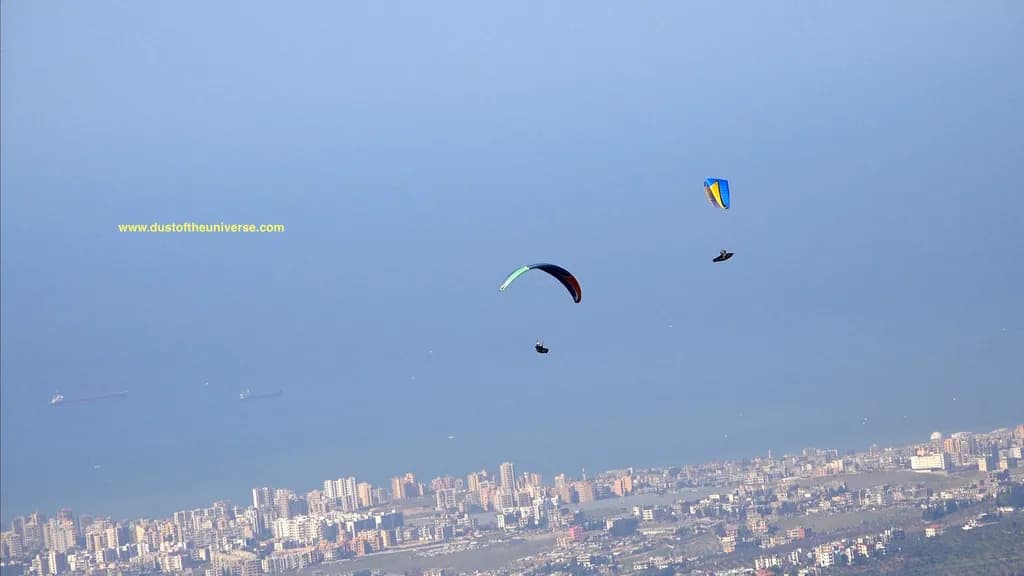
Niviuk Peak 4 (23) — Turns Like a 5.5 at Aspect Ratio 7
What lingers most from the Peak 4 is the gap between the number 7 and what actually reaches your hands. Thanks to brakes that come alive past the 15cm mark, this wing turns like something a full aspect-ratio step lower. Pitch stays neutral too, without the Mantra 6's characteristic rearward push, so it takes 360s and wingovers without complaint. There's a clear cost, though. In the very lightest lift, under 0.5m/s, it can't read the faintest thermal the way the Icepeak 6 23 can, and big ears take real muscle — not a technique you'll reach for often in practice. Even so, holding glide and trim speed alongside the top D-class wings while lowering the piloting demand should be more than enough to erase the disappointment the Peak 3 left behind.