Paragliding Ground School
Ground handling in 14 steps
Fly With Greg's 14-part ground-handling curriculum — from your first kiting steps to cobra and hybrid launches, in the order that builds real launch skill.
Ground Handling 1: Getting Started
Site and equipment are not a matter of skill but of choice. A good environment reduces mistakes; a bad one turns the same mistake into danger. Your first choice in kiting sets the difficulty — and the learning pace — for every drill that follows.
Ground Handling 2: Launch Run Drills
Many failed launches start from hesitation rather than a lack of running ability. Drill your stride, weight shift, and the feel of steady tension on flat ground, and your motion won't break on the real launch either. A good launch is made not by fast feet, but by a rhythm you carry all the way through.
Ground Handling 3: The Downfall
Many pilots spend plenty of time practicing how to bring the glider up, but relatively neglect the skill of bringing it down safely. Yet a controlled finish is what decides your safety whenever the canopy is still alive — on a strong-wind launch, a top landing, or just after touchdown. Good ground handling ends not the moment you bring the glider up, but the moment you lay it fully down.
Ground Handling 4: Reverse Control
Many pilots fear the strong-wind launch itself, but the real cause is often a lack of confidence in reverse control. Once the feel of supporting the canopy with your feet rather than your hands settles into your body, the glider's movement actually becomes clearer the stronger the wind blows. Reverse control is not just another kiting skill — it's the gateway you must pass through to move on to strong-wind launches.
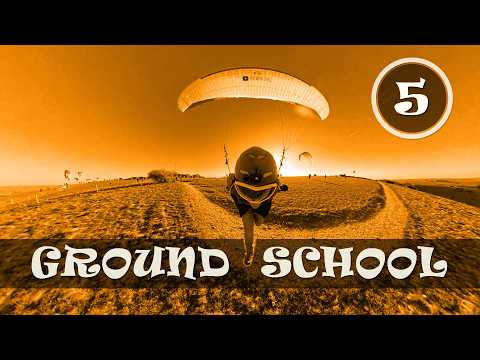
Ground Handling 5: Smooth Turns
The turn takes only a few seconds, but it's often where a real takeoff is won or lost. Once keeping a constant head height and turning speed becomes a habit, the canopy stays composed even as you change direction. A smooth turn, in the end, leads to a smooth takeoff.
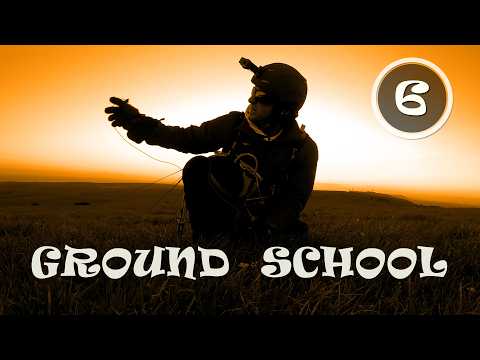
Ground Handling 6: Hammer Brakes
Hammer braking is often not covered deeply in standard training, yet it's an important skill that protects the pilot on rough launches and in strong surges. The feel for controlling a surge is less about understanding the theory and more about engraving it into your body through repetition — because in a real situation, your body has to react before your mind does.
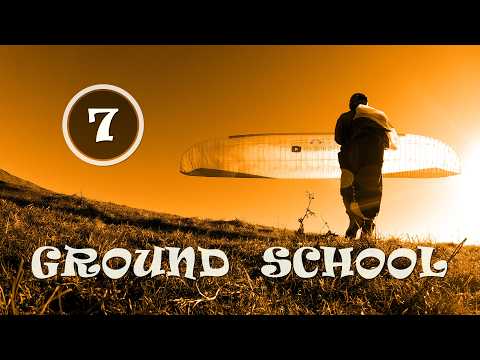
Ground Handling 7: Low Level Control
Light-wind kiting is not a flashy skill, but it's the foundation of all kiting ability. The longer you can hold the canopy overhead, the more repetitions and feedback you gather in the same amount of time. The feel for reading and holding pressure in light wind ultimately becomes your ability to handle the canopy in strong wind.
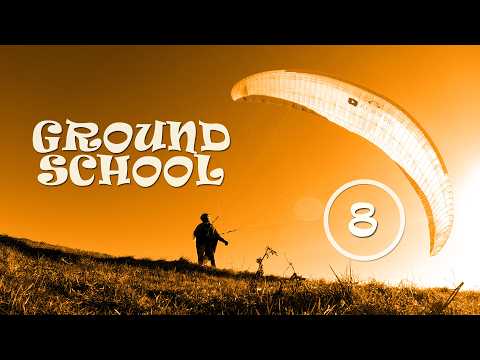
Ground Handling 8: Side to Side
This drill carries directly into repositioning the glider on a tight launch, or reducing the lateral force the canopy generates in strong wind. Because it demands the coordination of brake, weight shift, and gaze all at once, it's one of the drills that best reveals a pilot's kiting skill and fine canopy feel.

Ground Handling 9: Cobra Launch
The cobra launch is a special technique used only in strong wind. So it's best applied to a real launch only after you've drilled the procedure into your body through repetition on flat ground without much wind. Greg too recommends it only for pilots with enough experience. In strong wind, the judgment to give up on the conditions and wait is often more important than a brilliant launch technique. Sometimes the best launch is the choice not to launch at all.
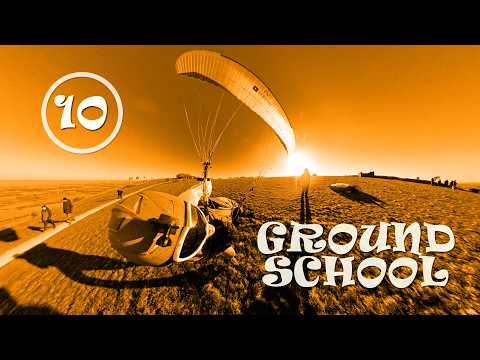
Ground Handling 10: Moving With the Wing
The feel of moving with the glider doesn't end on the ground. At takeoff it becomes the ability to hold the canopy steadily overhead; at landing, the ability to keep the wing alive until the very last moment. Once you start taking pitch and roll with your feet first, you stop being dragged around by the canopy even as the wind turns rough. In the end, kiting mastery is decided not by how well you control the glider, but by how naturally you can move together with it.
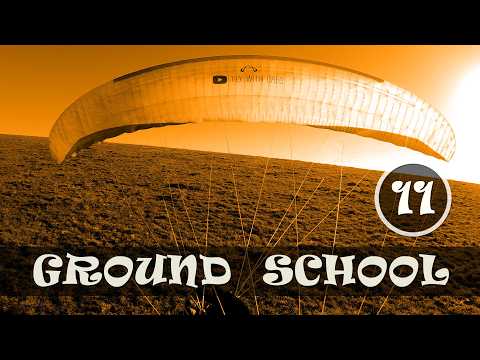
Ground Handling 11: Kiting Uphill
Uphill kiting is the link between flat-ground practice and a real mountain launch. Repeating it on short slopes on calm-wind days can greatly reduce the pressure and tension you feel on your first mountain launch. Confidence on a mountain launch is built, in the end, not at the launch site itself, but through repetition on the slope.

Ground Handling 12: Stall Point Drills
The stall point is not a value you memorize as a few centimeters of brake travel. It's a feel you remember with your body — the change in the wing's pressure, the drop in speed, and the sensation just before the canopy stops. The landing flare is, in the end, the skill of using this energy just before the stall. The more precisely a pilot knows when the wing stops flying, the more they can use lift to the last moment for a shorter, softer landing.
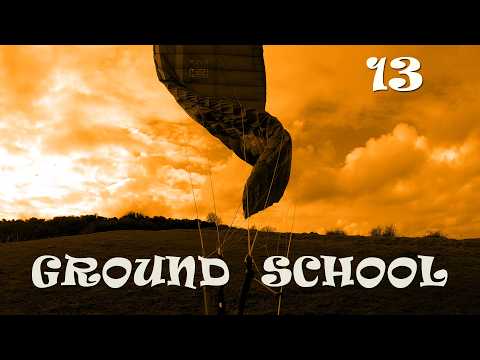
Ground Handling 13: Practice Your Collapses
A collapse in flight is not a rare event but a natural one that can happen to anyone. The real danger usually starts not from the collapse itself, but from panic and a slow response in an unexpected situation. Collapses and recoveries you've experienced repeatedly on the ground greatly raise your reaction speed in the air. A movement you've already handled many times is no longer unfamiliar — and familiarity leads straight to composure and safety.
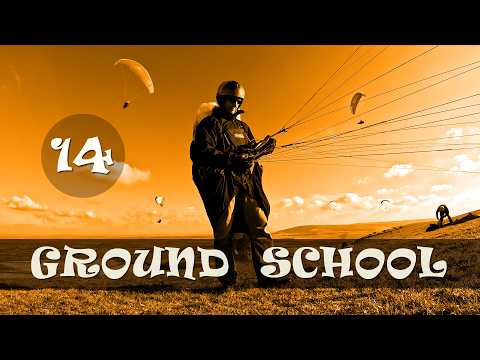
Ground Handling 14: The Hybrid Launch
The most important message this video delivers is not a particular technique but a basis for choosing. All the canopy control and ground handling you've learned so far was, in the end, preparation for making a better decision at the moment of launch. A good launch doesn't come from a memorized routine — it's completed only when the judgment to read the day's conditions and choose the most appropriate method meets the skill to execute that choice precisely.