EN-C
Intermediate to advanced
Reviews of EN-C class gliders.
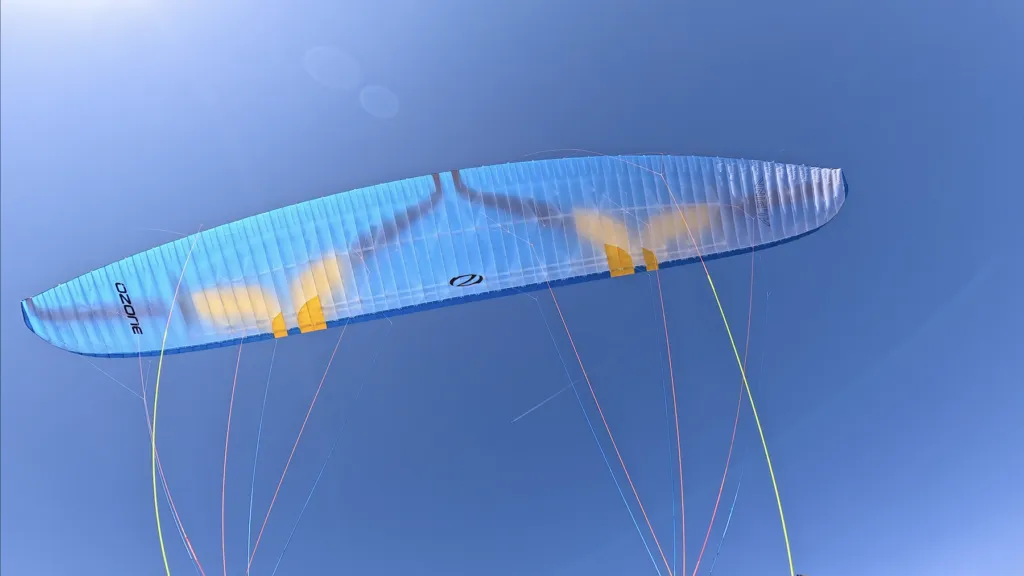
Ozone Alpina 5 (MS·S) — The Most Approachable Two-Liner in Class C
The first flight onto a two-liner is a careful one for anyone. A two-liner runs one line fewer, which makes it that much sharper, and for a newcomer that sharpness can become a wall. The Alpina 5 lowers that wall. The immediate turn its short brakes produce, and its unintimidating behaviour, give a pilot picking up their first two-liner something to lean on. If you're after the fastest C-class two-liner, other names will come to mind. But as the C-class two-liner to take that first step on with an easy mind, few wings come close.
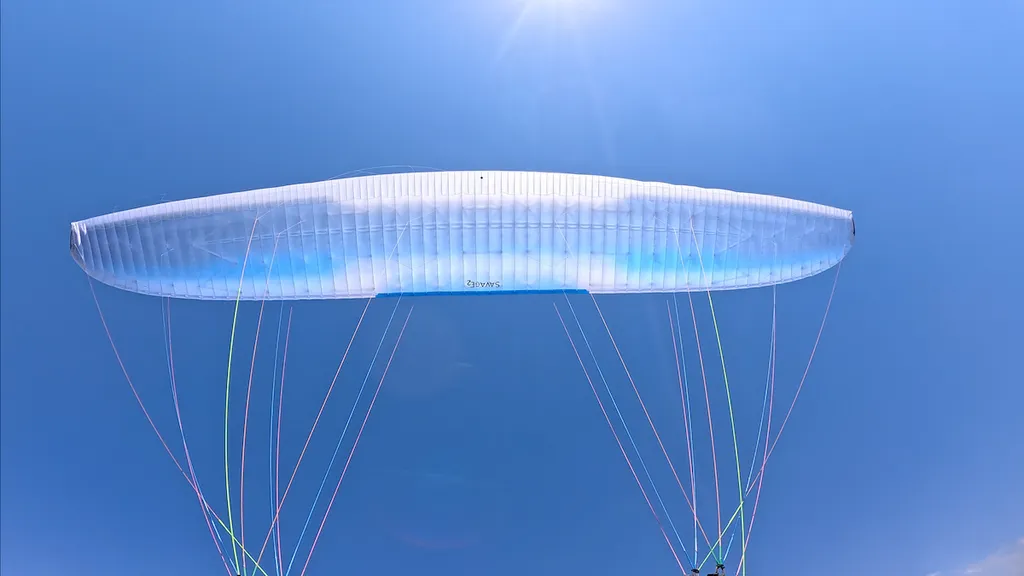
Supair Savage 2 — A 2.5-Liner Hybrid Aiming for the Top of the C Class Without Going Two-Line
The Savage 2 captures C-class feel and outstanding climb together, without the burden of a full two-liner. The short brake travel and immediate response are clear strengths. But that immediacy is also another name for honesty. This is a wing where every input comes straight back as a result, so it yields its potential only in proportion to how much the pilot refines their handling. That's why the Savage 2 is a glider that gives a pilot who doesn't want to cross over to a two-liner a reason to dig deeper right where they already stand.
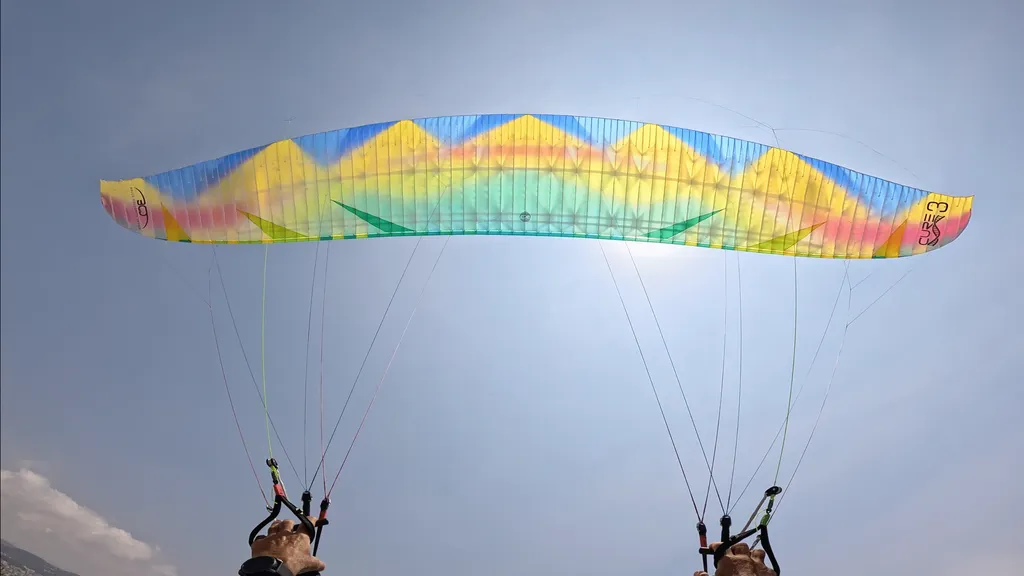
BGD Cure 3 M — An EN-C That Comes Alive at the Right Weight
The Cure 3's glide and climb are clearly at the top of EN-C. But that performance is promised only on top of weight. The same wing feels like a gentle C class when flown light, and turns into a competition wing that bores into the core once you fill it to optimum-to-top. It isn't a glider that shines the instant you pull it out of the bag. It's the kind that gives up all of its potential only when the pilot has the wing loading dialled in right. For a pilot who knows how to hold the right weight, one wing covers both mellow flying and aggressive XC.
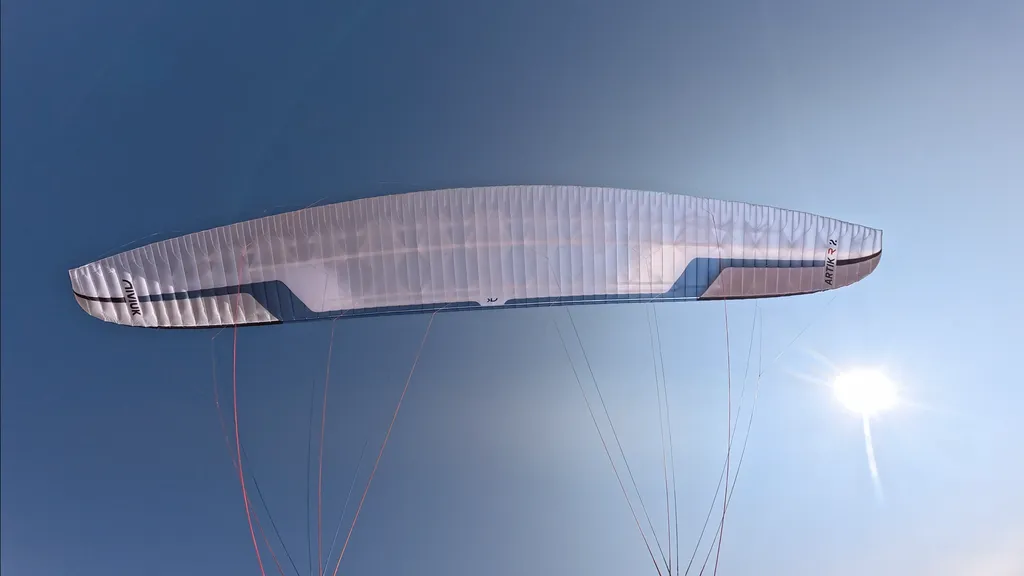
Niviuk Artik R 2 (Size 23) — The Climb of a Two-Liner EN-C
Look at the number alone — an aspect ratio of 6.5 — and it's easy to picture a demanding wing. The Artik R 2 sidesteps that assumption. Thanks to its short, sharp brakes and gentle behaviour, it strips away much of the tension that usually comes with flying a difficult glider. Even so, the one sentence that defines this wing isn't handling but climb. The XC pilot who, before stepping up to a more demanding D-class, wants to first raise the two pillars of performance — climb and glide — without raising the workload: the Artik R 2 is built for exactly that spot.
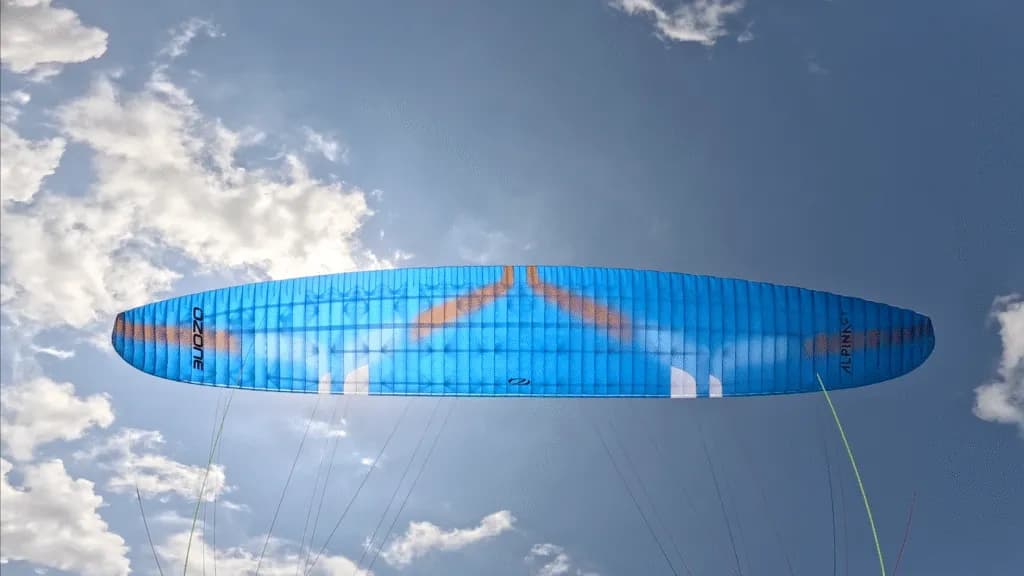
Ozone Alpina GT S (65-85): A Refined EN-C for Everyday Alpine Flying
The virtue of the Alpina GT S is clear. It erases the tension that usually comes with stepping up a class, and adds only performance. But where this wing truly put in the work isn't the glide numbers — it's the pilot's mind. A wing that doesn't scare you when it collapses is, in the end, a wing you fly more often and farther. Ozone built that simple truth into the design. Instead of promising the best glide, it's a wing that keeps the flight going the longest.
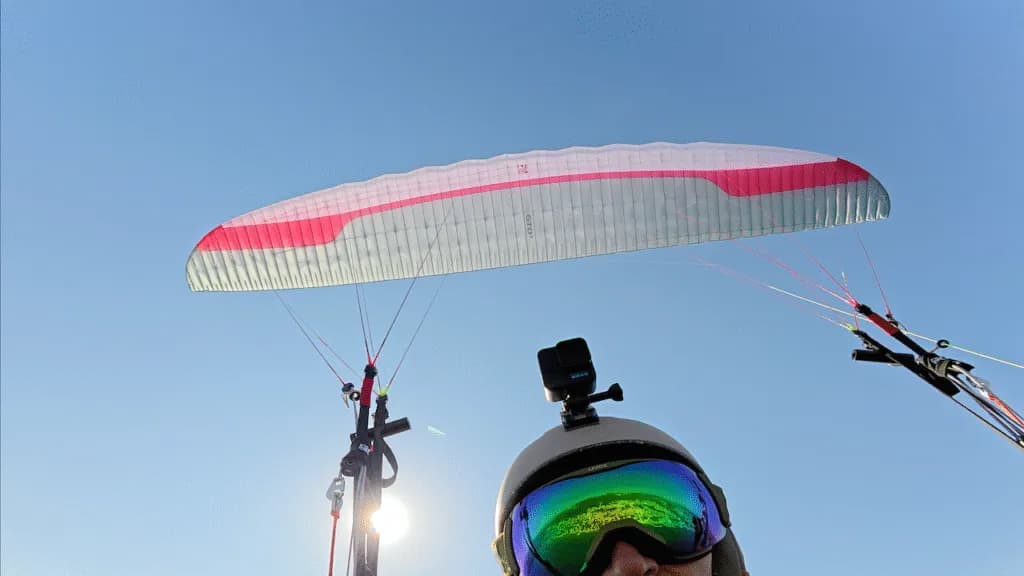
GIN GTO 3 — A New Benchmark for EN-C Glide
The GTO 3's glide is ahead of anything else in its class. What it won't do is hand that performance to you. The full depth of its potential opens only to a pilot with precise brake input, active weight shift and a feel for reading the speed range. This isn't a glider for the pilot looking for an easy wing. It's a glider for the pilot who wants to be paid back exactly as much as they put in.
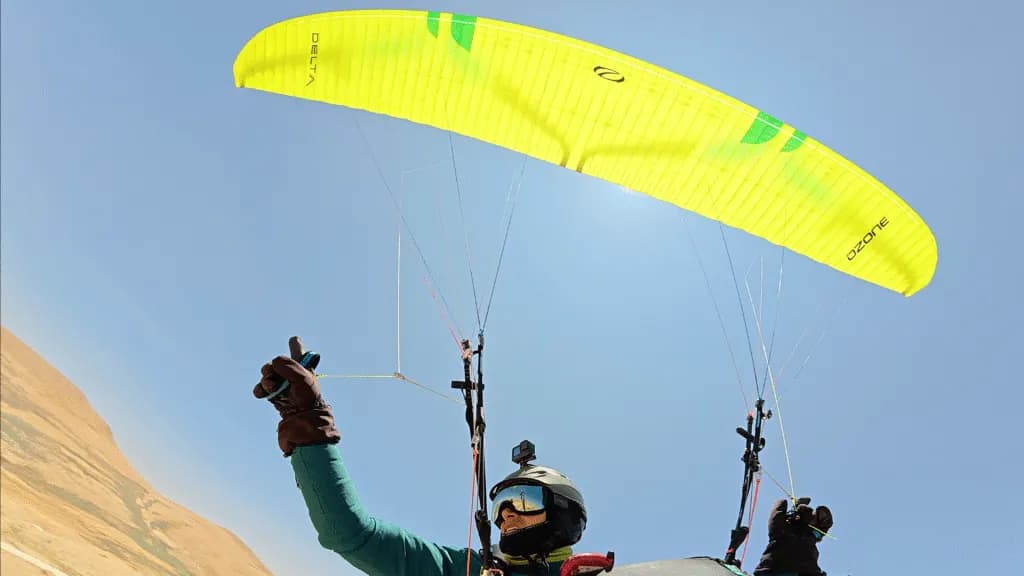
Ozone Delta 5 (MS·ML) — The C-Class Keystone Between the Delta 4 and the Photon
The Delta 5's glide reaches past the Delta 4 and presses close to the Photon. But that performance doesn't come for free. Load it properly for its size and use the brakes precisely, and the wing delivers the glide it promised, all the way through. For the pilot who has graduated from the Delta 4 but isn't ready for the tension of a 2-liner, the Delta 5 is the precise answer in between. It lends you C-class performance with something close to a B-class peace of mind.
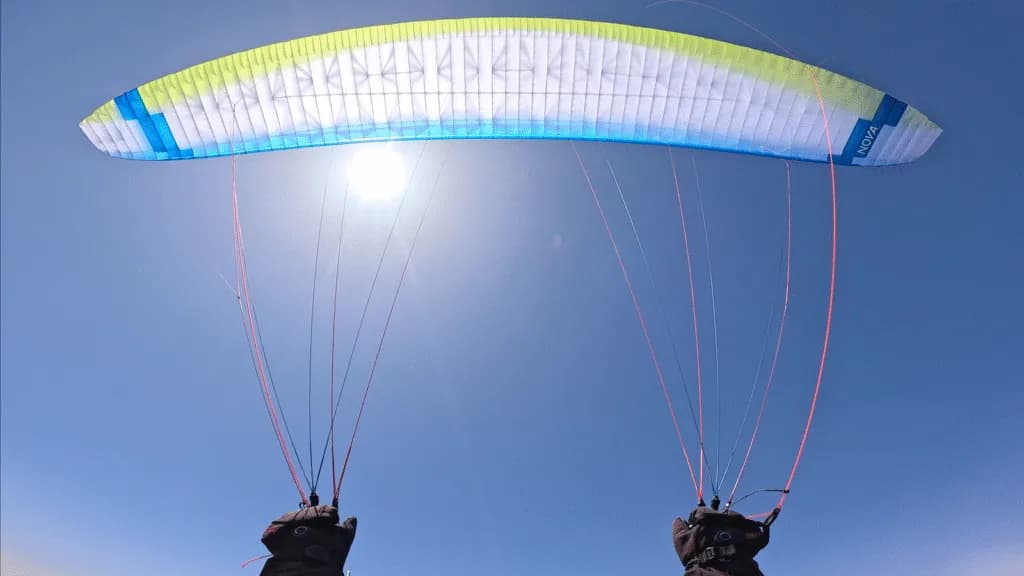
Nova Vortex XS — A Lightweight 2-Liner C Where Wing Loading Sets the Character
It folds down light, it's a pleasure to carry up a mountain, and it inflates without fuss. The nervousness so often pinned to the word "lightweight," and the penalty on glide, are absent here. Remember one thing. The Vortex's performance grows as you load it. Filled to the top of its certified range is where lightness and the composure of a classic C finally meet in one wing.
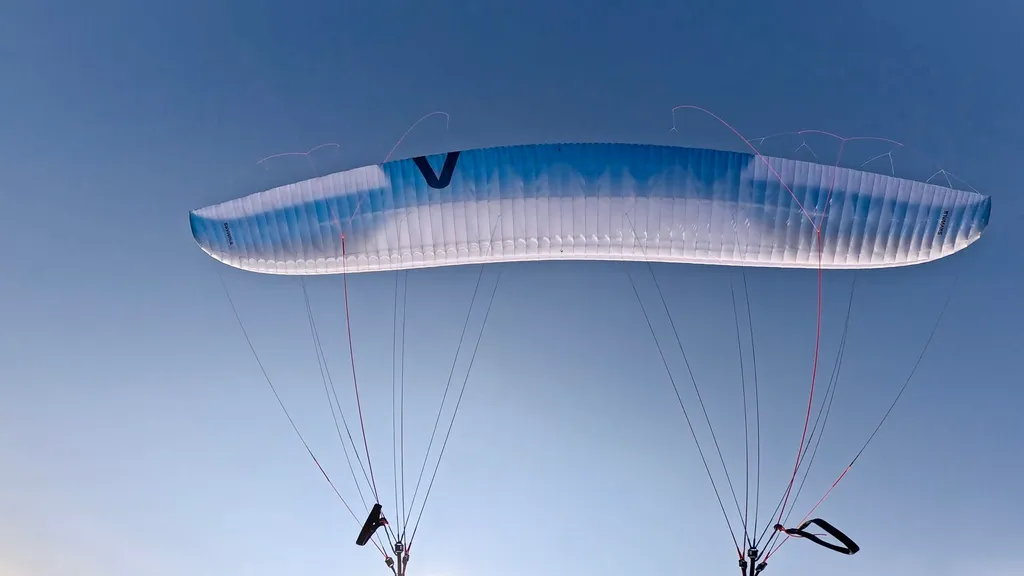
Skywalk Sage 85 & 95 — An EN-C Two-Liner That Bets on Handling
In a C-class two-liner field where glide figures have levelled out, the one place the Sage sets itself apart is the feel of the controls. The short travel and immediate response are a clear reward for the pilot who wants to refine their coring and fly the wing actively. But that reward comes with a condition. Direct also means the wing hands the pilot's input straight back. If the skill to manage a two-liner isn't there, that immediacy returns not as a strength but as a burden. The Sage shows its full self only in front of a pilot who can converse with the wing through their fingertips.
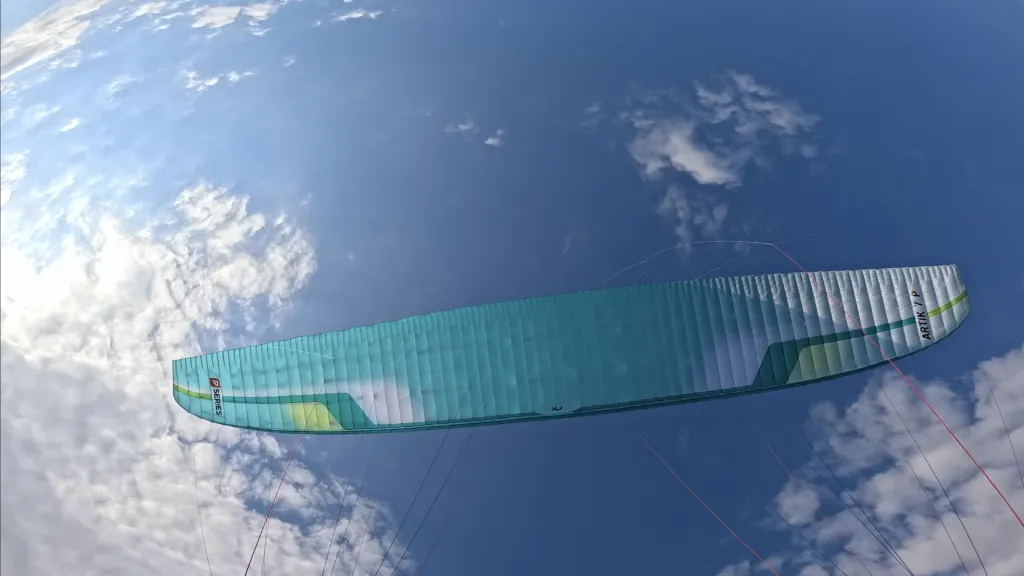
Niviuk Artik 7 P (Size 23) — The Pure Pleasure of a C-Class, Without the Two-Liner
The virtue of the Artik 7 P is simple. It delivers a glide that sits right up against the two-liners, yet never puts the pilot on edge. You get the precise handling and performance of a C, while deferring the demands a true two-liner makes by one more step. In return, there is a price to pay if you want to enjoy this wing to the full: fitting yourself into that narrow sweet spot of 90-91kg all-up. Meet that one condition and the Artik 7 P becomes the sweetest stepping stone on the road toward a two-liner — sweet enough that there's no need to hurry the next step.
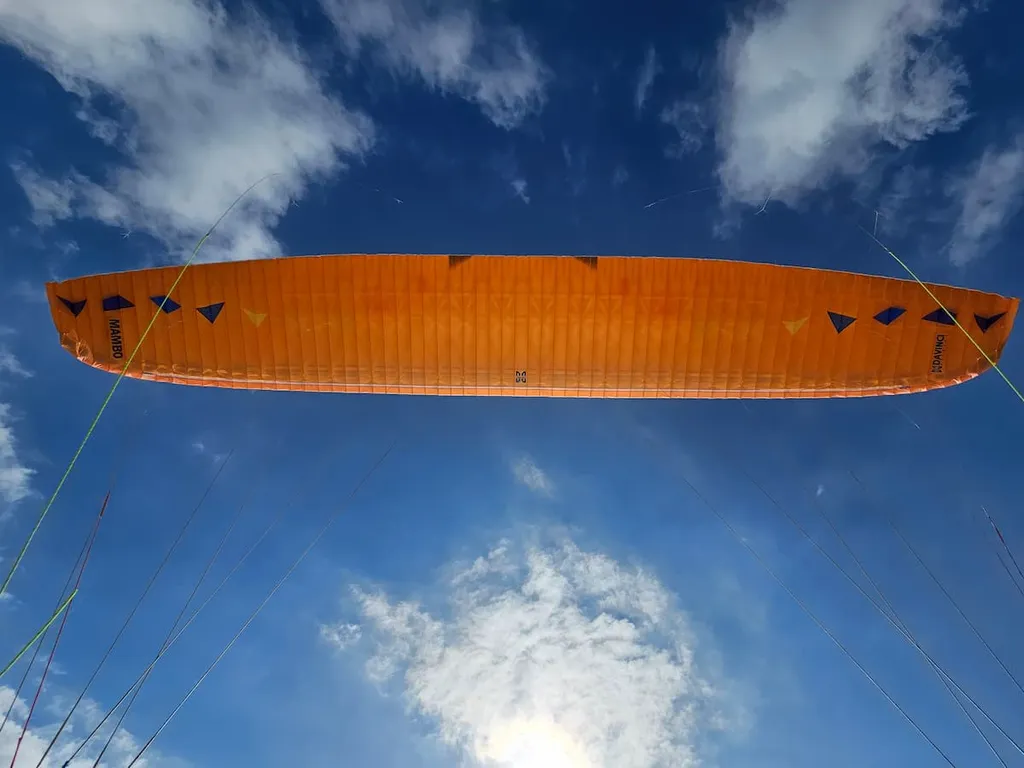
DAVINCI Mambo 2-Liner EN-C: A Thermal Machine That Answers Only When Loaded Heavy
The Mambo's strengths move as a package. Buoyancy in light air, unwavering glide efficiency, and a climbing instinct that shoots straight up in a hard surge combine into a tool for attacking thermals. But every strength comes with a condition. The behaviour of a pitch that won't settle to neutral is a weapon inside the core, yet leave your hands off and it is movement the pilot has to absorb directly. If you're after a C you load lightly and ride in comfort, there are better choices. The Mambo gives back efficiency and climb in proportion to the pilot who raises the wing loading and pushes into strong air.
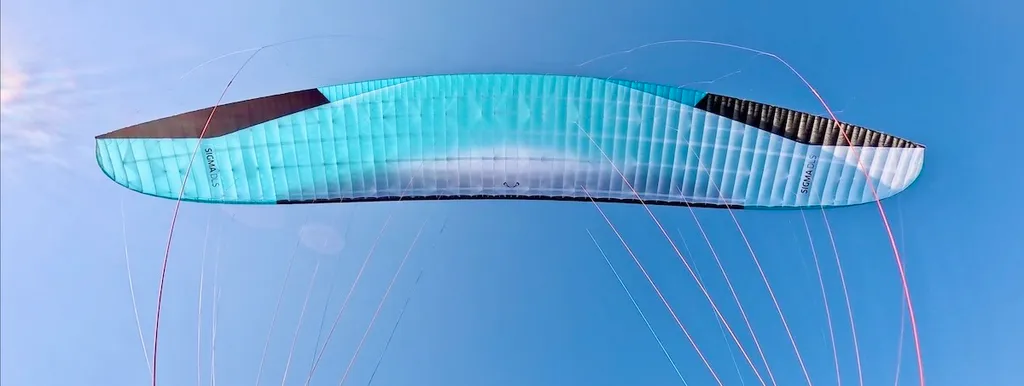
Advance Sigma 12 DLS: An Ordinary 3-Liner That Gives the Glide Back
The Sigma 12 DLS's strength sounds like a contradiction: the most ordinary architecture produces the least ordinary glide. The clean, hang-up-free launch and the authoritative handling take the edge off the fear a pilot fresh from high-B meets on first entering the C class. But reading this wing as merely an "easy C" misses the point. The point is that simplicity gave up nothing in performance. The glide moves past the previous generation and edges close to a good two-liner, and that glide rewards most the pilot who pins the core precisely in strong conditions. In trading away the flash, Advance has packed the comfort of a conventional 3-liner and a near-two-liner glide into one wing — a clever compromise.
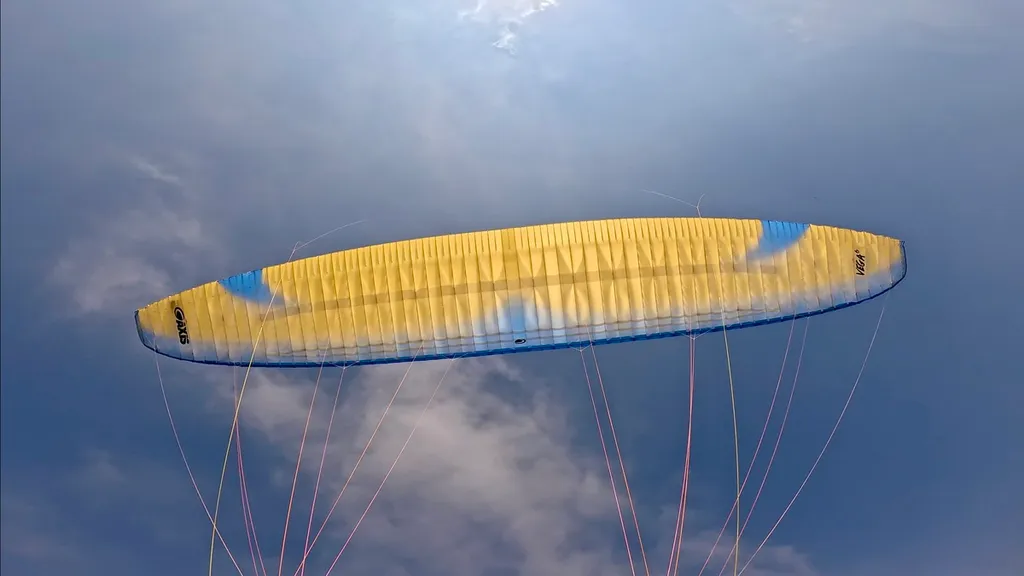
Axis Vega 6 M — An EN-C Two-Liner That Chose Handling Over Glide
The Vega 6's strengths are clear: short, precise brakes, a turn that carves into the core, and a feel that even Photon owners enjoyed more. But that enjoyment comes with conditions. You have to accept giving up best-in-class glide, and above all you have to load the wing to the top of its range before it shows its true character. Fly it light and you get only half the agility and half the drive. So the Vega 6 is less an EN-C chasing glide numbers than a wing that answers to the pilot who grabs the controls and builds the flight. If you want the best glide, the Photon is the answer. If you want the fun of carving a thermal with your fingertips, the Vega 6 makes the stronger case.
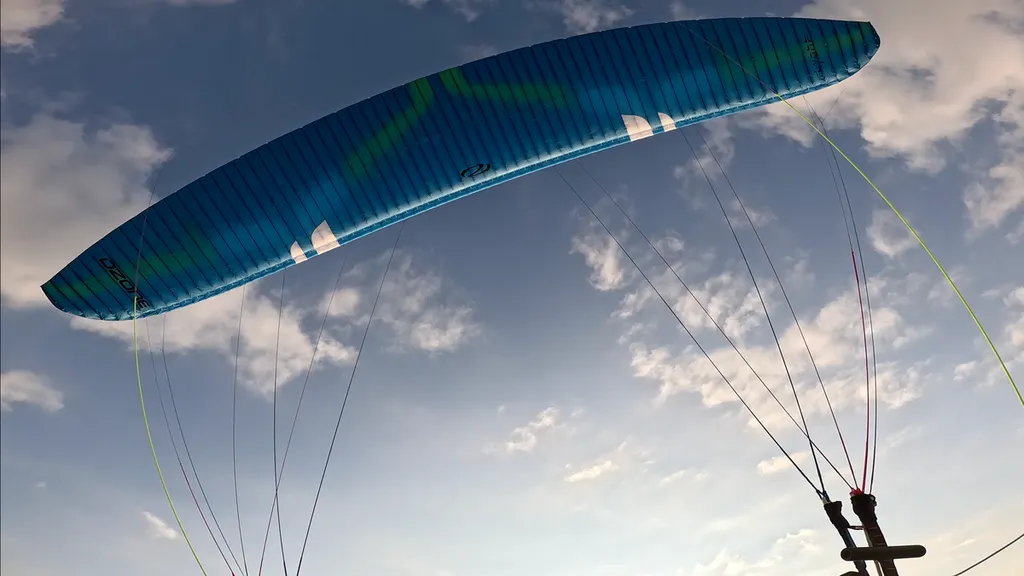
Ozone LYGHT: The PHOTON's Performance, Made Easier to Fly — a Lightweight EN-C Two-Liner
The LYGHT's strengths are clear. It carries over PHOTON-grade glide intact while easing the operational load with a short, direct brake and a calmer demeanour in turbulence. Even so, the rating is still EN-C two-liner. Just as the praise for catching weak thermals comes with the caveat "if the pilot listens to his vario," the directness it hands back — inputs that answer immediately — presumes a pilot who can read those signals and handle them. This is not a wing made easier by giving up performance. It moves the same high-performance package into a lighter, more manageable feel in the hands. The sugar is gone, but everything worth having stays.
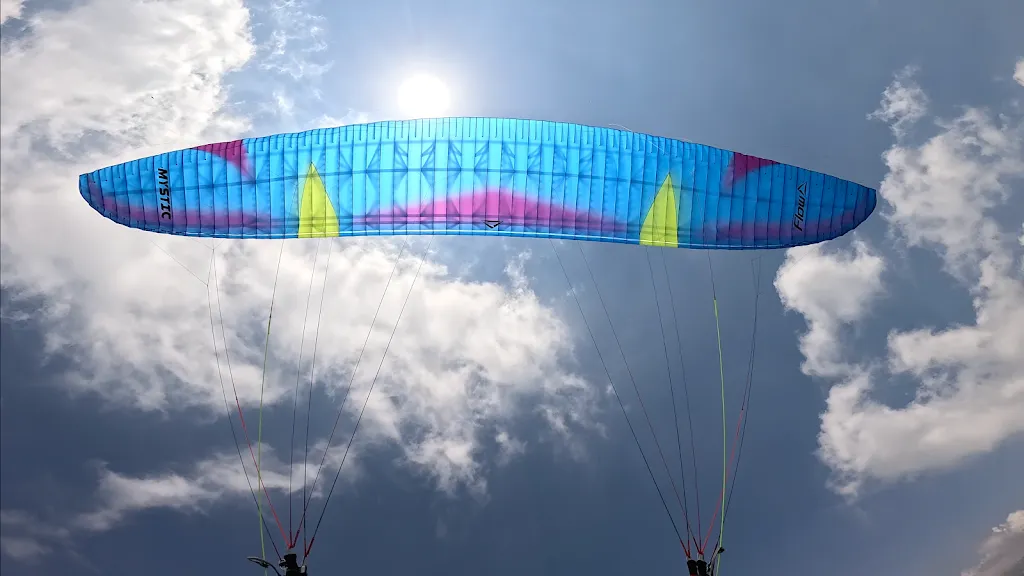
FLOW Mystic S — A C-Class Two-Liner That Refines the Fusion
The Mystic is the most persuasive wing for a pilot who knows the Fusion. The pleasurable turn that comes from a shorter, lighter brake, and a glide that cuts through a rough air mass more efficiently. What defines this wing is that it pinpointed and lifted the two axes that were lacking in its predecessor. That said, the certified version's soft wingtips can be off-putting at first. They fold and reopen without incident in turbulence, but it takes time to get used to that softness, and some pilots need more than 20 hours before it stops registering. In the end, the Mystic isn't a wing that breaks in at a stroke — it's a C-class two-liner that repays you, in glide and handling, as much as you grow accustomed to it.
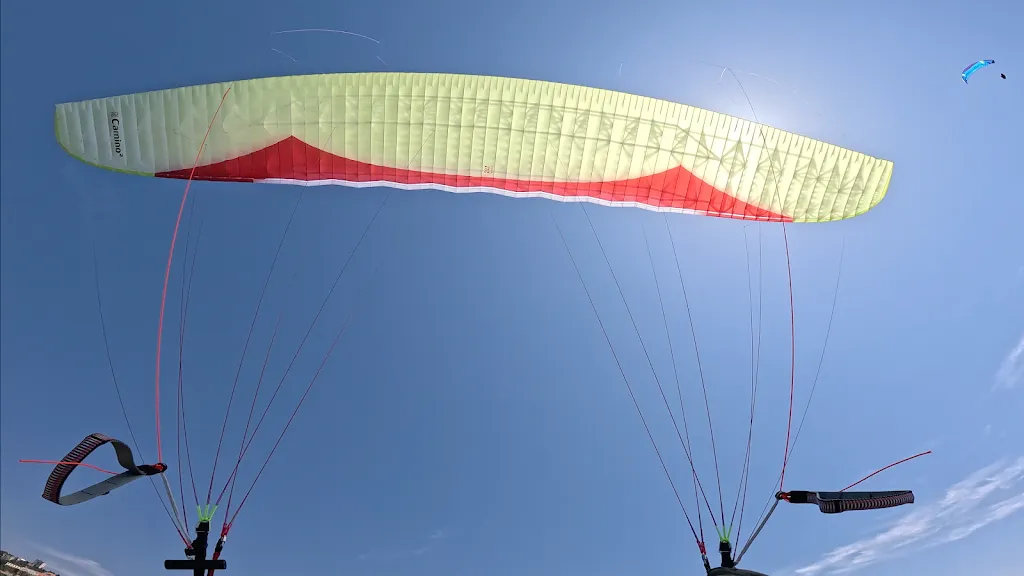
Gin Camino 2 (S): Same Numbers, a Different Wing
The Camino 2's strengths come down to three things: a takeoff that doesn't change in strong wind, brake authority that drives into the core, and a float that hangs on longer over broken lift. This is where Bassil's case for treating the wing as a distinct design — not a lightweight Bonanza 3 — comes together. There is a condition worth flagging, though. His note that the brakes are slightly firmer than mid-range in turbulence, and that the response is a shade less dynamic than the Volt5, Photon, Artik-R, or Trango-X, signals that this is not a light-handed entry wing. If you want a 2-liner that flies you, there are other options. But for a pilot who has graduated from high-B and wants to make full use of C-class glide and float, the Camino 2 gives back exactly what you put in.
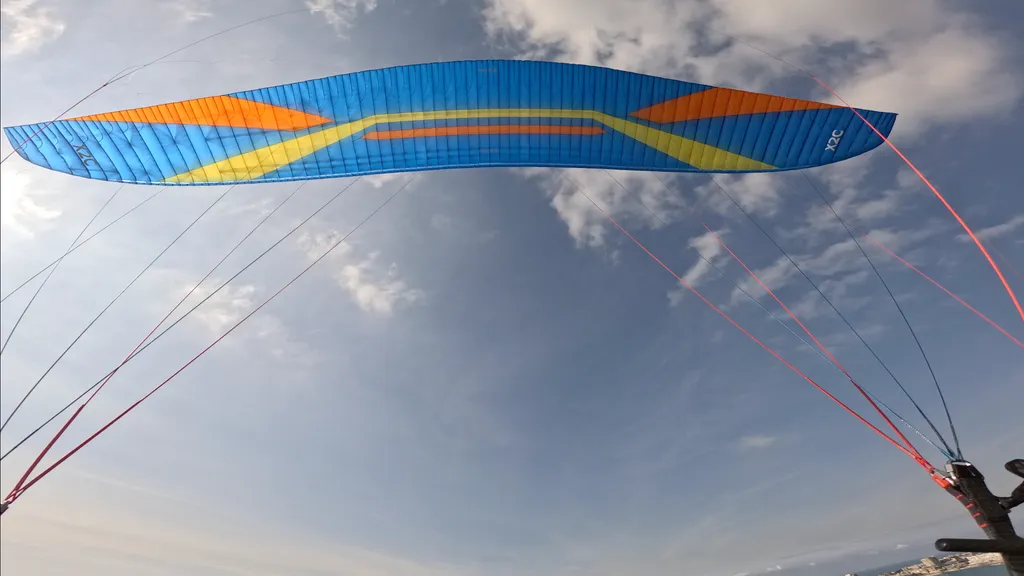
Zoom X2C 95 — A Two-Liner C You Fly for Fun
The X2C leaves no box unchecked. Handling, the joy of flying, agility in thermals, glide, and enough speed for a two-liner are all filled in evenly. That its behaviour stays compact in rough air while brake authority remains alive speaks directly to the very thing a pilot stepping up to a two-liner C fears most, and calms it. But "playful and forgiving" should not be read as an excuse for a beginner wing. The energy that returns to your fingertips after just two wingovers is also a sign that this wing takes input honestly and pays it back in kind. The X2C is not a C that is good because it is easy; it is a C that rewards a pilot who genuinely knows how to handle a two-liner with that much more fun and glide.
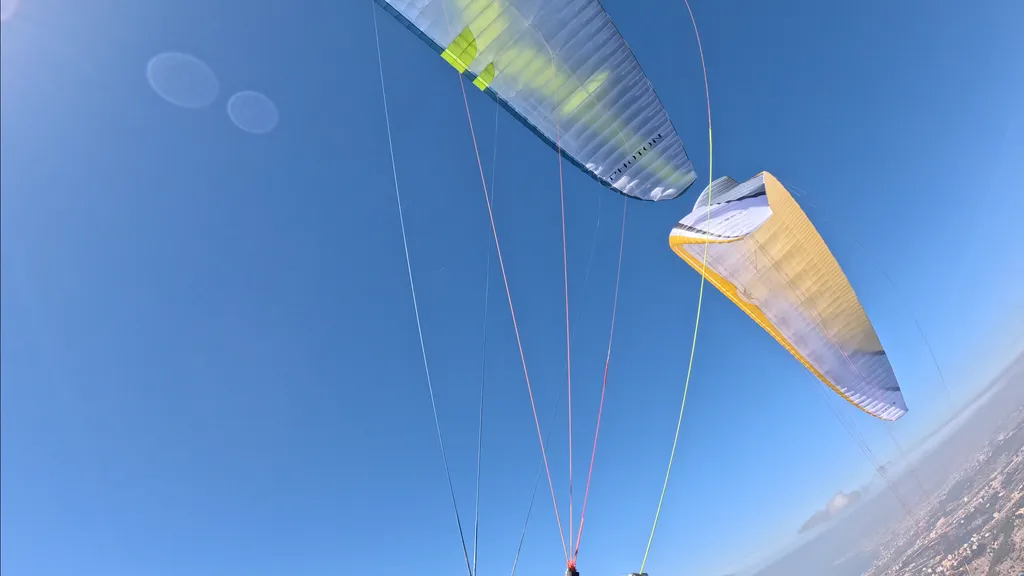
Mac Para Verve 23 — An Easier Elan 3, a Two-Liner That Wins on Glide
The appeal of the Verve 23 is simple: it's easier on the hands than the Elan 3, and its glide is strong enough to take on the Photon. But it would be a mistake to read "easier" as "undemanding." It won't hold you up on its own in weak thermals, and because it needs an extra beat to settle into the climb, the coring stays the pilot's job. To pull out its glide — the real strength — you first need hands that can push the bar with confidence. So this isn't an entry-level 2-liner. It's a choice for the experienced pilot looking to step one further beyond the reassurance of a 3-liner. The Verve is less a glider that sells ease than one that lowers the threshold for a pilot just stepping onto a 2-liner — and then pays it back in glide.
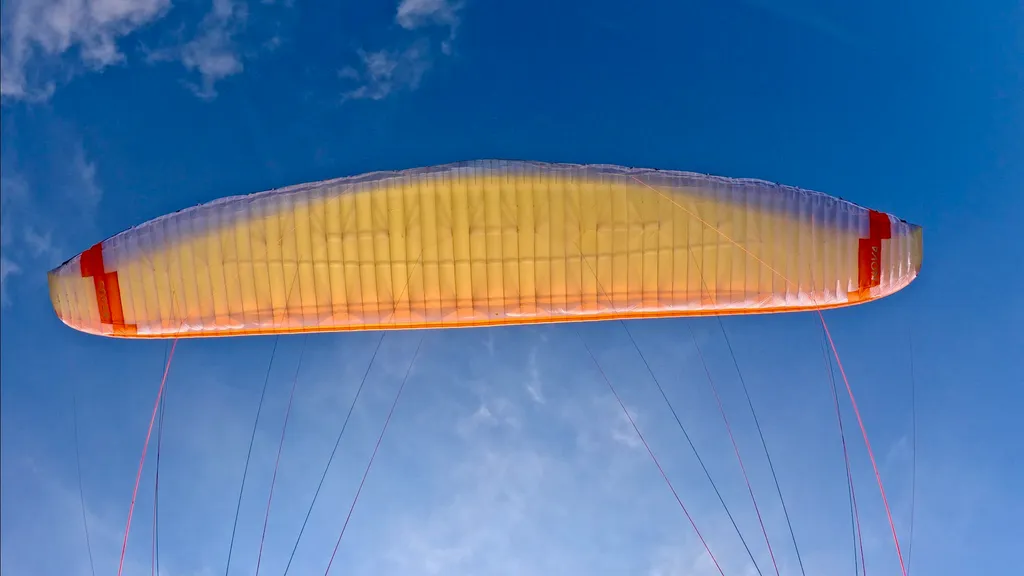
Nova Codex: The Gentlest Two-Liner C, and a New Baseline for the First C
The C class is usually one where the pilot has to keep up with the wing. Fast inputs, constant attitude management, and tension in rough air come attached like an admission fee. What makes the Codex special is that it lowered that fee. Its planted-overhead stability and reduced input frequency make the C class manageable even for a pilot who has just stepped up from high-B. But don't read "gentle" as "ordinary." The weak-thermal climb and the impressive glide angle came at 96kg all-up, with the wing fully loaded. Launch it light and those strengths shrink in step. The Codex isn't just an easy C; it lowers the barrier to entry, but it only delivers its full value when you load it properly.
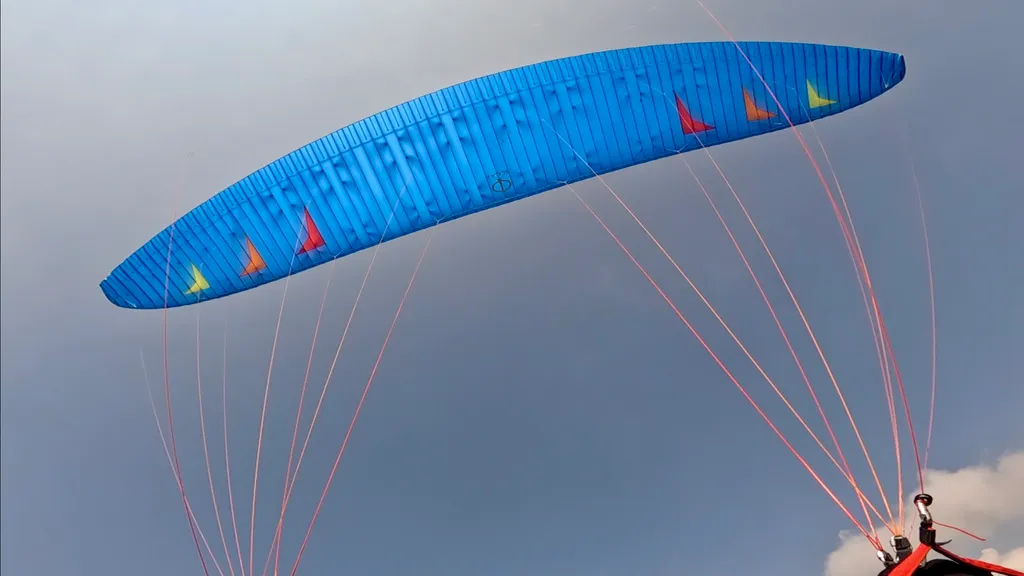
PHI Scala 2 19: A High-Aspect Glider Built to Go Far in Comfort
The Scala 2's strengths are clear. It captures the glide efficiency of a high-aspect wing while holding together as one block in turbulence, asking less of the pilot than other wings in its class. Its glide angle is on par with the Photon MS, and its thermal information is as rich as the XC Racer 2's — only it arrives more comfortably. That comfort comes with conditions. In weak thermals it climbs slowly, the risers are heavy, and even Bassil wishes for the Maestro 2's agility and the Allegro's handling. This isn't a wing that works light lift on feel; it's a wing that wins distance with long glides on days when the lift is alive. It suits the efficiency-minded XC pilot who wants to go far in comfort more than the pilot chasing a thrilling, hands-on feel.
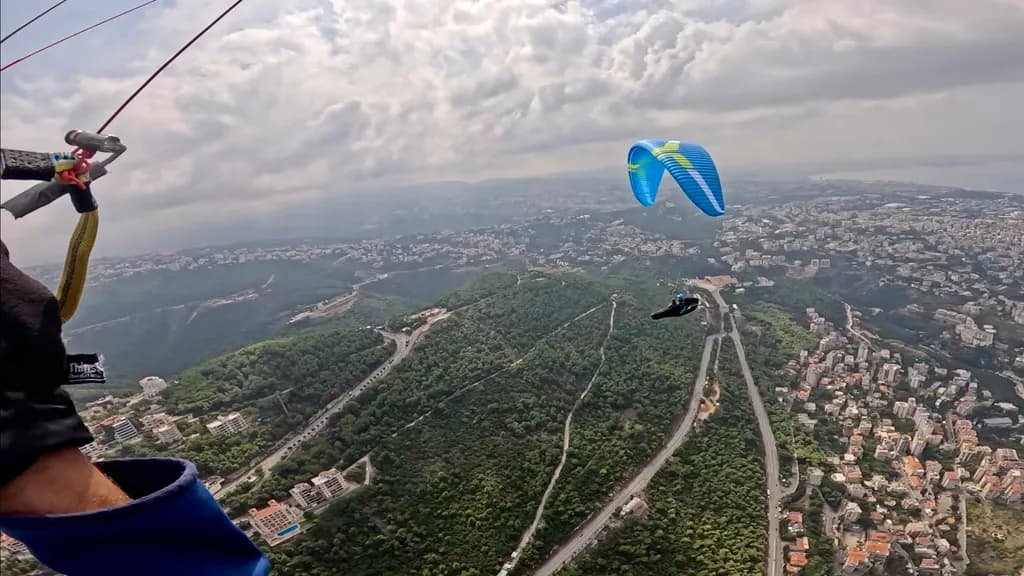
Ozone Zeolite 2 GT — The Lightweight Two-Liner That Stopped Dancing the Samba
The Zeolite 2 GT holds together two things that might seem at odds. It turns nimbly on a short, precise brake, yet it has shed its predecessor's ferocity and become easier to manage. But don't read "tamer" as beginner-friendly softness. This is a wing for the pilot with two seasons on a C two-liner who is now looking toward D, or for the competition pilot stepping down a notch. Even its surrender to the top-end D in strong air isn't a weakness — it's the honest boundary line this glider draws for itself. It comes close to the most complete balance a lightweight two-liner can reach: light, without ever trimming away the joy of flying.
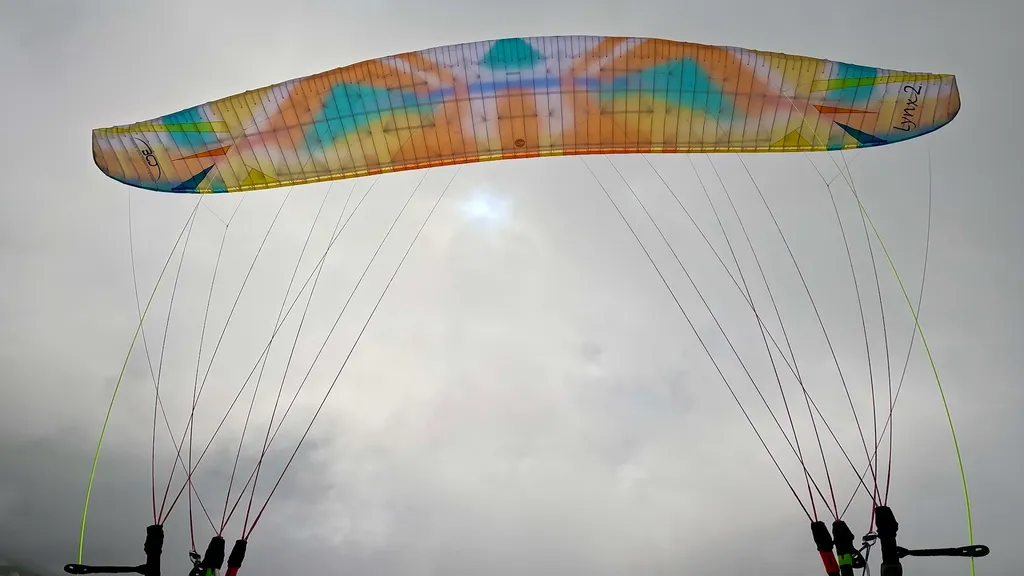
BGD Lynx 2 M — An All-Mountain EN-C Built on a 2.5-Liner
The Lynx 2's virtue is that it refused to compromise. It's light enough to carry up on foot, packs small, and still doesn't lose ground in glide next to the latest two-liners. Those three usually eat away at one another, but the 2.5-line layout found a balance point between them. That said, it doesn't change the fact that this is an EN-C. Being called light and easy to handle doesn't make it an entry-level wing. The agility to throw a 360 straight into a tight core is fully returned only to the pilot who can actively read and control the canopy. In the end, the Lynx 2 is an uncommon option for the C-class pilot who enjoys the mountains — one that cuts weight and bulk without conceding performance.
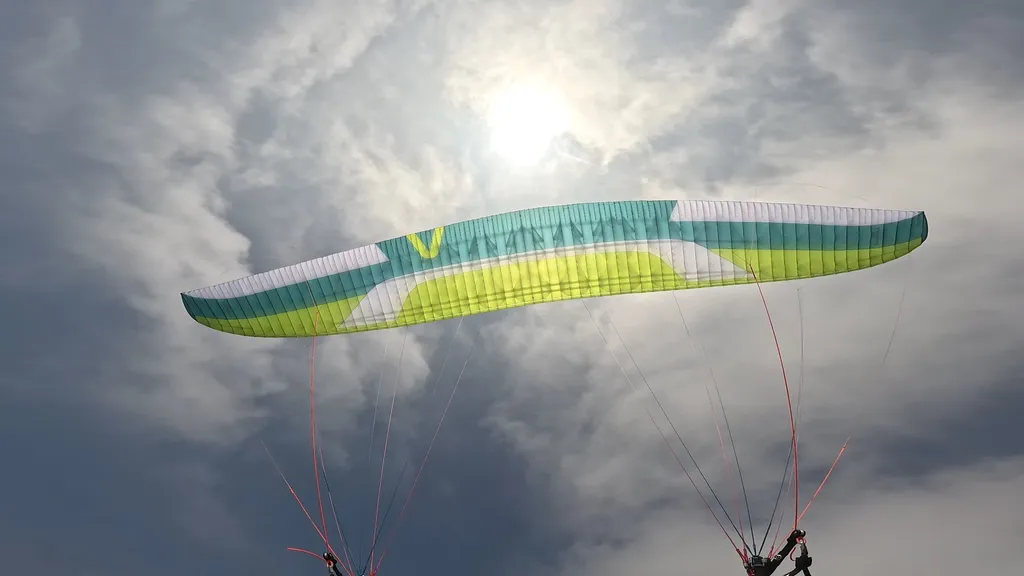
Skywalk Mint (75-95): A Fast, Agile EN-C for Pilots Graduating from the Cayenne
The strengths are unmistakable: shorter brake travel than the Cayenne, a firmer sense of canopy cohesion, and a glide that competes in the same league as the top-end C wings. Above all, the efficiency of passing through rough air without bouncing off it is the decisive factor in how tired you are at the end of a long flight. That efficiency comes with a condition: enough loading, and the skill to handle it. The efficiency comes alive near the top of the range, and the firm brake pressure of the first 10cm points in the same direction as the active input a 6.4 aspect ratio two-liner demands. The Mint is not a wing that coddles beginners — it answers, with speed and agility, the pilot who reads the canopy well enough to have graduated from the Cayenne.
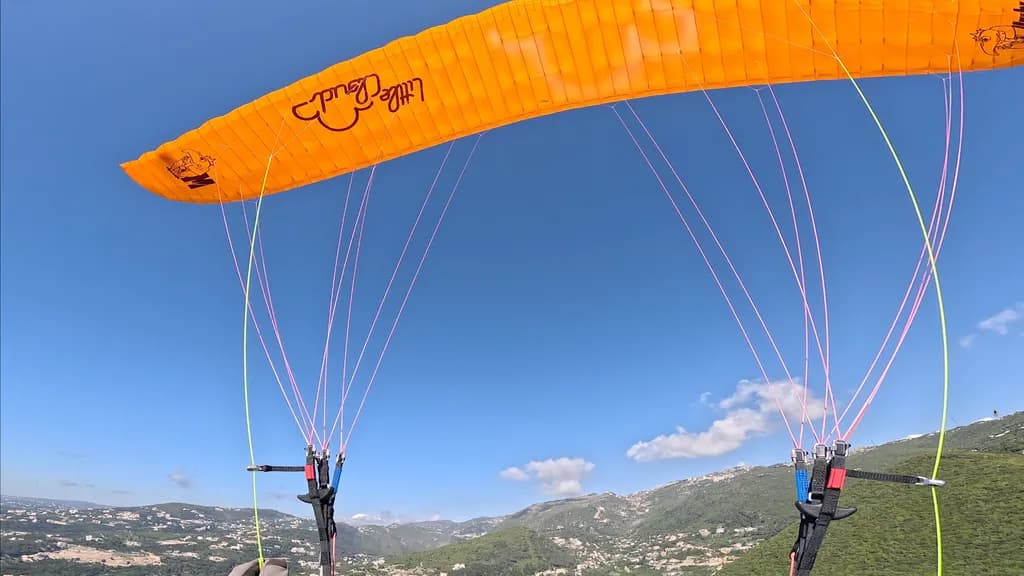
Little Cloud Urubu King M — A Muscle Car That Repays Every Bit You Tame
The Urubu King's strengths are clear without hesitation: glide that sticks tight to proven 3-liner C's, the float to catch light air and rise, and turns that take your intent exactly. That is why Bassil likened this wing to Eleanor. It is a machine with thrilling acceleration and pulsing response, but you have to be awake at the wheel to draw that power out. The weight of the metaphor sits in the back half. In strong thermals this glider asks for active control even by C-class standards. Being an uncertified designer tune means it chose pure behaviour over a smooth safety margin. So the Urubu King is not an easy glider; it is one that returns as much as the pilot who never lets go. For those chasing uncompromising feel it is a reward; for those after comfort it is a burden.
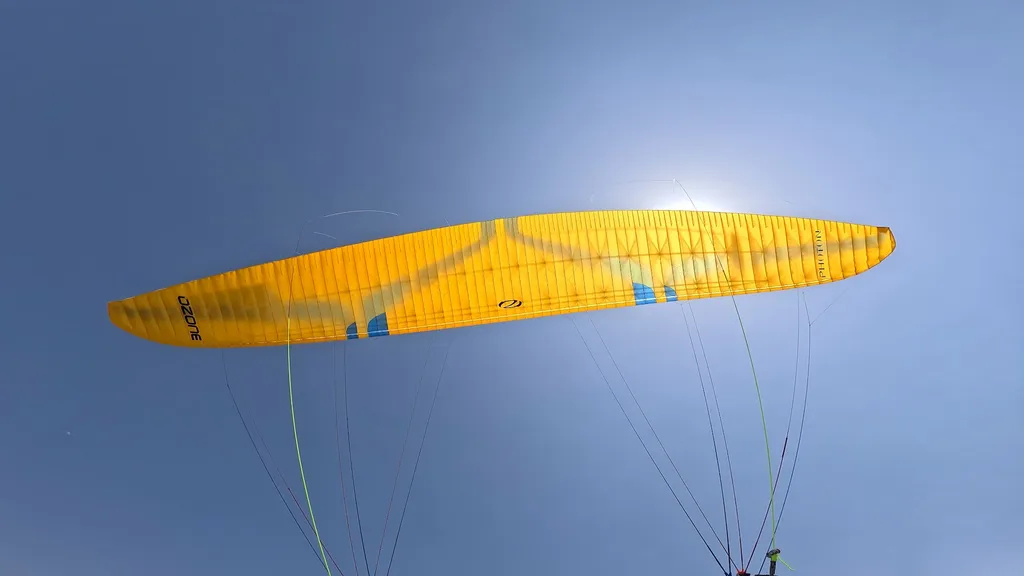
Ozone Photon MS — A C-Class Two-Liner That Speaks Through Its Glide
The Photon's strengths are clear. Its forward efficiency in driving through wind and its glide under acceleration are rare even one class up, and its persistence — never stalling out in tricky air — comes back to the XC pilot as real distance. The price is in the brake. The empty first 10 cm and the pressure in the trailing edge blur the fingertip feedback, which can frustrate a pilot who wants dynamic control. So the Photon isn't a wing you enjoy through immediate hand feel — it's a wing that pays you back in glide. If you were hoping for the sharp brake of the Zeno LM7, this points a different way. But for the pilot who tunes the connection with the BR3 and puts efficiency and glide first, it becomes a companion that pushes through wind all the way to the end.
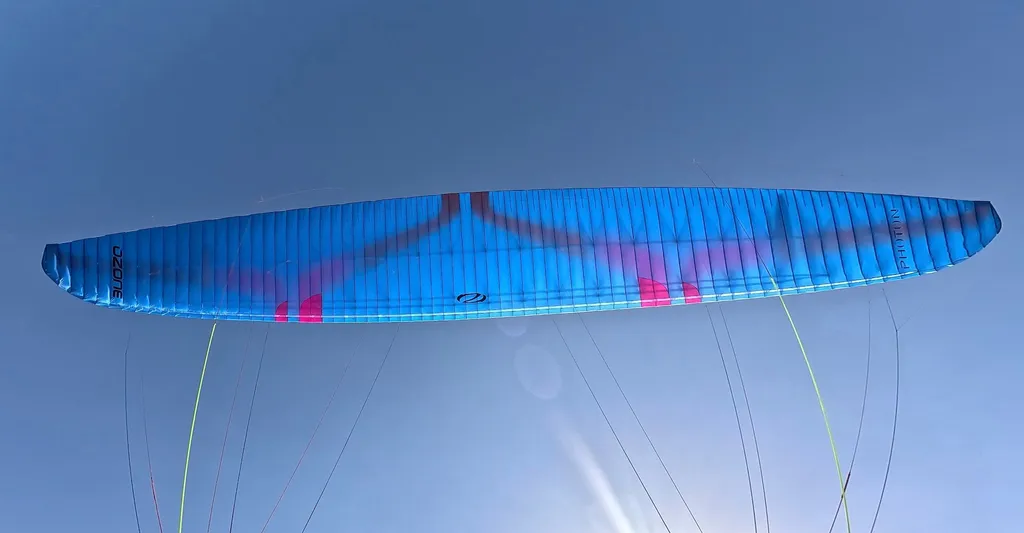
Ozone Photon ML — the calm two-liner C that wakes up on full ballast
The Photon's weapon is composure. Launch is polite in nil and strong wind alike, pitch and roll stay stable, and on the accelerated glide it clearly beats the Mantra 7. But the performance comes with a condition. At 100kg it couldn't catch the Zeno 2 in the core, and only with 104–105kg of ballast did climb and forward drive come alive together. A pilot who wants to enjoy it gently at light loading may find it a touch flat. The lighter you fly it, the more placid it feels; the heavier you load it, the more it rewards you. It suits the efficiency-minded XC pilot who wants calm behaviour and a glide that holds solid — and who is willing to push their own weight to the top of the range. Less a C that's easy for everyone, more a C that answers with efficiency for the pilot who loads it properly.
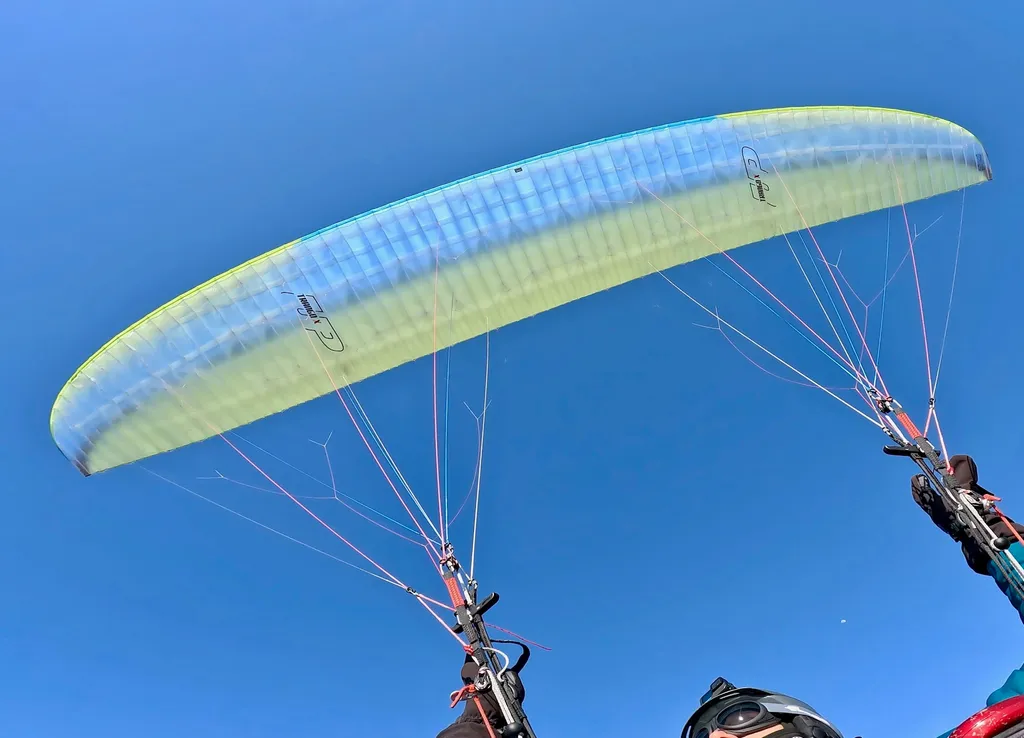
UP Trango-X: A 2.5-Liner Chasing Down the 2-Liners in EN-C
The Trango-X moves the place where the compromise sits. A 2.5-liner is usually read as landing somewhere between the glide efficiency of a 2-liner and the forgiving feel of a 3-liner. But the wing-tip-to-wing-tip glide comparison shows this one tucking in right next to the top 2-liners on glide. It keeps the handling and gives up almost nothing in efficiency. That conclusion comes with a condition, though. The linearity of the brakes and the climb rate in strong thermals both repay only the pilot who reads and uses that input precisely. So the Trango-X isn't a wing that pulls a beginner up to the next level — it's closer to a glider that shows a pilot who already knows how to compare glides wing tip to wing tip in the C class what the 2.5-line balance actually is.
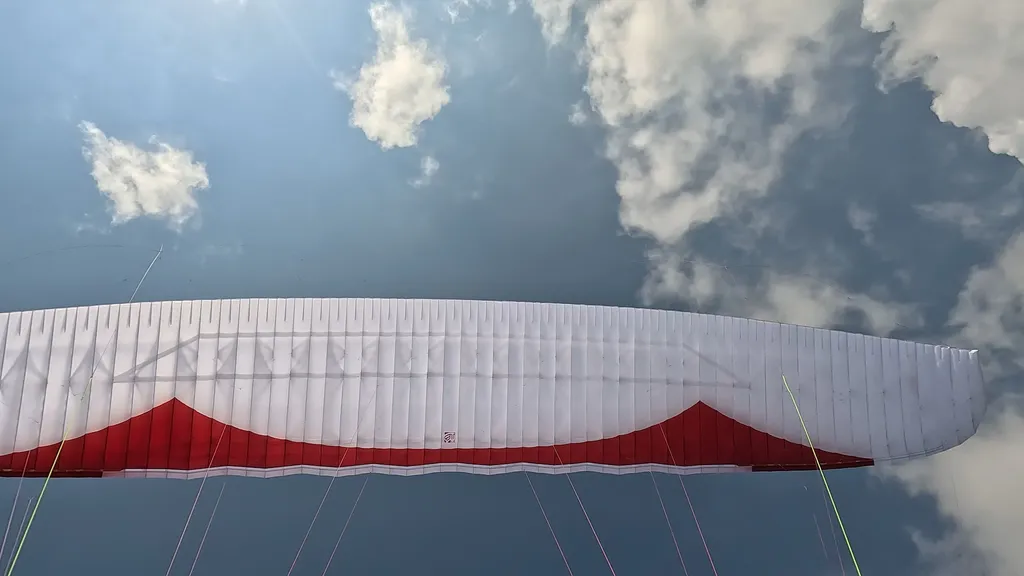
Gin Bonanza 3 S — A 2-Liner EN-C That Welcomes Newcomers
The Bonanza 3's strengths are clear. It stays comfortable in rough air without excessive feedback, gives warning right before the limit, and floats up with top-tier efficiency in weak air. Yet there is one point Bassil deliberately repeats: this is not a high-B. Being easy to handle does not mean the class can be taken lightly. For a low-B pilot, he is explicit that crossing over after a season or two on a high-B is the safe evolution. So the Bonanza 3 is less a wing that made the EN-C easy than a wing that welcomes a pilot just stepping into EN-C without intimidating them. For the C pilot who wants 2-liner glide but doesn't want to be buried under too much information, this wave leading edge becomes the most welcoming doorway.
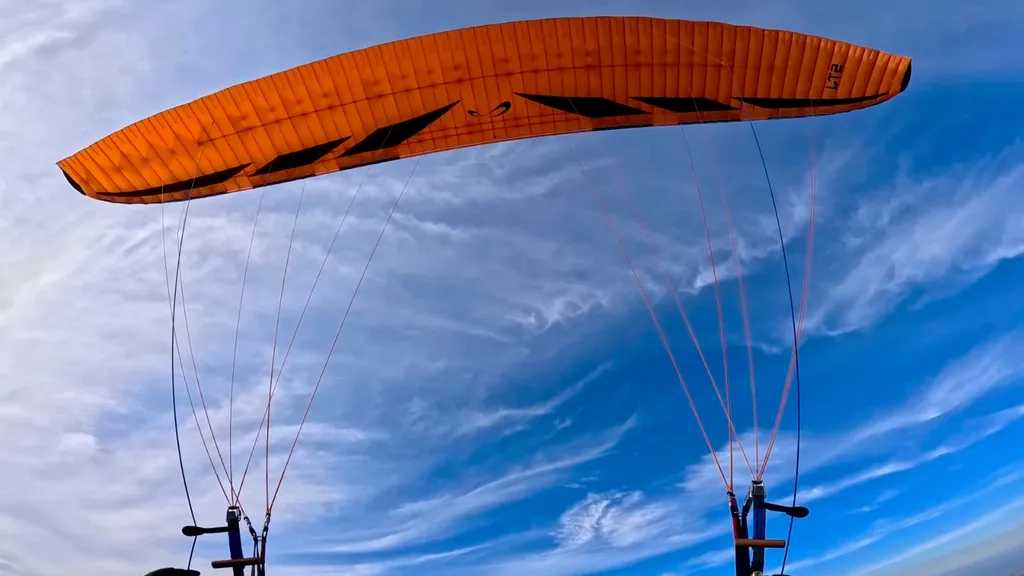
SOL LT 2 — A Two-Liner Built to Claim the C-Class Glide Throne
The LT 2's strengths are unmistakable. Its float in weak thermals and its glide angle on bar push past C-class expectations and step into the territory of the class above. But that glide is not free. The two-liner structure, the somewhat heavy cloth, the 12 cm of brake travel, and the setting that recommends loading toward the top of the range all assume a pilot who knows how to converse actively with the wing. Even big ears keep pressure in the tips and need a firm pull to fold, and the pilot has to lend a hand to reopen them. So the LT 2 is not a wing that rewards you with feel or agility. It is a wing that pays back in glide itself: floating alone on weak days when others sink, and sliding farther the moment you push the bar. The throne of C-class glide, in the end, opens only to the pilot who knows how to use that glide to the very last.
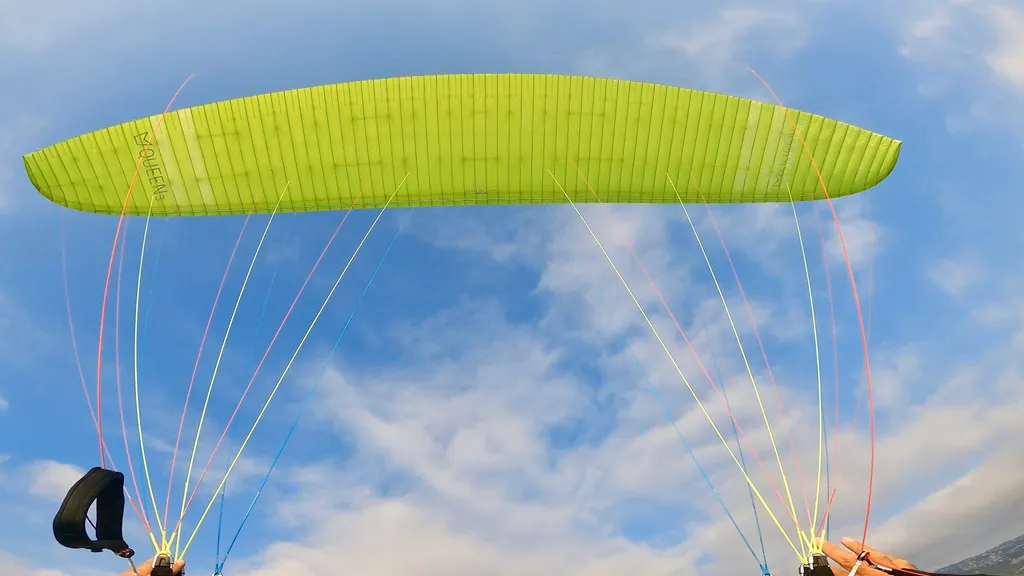
Triple Seven Queen 3 (SM): A C That Stays on the Safe Side of the Class
Because of its position on "the safe side," the Queen 3 is easy to mistake for an easy wing. Its composure in weak thermals, its gentler behaviour than the Queen 2, and its conservative coordinates within the C class genuinely lower the threshold to entry. Yet one line from Bassil unsettles that impression: a small collapse appeared under acceleration, and being faster and more alive than its predecessor, it asks for about 35% more control input. On top of that, this wing wakes up not at 90 but at 95, once the wing loading is filled. So the Queen 3 isn't a "comfortable C" — it's a "C that stands on the safe side." When a pilot who has completed a season on the Rook 3 wants to move up a class without taking on more risk, it honestly returns as much performance as you are ready to fly actively.
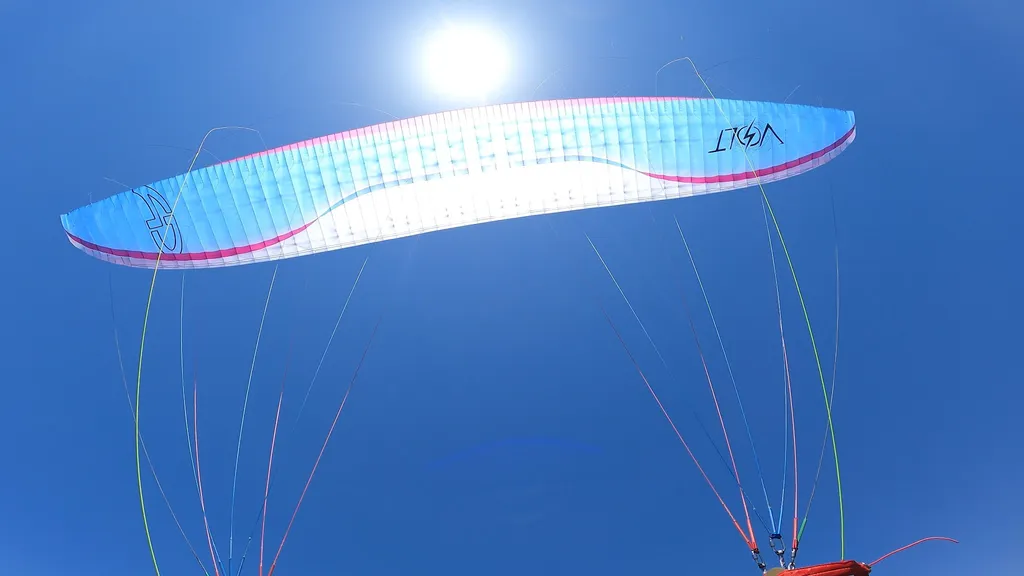
Air Design VOLT 4: A Real Two-Liner C, Not a Detuned Three-Liner
The appeal of the VOLT 4 is clear. It delivers two-liner glide efficiency and short, direct handling in a C, without giving up accessibility or docility. There is one condition attached. Carry over the weight habits of the three-liner era and this wing shows you only half of itself. Fly it light and the weight sits too far back, dulling it in weak thermals; fill it to maximum and the centre of gravity moves forward, bringing it alive even in light air. So the VOLT 4 is not a C you float up lightly and ride in comfort. It's a C that returns its glide in full to the pilot who knows how to fill it precisely to the top of the range.
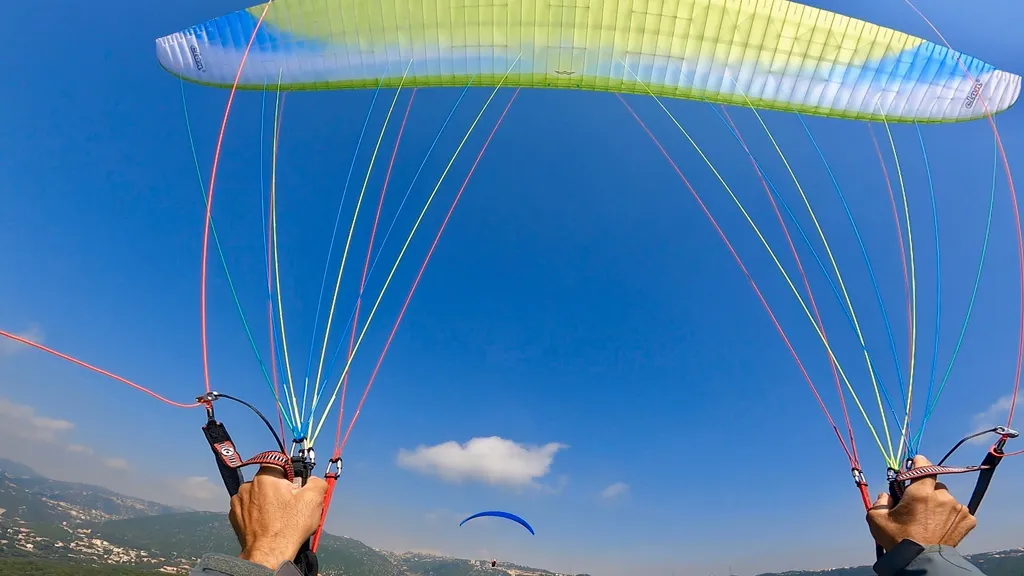
MacPara Elan 3 — A Solid C That Feels Like the Class Above
The Elan 3's strengths are clear. It turns even the faintest air movement into lift, ranks among the best glides in today's C class, and the more the air moves the closer its efficiency comes to a wing a full grade higher. For a pilot coming down from a D who wants to keep that sharp, alive feel while recovering the passive safety of a C, this wing is especially convincing. But the reward comes with conditions. Brake pressure is moderate, and the C-riser work needed to hold the canopy overhead in turbulence is somewhat stiff. The Elan 3 is not a wing that flies itself in comfort. It rewards the pilot who reads the moving air first and puts in the input a step ahead — and to that pilot it hands back the efficiency of the class above.
Little Cloud Puffin 16: A Pro Go-Kart for Strong Wind
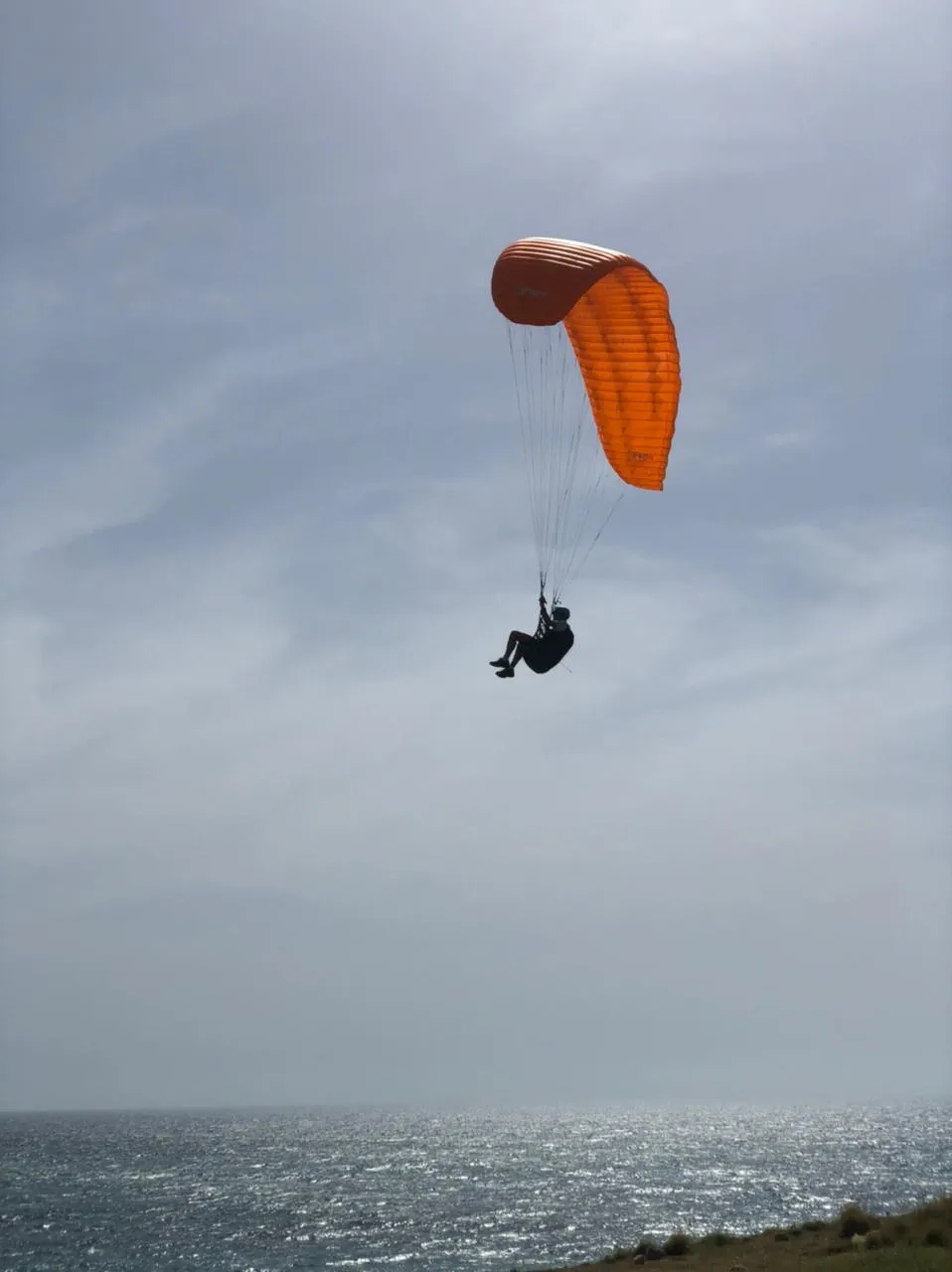
The Puffin 16's strength is clear-cut. The 40–45 km/h days that send every other wing home — even Bassil's beloved Axesse Zunzun 21 — this wing hands back to you as real airtime. Even on a 20-to-30-metre site, as long as the wind holds, you can kite and fly and play for hours. It is exactly what Bassil meant when he said he never gets tired of it. That pleasure comes at a price. The Puffin assumes constant, wide-awake active piloting that forgives no lapse of attention. A dynamic brake input comes straight back as a dive, and wind over 40 km/h is, in itself, not a site but a hazard for an inexperienced pilot. So this is not an all-rounder but something closer to a specialist tool — one that turns the days others fold up and call unflyable into a playground. Inside that narrow, fierce window, few wings wake a pilot's reflexes the way the Puffin does, and give back as much in return.
SKYMAN CrossAlps 2: A Light EN-C That Tames Its Aspect Ratio
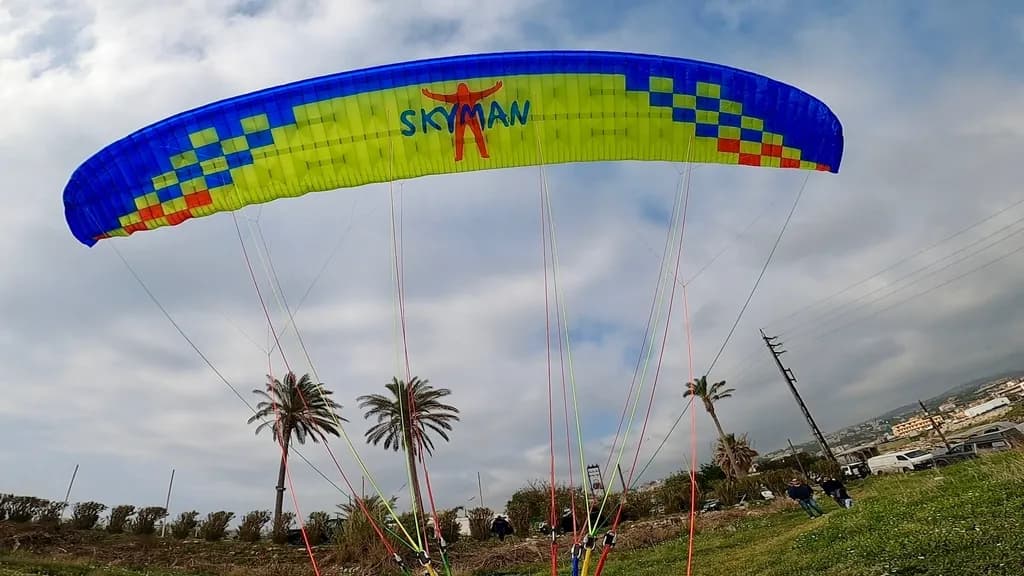
The achievement of the CrossAlps 2 is that it leaves the 6.5 aspect ratio untouched while shedding a great deal of the piloting workload. The brake authority has become smoother and less sharp ("The authority on the brakes is also smoother, less sharp, more forgiving."), and the result is longer flights at some 60% less workload than the first version. This is not a wing softened by giving up performance. It keeps the same C-class performance intact and only reduces the effort it takes to use it, carrying that across a generation. The cost shows up in the descent. With only two A-risers, the big ears taken on the outer A open wide and unstable, and are hard to hold ("unstable and a bit difficult to maintain"). On a wing aimed at alpine and cross-country flying, a rapid-descent tool that has actually gone backwards is not a detail to wave away. In the end the CrossAlps 2 offers a clear reward to the pilot who stays up long and flies far, but leaves a moment's burden when altitude has to be dumped in a hurry.
Advance Sigma 11 — Less Spice, More Solid: A Calmer High-Performance C
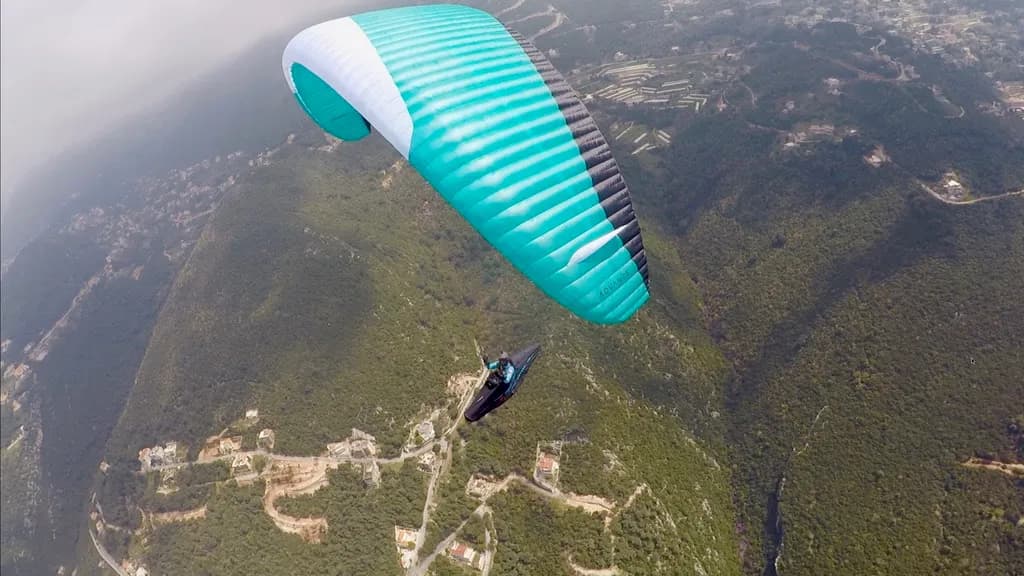
The S11's strengths are plain. It holds glide and climb on par with the best of the C class, while winding in faster on less brake than the S10 and damping roll far more. It is a more solid wing than its predecessor, and easier to manage overall. That ease isn't free. Bassil notes that the S11's feedback is slightly reduced compared to the S10 — some of the fingertip sensitivity that read the air has been traded for stability. The size 22 still asks for active piloting in rough weather. So reading the S11 as "an easier C" would be a mistake. It has you use less brake and hands back more glide, but in the end it simply delivers the same performance more quietly — it does not lift the responsibility of the C class off the pilot's shoulders.
Ozone Alpina 4 (S·MS) — Delta 4 Performance, With a Softer Feel
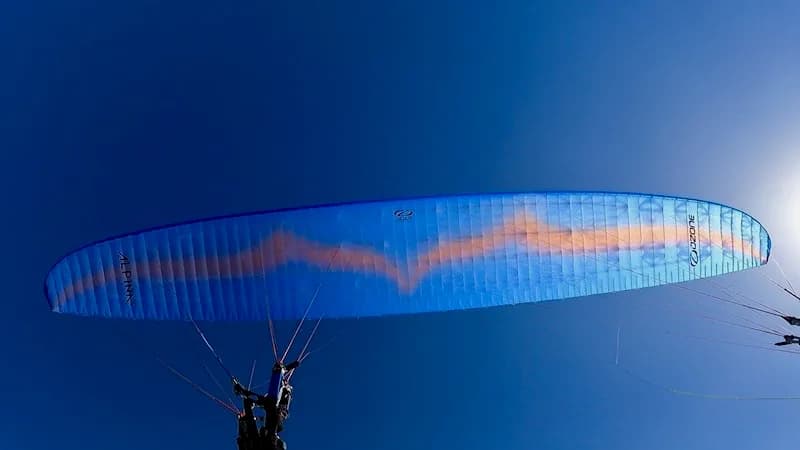
What the Alpina 4 offers is clear. It inherits the Delta 4's performance intact, then adds a launch that comes up better, a gentler brake, and clearer feedback in rough air. It is the same wing, honed to be easier to handle. But that gain is only what Bassil himself called "small but noticeable," and it comes out of thinner, correspondingly more delicate cloth. Choosing the Alpina 4 over the Delta 4 is not a choice to raise performance. It's a trade: give up a little durability and price, and get a wing that comes up more easily and reads more honestly. For the pilot who carries a load up the mountain, or who puts the conversation at the fingertips ahead of the performance figures, that trade is well worth it.
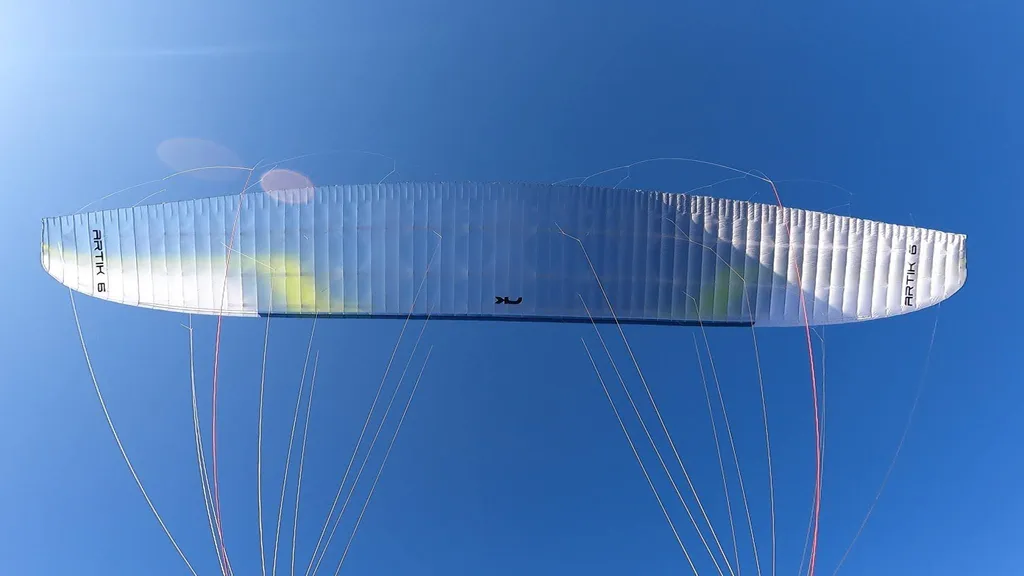
Niviuk Artik 6 — The Most Complete EN-C
Scoring it 9/10 across every category, Bassil calls the Artik 6 the "best Artik ever" and the most complete C on the market. The turn is as crisp as a wing a class below, yet the top speed sits level with the Ozone Delta 4 — meaning nothing was shaved on one side to raise the other. That completeness, however, does not make it "an easy wing for anyone." There is a reason he specifically suggests testing it at around 85% of the weight range. The sharp turn and the full-bar glide only pay off in full for the pilot who knows how to command them. So the Artik 6 is less a wing that cradles the pilot than a finished XC glider — one that removes any reason to keep shopping in its class.
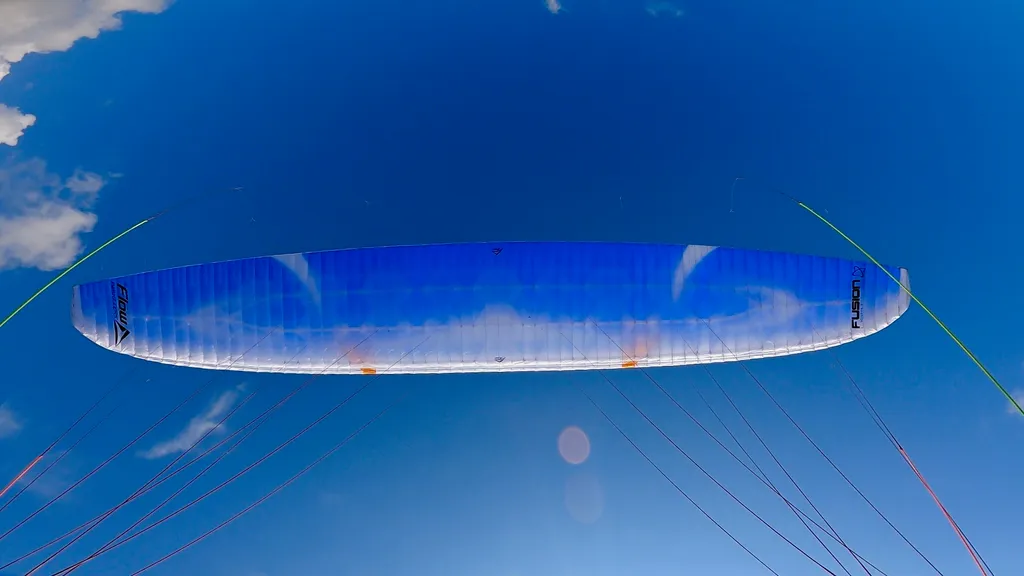
FLOW Fusion Light S — A High-Performance EN-C That Asks Less of You
The Fusion Light S's strengths are clear. It's a 6.3 AR high-performance C whose control burden is lighter than the Cure 2 or Artik 5, with climb near the top of the category. But there's a condition attached to the word "easy" here. It doesn't mean the wing forgives a pilot fresh off a B; it means the control cost the pilot pays is low compared with competing wings in the same performance class. The glide isn't finished either — the more the C-risers become second nature, the more it gives. In the end this isn't an easy C, but a wing that returns more pleasure than the effort you put in, provided you're ready to handle what a C can do.
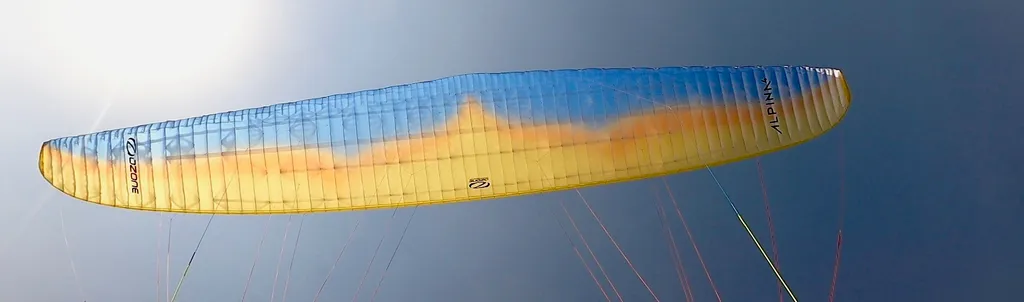
OZONE Alpina 4 ML — Lightweight Cloth Refines the Delta 4's Performance
The Alpina 4's worth is clear. It inherits the Delta 4's glide, speed and big ears with no loss, and the lightweight cloth layers on a more homogeneous, gentler feel and a hang-free launch. That the climb entry didn't come apart at the bottom of the range, 98kg, is especially welcome in this size. None of this softens what it fundamentally is — a high-end C at aspect ratio 6. Going lighter didn't make it more forgiving; it simply lets the same performance read more smoothly at your fingertips. So the Alpina 4 is not a wing that shelters beginners. It's closer to a wing that hands the Delta 4's performance back, in a more comfortable feel, to a pilot who already flies a C-class actively.
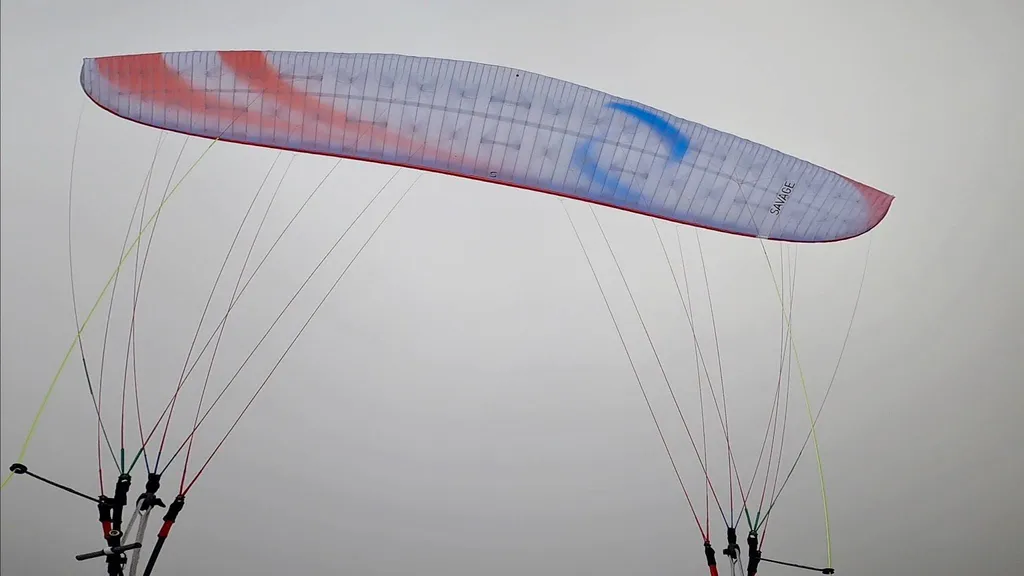
Supair Savage — A Light EN-C That Reaches the Top of Its Class on Glide
The Savage's strength is unmistakable. Even with a modest 11 km/h over trim, it stands shoulder to shoulder with the very best EN-C wings on glide and in weak-lift climb. And for a 6.5 aspect ratio, it behaves gently. That gentleness, though, is only gentle within the world of high-performance light C wings. The brakes are middling rather than sharp, and the advantage comes not from agile turning but from a glide efficiency that reads and holds a weak core. This is not a wing for a pilot looking for an easy C. Flown for glide by a pilot who already knows how to handle a high-aspect performance wing, the Savage gives back exactly that much distance.
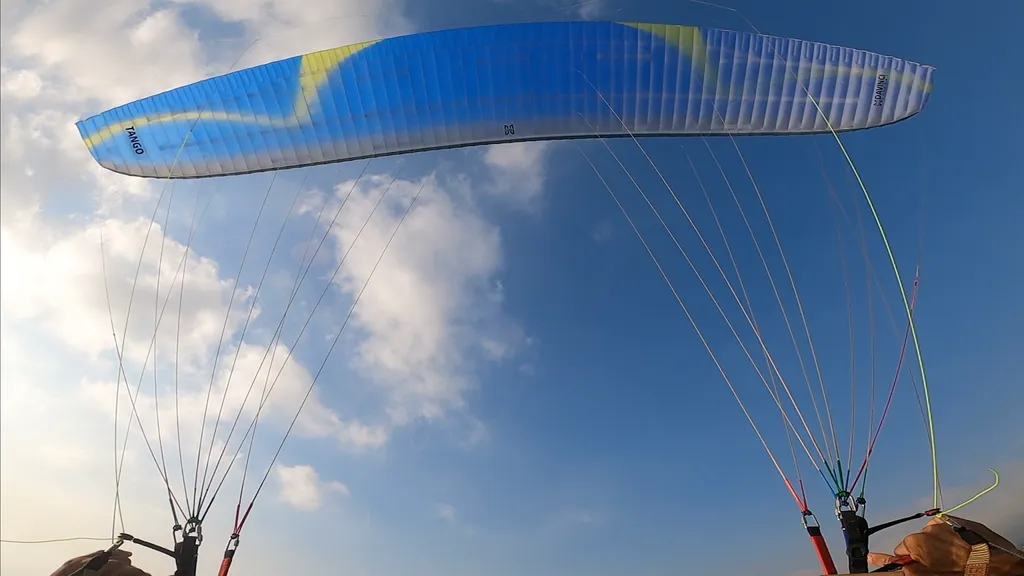
DaVinci Tango: A B-Class Launch, Top-Tier C-Class Glide
The Tango's appeal lies in a balance that lowers the barrier to entry while raising the performance ceiling. The launch is as easy as a B, the glide sits near the top of the C class, and the light-air climb keeps pace with the class benchmark. Don't mistake that ease for an "easy C," though. The Tango only shows its full hand when loaded heavily, and a 6.3 aspect ratio demands active piloting in proportion to that load. As forgiving as it is on the ground, in the air it wants the pilot's hands. For a pilot ready to load it up and fly it hard, the Tango answers that commitment with top-of-class glide.
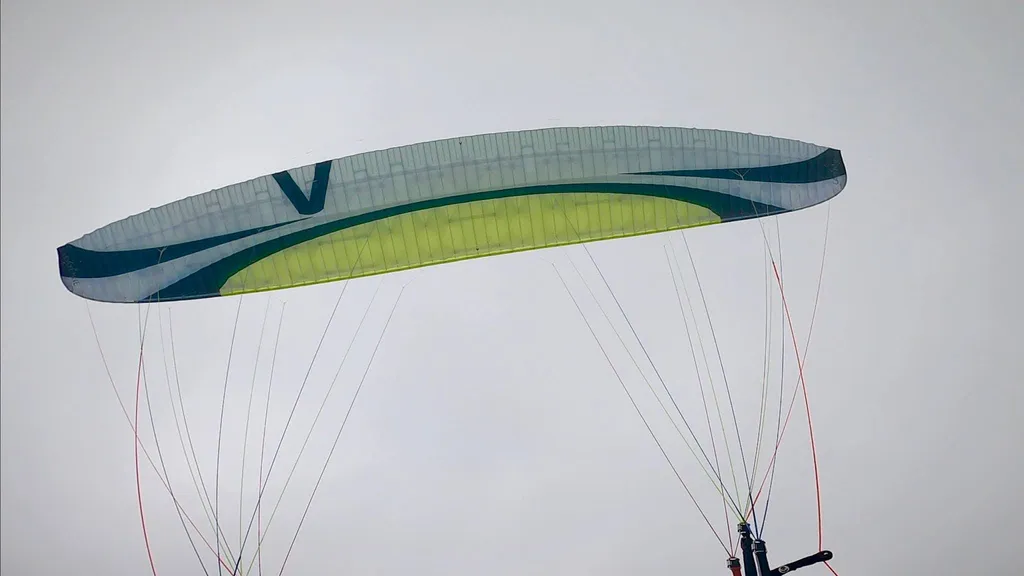
Skywalk Cayenne 6 XS — Less Spice, More Glide
The C6's strengths are clear. The glide angle has improved and the behaviour has softened, making it well suited to XC flying that pushes long distances in comfort. But expect it only as a successor to the C5 and you will be disappointed. The C5's spicy, direct feel has been deliberately erased in the C6, and the glide that replaced it pays off fully only for the pilot chasing distance rather than agility. So the C6 is less an upgrade of the C5 than a wing that changed the very pilot the Cayenne name is aimed at. If you want to talk to your wing in the core, choose the C5; if you want to push far all day, choose the C6.
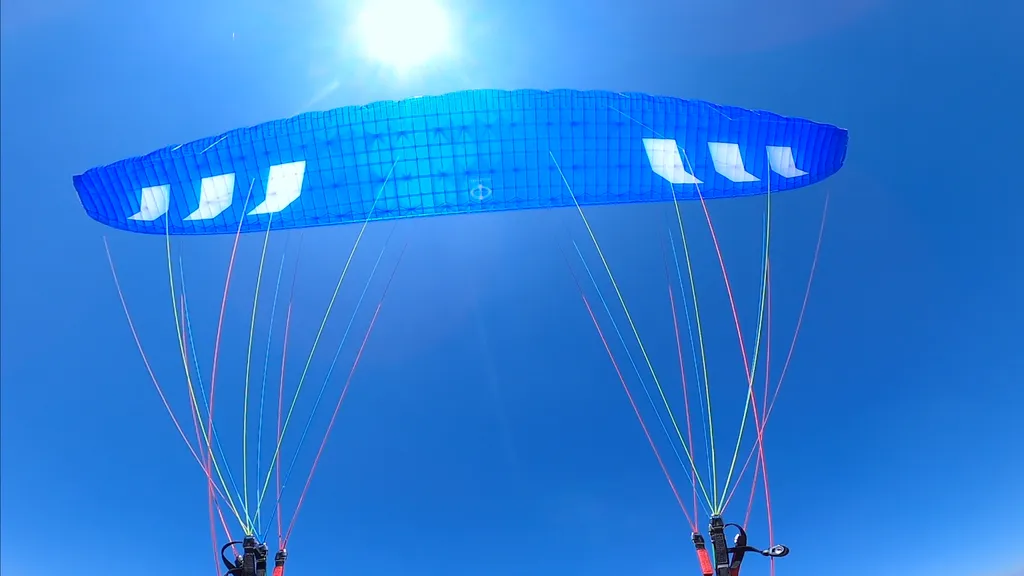
PHI Allegro M — An Agile EN-C Built on a Low Aspect Ratio
What makes the Allegro interesting is that it inverts the usual design math. Lowering the aspect ratio normally means giving up glide, yet this wing holds onto Cure 2-class glide while banking handling and brake authority in return. It's a rare balance — a wing that refuses to pick just one side of the performance-versus-manageability trade. That doesn't make it an "easy C," though. An EN-C is still a C, and the Allegro's strength isn't a beginner's safety margin but feedback that comes straight back to your fingertips. It's closer to an uncommon on-ramp: a way for a pilot who has thoroughly learned the Maestro to step into C-class performance without being intimidated by an aspect-ratio number.
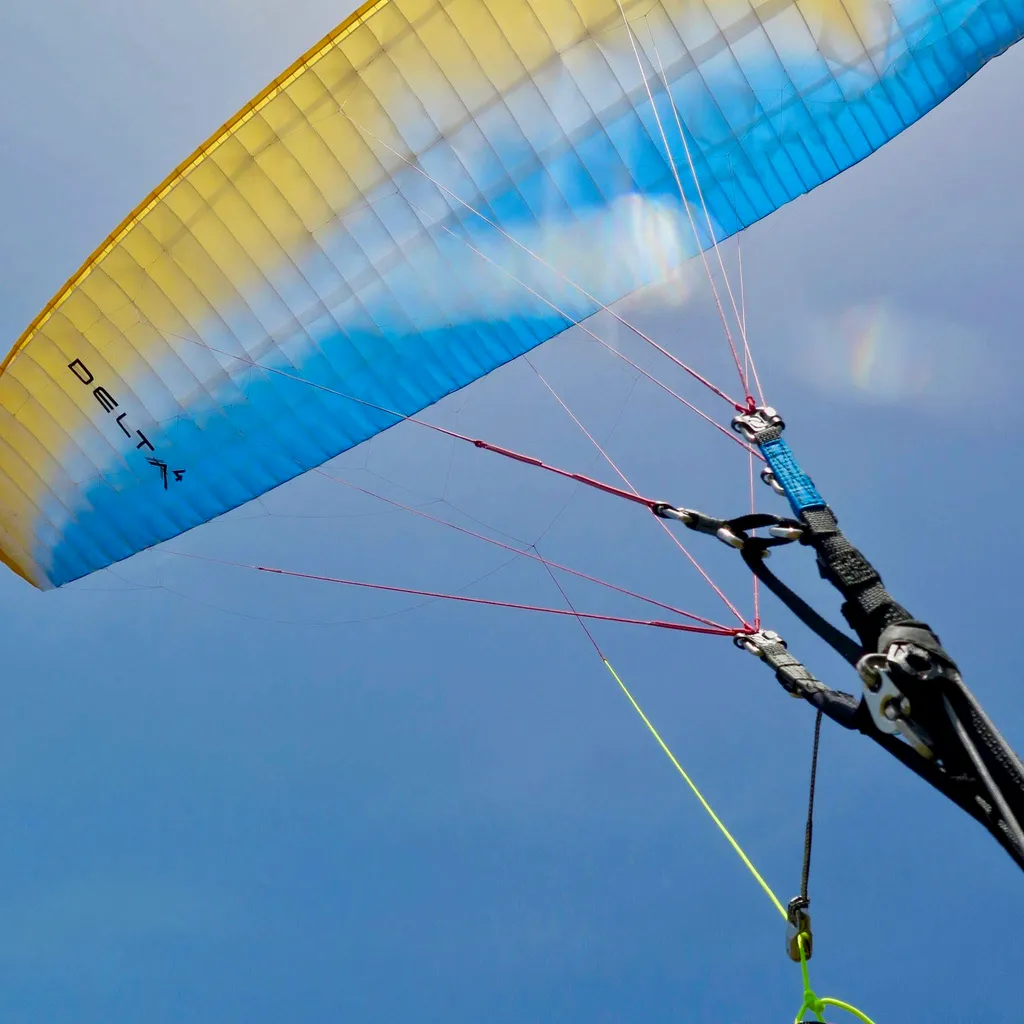
Ozone Delta 4: An EN-C That Never Trades Comfort for Glide
The virtue of the Delta 4 is that it never gives up one thing to gain another. It doesn't shave glide to buy comfort, and it doesn't spill its rough-air stability chasing glide. That's why Bassil calls it a finished package. But comfortable is not the same as undemanding. The reach that lets it threaten the two-liner Mantra 7 on full bar still assumes an EN-C pilot's hands. This isn't a wing that's easy, so you keep it long — it's a wing that hands back its performance more comfortably the harder you push, so you want to keep flying it. The decision not to chase the aspect-ratio number is exactly what produced that.
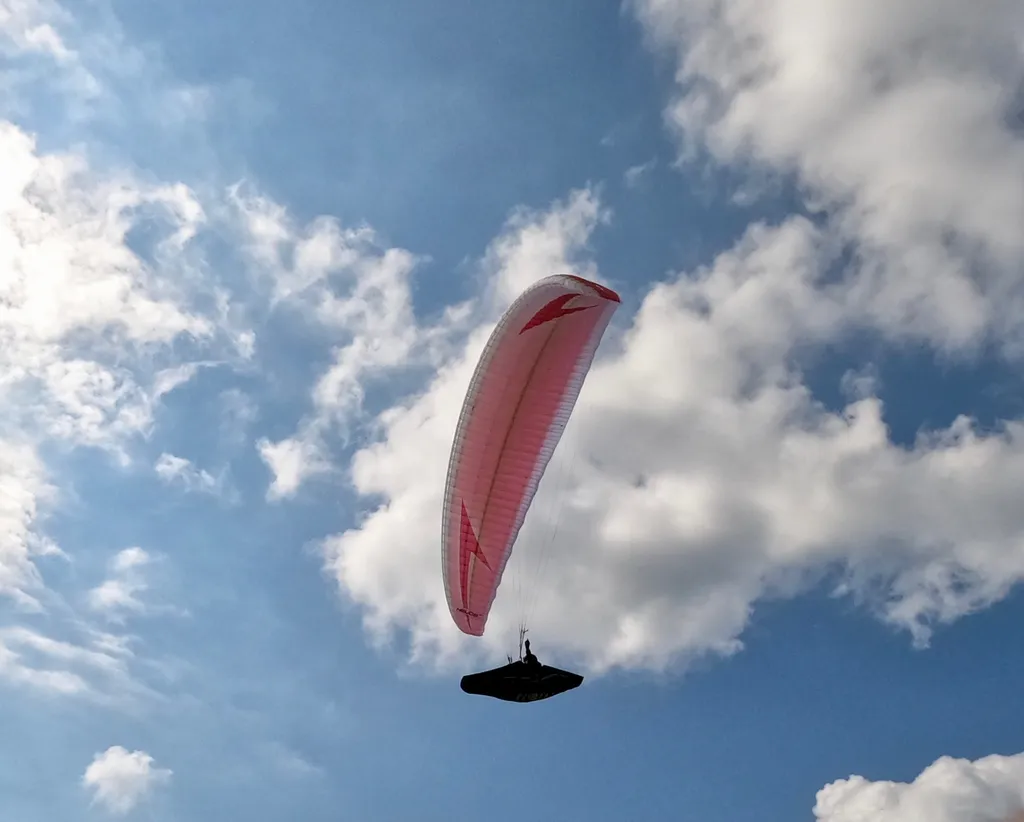
Swing Helios — C-Class Feel at a Mid-B Doorstep
The Helios's strength is clear. It gives you the glide and the flying feel of a C outright, while keeping launch, brakes and behaviour in rough air as forgiving as a class below. For a pilot who has graduated from high-B and is weighing the next wing, a C with this little barrier to entry is rare. Of course, that generosity doesn't mean it does everything. An aspect ratio of 6 is still a C skeleton, so it doesn't float unusually well in light air, and the glide sits in the front half of the class rather than at its very top. If you want the peak of performance, look at the Agera RS that Bassil flew first. What the Helios opens isn't the summit but the door — and it holds that door into the world of C open from the lowest step.
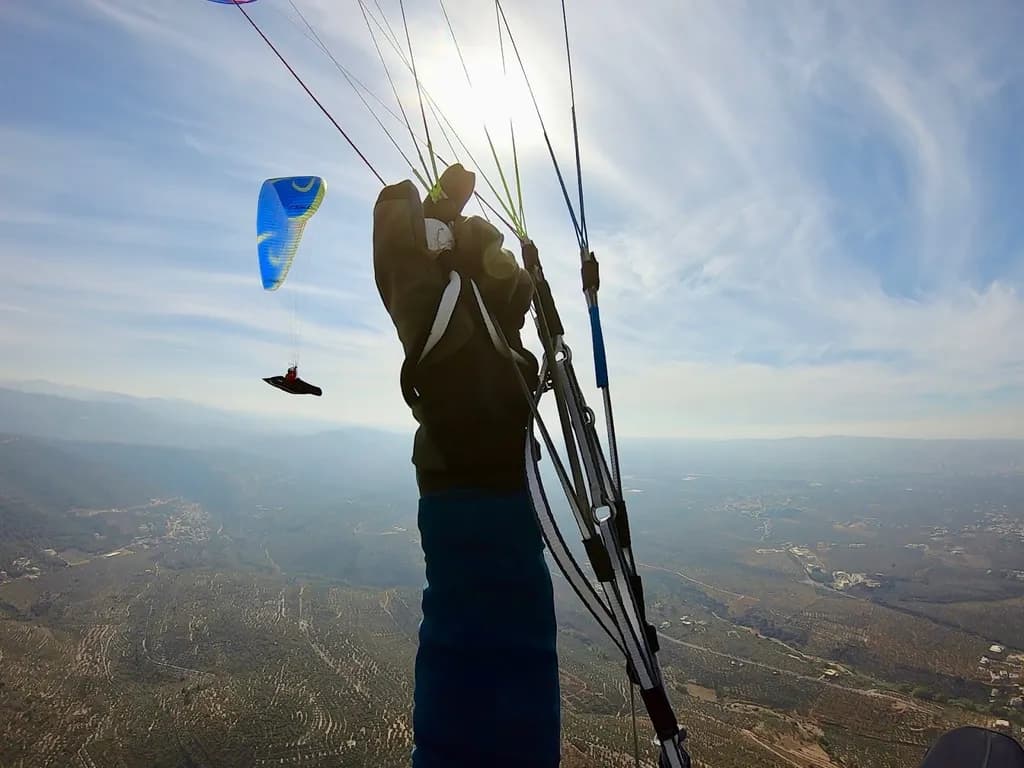
FLOW Fusion M — Upper-B Comfort, C-Class Glide
The Fusion's strength is unmistakable. Glided side by side with C and D references, its trim glide angle came out best of the lot — and it delivers that glide with comfort close to an upper B. Pitch barely moves, so in rough air it doesn't shake the pilot first. The trade is agility, which stays at "average." If you want the knife-edge feel of carving a tight core or a playful, reactive wing, this isn't it. What the Fusion gives back isn't the pleasure of handling but efficiency. So it reads less as an "easy C" and more as a glider that converts comfort into distance — a wing that lets a solid upper-B pilot take one step up to C without ratcheting up the tension.
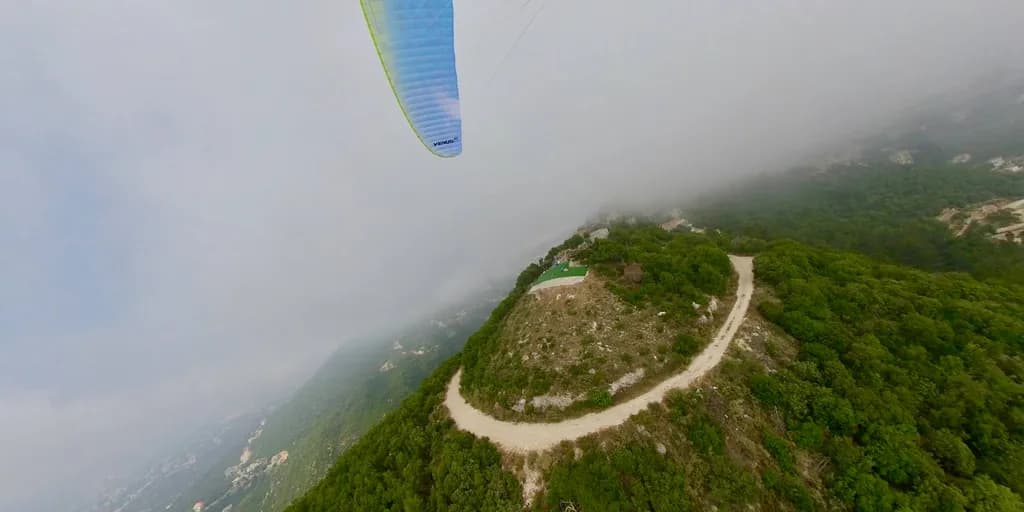
Axis Venus SC (S) — Axis at Its Best, But It Picks Its Pilot
Glide and climb both sit at the top of the C class, and the turn is finer than an aspect ratio of 6.6 has any right to be. Read only that far and this is a well-honed XC machine. The condition attaches when the air gets active. In turbulence this wing moves on its own in yaw and roll, and it does not leave the pilot room to look away. Being as agile as an Artik 5 does not mean asking for the same level of attention. For a pilot who can read the air, the Venus SC gives everything it has. The long, efficient XC follows from there.
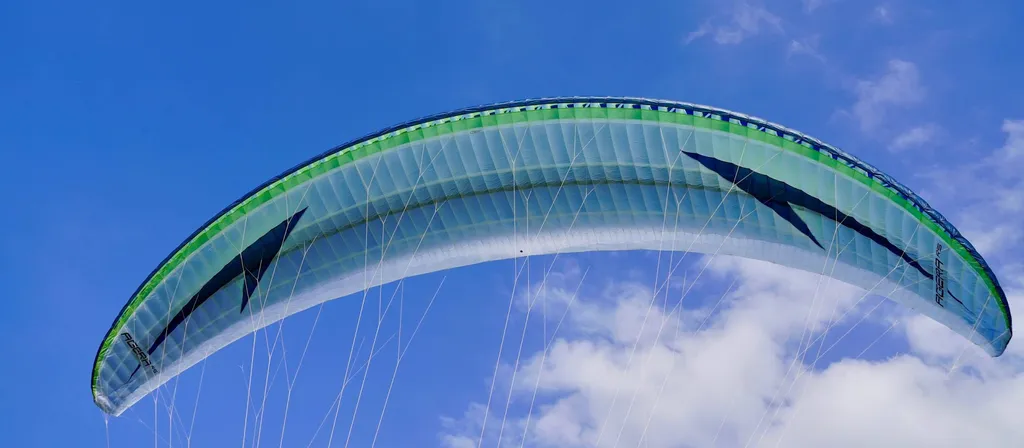
Swing Agera RS (SM) — The Best Glide in the C Class, Paid For in Precision
The case for the Agera RS is clear. Wings that carry a C certification and glide like the class above are rare, and the climb in strong cores is enough to make that glide usable in the real world. The pilot pays for it. A wing that turns on the smallest input also bleeds energy through a turn, and deep brake leads to a mild spin. In weak lift, the Artik 5 and the Delta 3 find it first. This is a glider that trades comfort for hands. Fly it on a good day, with smooth and precise inputs already second nature, and it pays you back in glide.
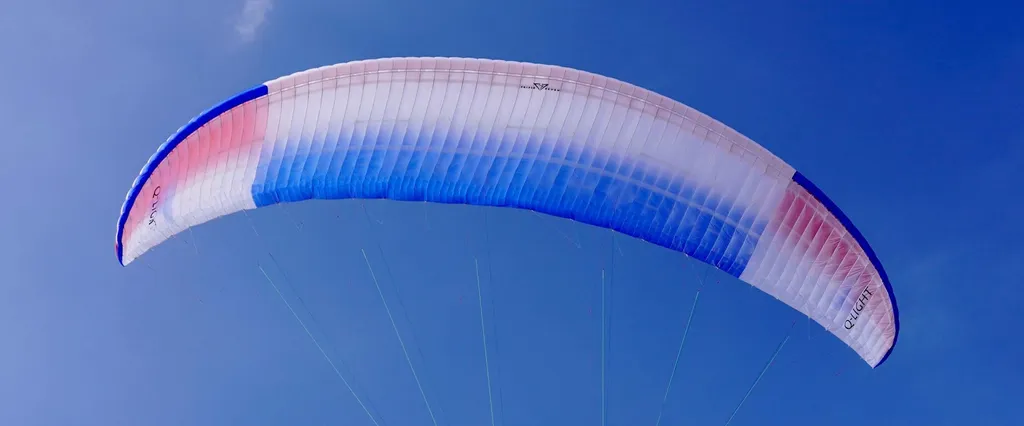
Ozone Queen 2 Light S — Sport-Class Performance at Hike-and-Fly Weight
Going light usually comes at a price. Less cloth makes the climb up the hill easier, and you pay for it in glide. What makes the Queen 2 Light S unusual is that it never pays. A 4kg wing held its glide next to an Artik 5 24 loaded to the top, and matched the Alpina 3 S in both faint lift and strong cores. Still, it would be a mistake to read it as an easy C simply because it is light. Light brakes and agile response also mean the pilot's hands go straight into the wing. For a pilot ready for the active flying an EN-C demands, this is a rare chance to have both a light pack and competition performance. This is not a wing that shed performance to be carried uphill. It is a wing for the pilot who intends to walk up and then race.
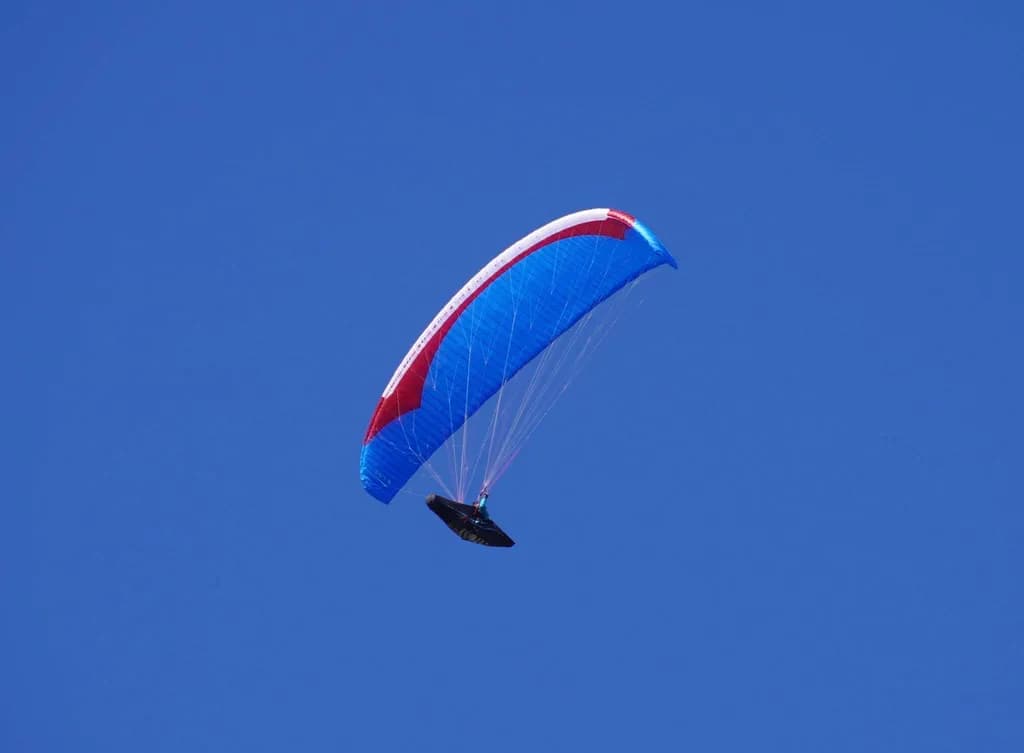
Gin Bonanza 2 S: The EN-C That Wins on Balance
The Bonanza 2's strength isn't a sharp peak in any one column — it's an even height across all of them. It climbs with the Artik 5 and runs slightly ahead of the Alpina 3, yet never asks the pilot to stay tense. The long brake travel and the mild launch say the same thing about its temperament. That balance, though, is only complete when the wing is properly loaded. Fly it light and all you keep is the comfort: the information coming up through your fingertips dulls, and so does the bite needed to carve a core. This is an EN-C that shows its real face only to pilots ready to carry the top of the range.
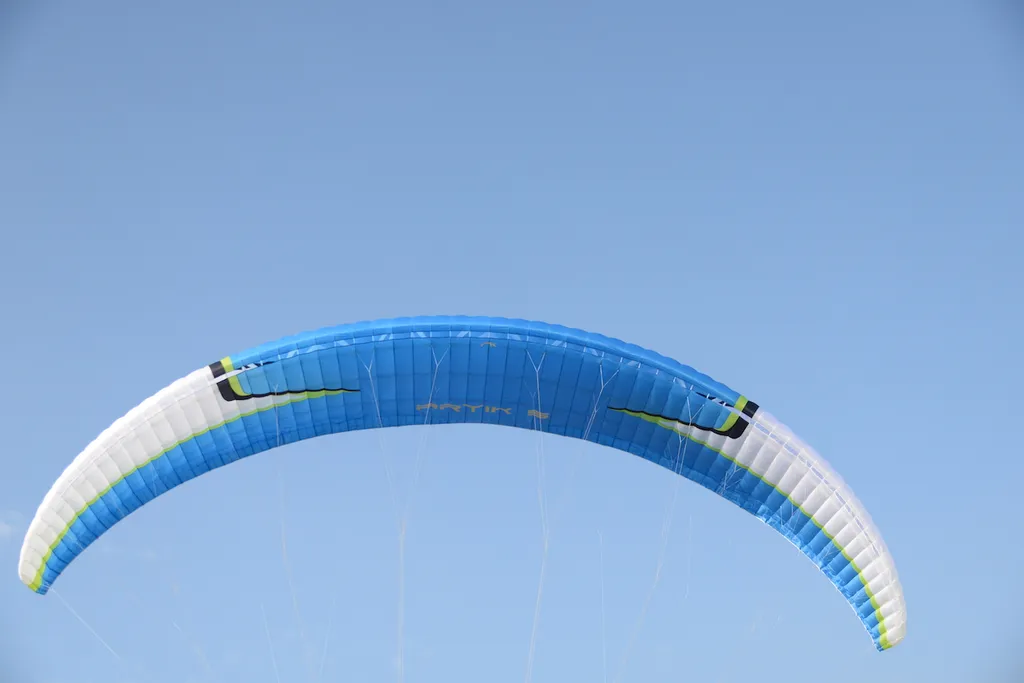
Niviuk Artik 5 (24) — The EN-C That Stays Quiet Overhead
The Artik 5's virtue is quietness. In turbulence the canopy stays packed together overhead, and it asks less of your hands than the Alpina 3 MS or the Sector XS. Low workload changes the back half of a long XC. And since the glide angle is also top of the class, comfort here wasn't bought by giving up performance. Comfortable is not the same as easy, though. Managing it in strong air takes a competent high-end C pilot, and getting properly into a core means loading it toward the top of the range. This wing doesn't lower the conditions for you. It gives back the capacity you would otherwise spend on the canopy — and it only pays off for a pilot who knows where to spend it.
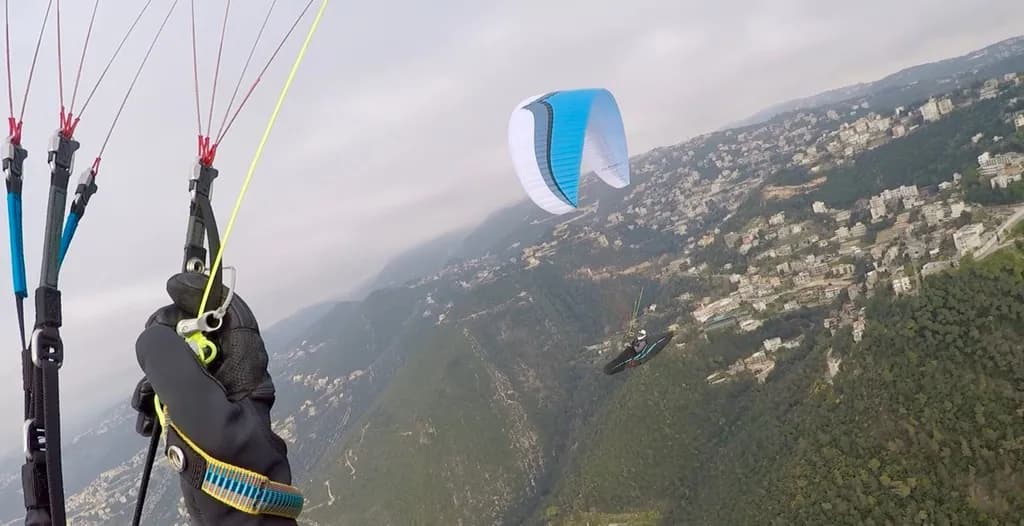
Ozone Alpina 3 MS — Delta 3 Performance, With Lighter Brakes
What the Alpina 3 changed is not the performance itself but the cost of using it. The glide and the climb match the Delta 3, yet the brakes are lighter and the handling is more precise. In the last hour of a six-hour XC, what governs your decisions is the strength left in your arms. The trade is that a gentle wing is a quiet one. Under a canopy that signals about half as much as a Cayenne 5, finding the climb in weak air is entirely on the pilot. The stability is real — take a 60% asymmetric collapse without catching it on the brakes and the wing simply turns slowly toward the open side. But that same stability filters out the small signals along with the big ones. For a pilot who can read a quiet wing, the wing pays it back in the energy left at the end of the day.
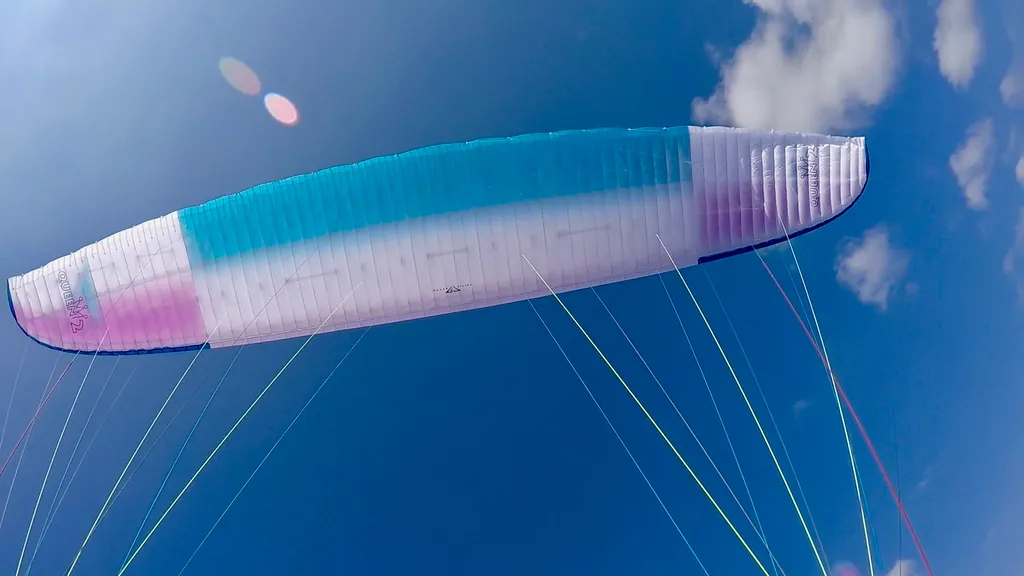
Triple Seven Queen 2 SM — A C-Class XC Package That Only Comes Together Loaded at the Top
What this wing does well is clear. It narrows its track without a big bank angle so it doesn't lose the small cores, it climbs fast in the strong ones, and it converts that height into a glide that gives nothing away to the Delta 3. The remark that it can dig into a core more tightly than the Trango X-Race sums up that character exactly. There's a condition attached, though: you have to load it. The optimum band is 96–100kg, the best point 98–99kg — and even loaded that way, at 4km/h over trim the Sigma 10 and the Delta 3 are still marginally ahead. A pilot who ranks glide above everything else should look elsewhere. The Queen 2 SM wins by turning tight, climbing fast, and crossing to the next thermal on a glide that costs nothing. It's a wing that adds up over a full competition day.
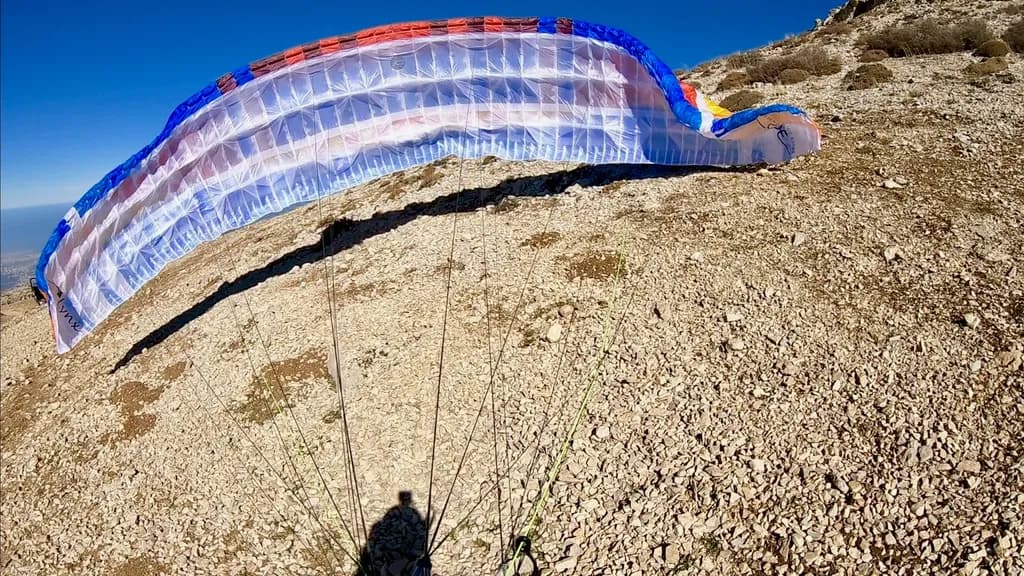
BGD Lynx M — The Wing That Makes You Forget Its 6.7 Aspect Ratio
What the Lynx sells isn't a line on a performance sheet — it's the combination of performance and comfort. Its glide stands in the same row as the Cayenne 5, Sigma 10 and Delta 3, but it costs the pilot less to extract that performance. That's exactly why Bassil added the Lynx to his list of handling benchmarks alongside the Trango X-race, Cayenne 5 XS and Sigma 10. Smoothness, of course, is not forgiveness. This is a 6.7 aspect ratio C wing whose sweet spot sits at the top of the weight range; fly it light and both brake pressure and agility go blurry. Only for the pilot ready to handle a C does the Lynx pay back a whole day of pleasure in the fingertips.
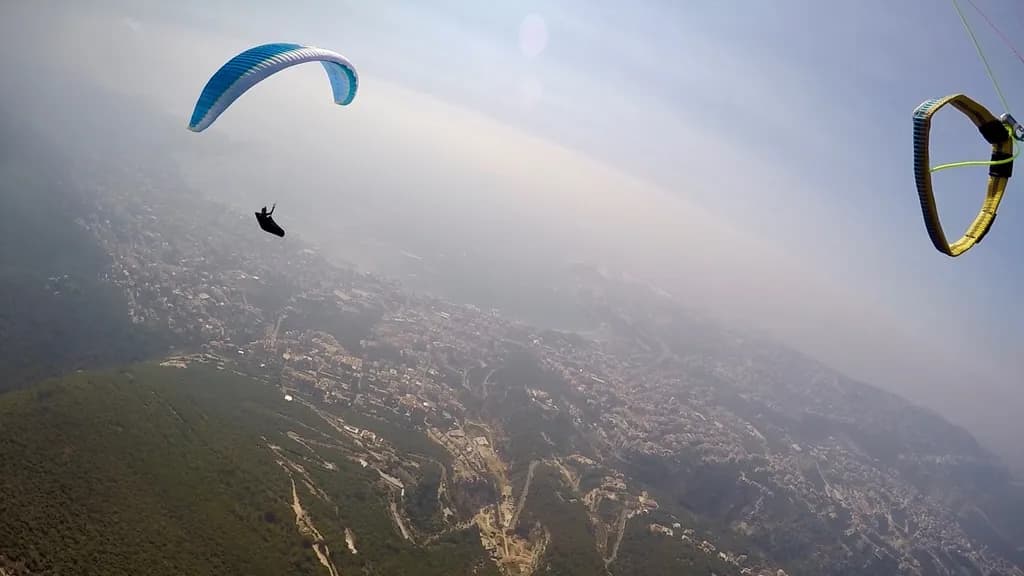
Gradient Aspen 6 (24) — An EN-C That Trades Feel for Efficiency
The strengths are clear. It climbs a little better than a Delta 3 MS, and on glide it stays right on the heels of the class leaders. And for a 6.4 aspect-ratio C wing, the launch doesn't punish the pilot. The price was the name itself. The feel that made an Aspen an Aspen is gone; the brakes got lighter while the handling asks you to be more careful, not less. The certification says C, but the concentration it demands runs higher. If you choose a wing for the pleasure of carving a thermal, the Delta 3 or Cayenne 5 is the better fit. If your satisfaction comes from how many kilometres the tracklog shows at the end of the day, the Aspen 6 wins that arithmetic.
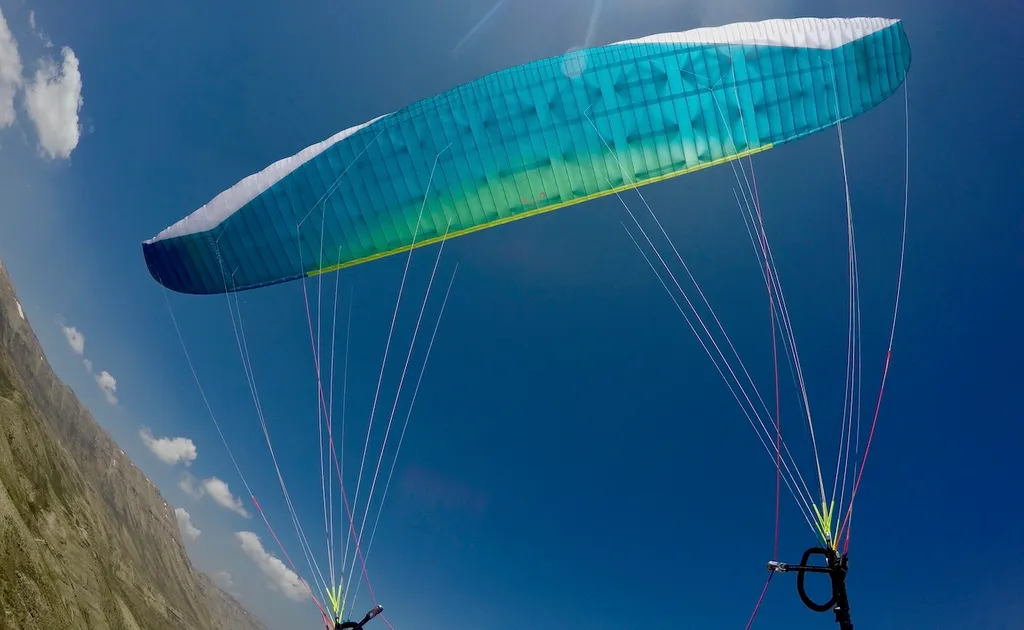
ADVANCE Sigma 10 — A True C Without Stretching the Aspect Ratio
The Sigma 10 shows its worth in rough air, not on paper. It concedes half a step to the Cayenne 5 in weak thermals, but as soon as the air gets messy it opens the glide gap and climbs better. The price of freezing the aspect ratio at 6.1 was paid back in structure and C-control. That character is selective about conditions. On a calm evening flight, this wing rarely gets a chance to show what it is good at, and its directly connected brakes only earn their keep with a pilot who flies actively in turbulence. For a pilot who has decided to go out into a rough sky, the Sigma 10 repays that decision in performance.
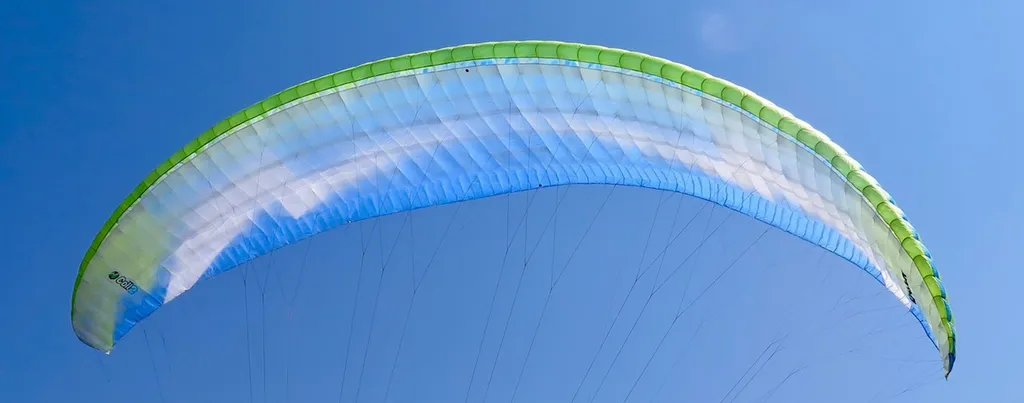
Dudek Colt 2 S — mid-C Performance, Held Back by a Hand's Width of Brake
The construction is excellent — lines, risers, cloth, finishing. The performance stands up next to a Cayenne 5, and the comfort is everything you'd want from a mid-C. But comfort isn't the only reason a pilot reaches for a C wing. The immediate brake response that lets you snatch a narrow core and pin the canopy overhead in rough air — that hand's width is precisely what the Colt 2 S won't give back. This isn't a glider that lacks performance. It's a glider that answers your input one beat late. For flying that banks lazily in wide thermals and racks up distance, it's a fine choice. If you fly with your fingertips, carving into cores, you'll meet that frustration on every turn — at exactly the point where Bassil asked Dudek to change the design.
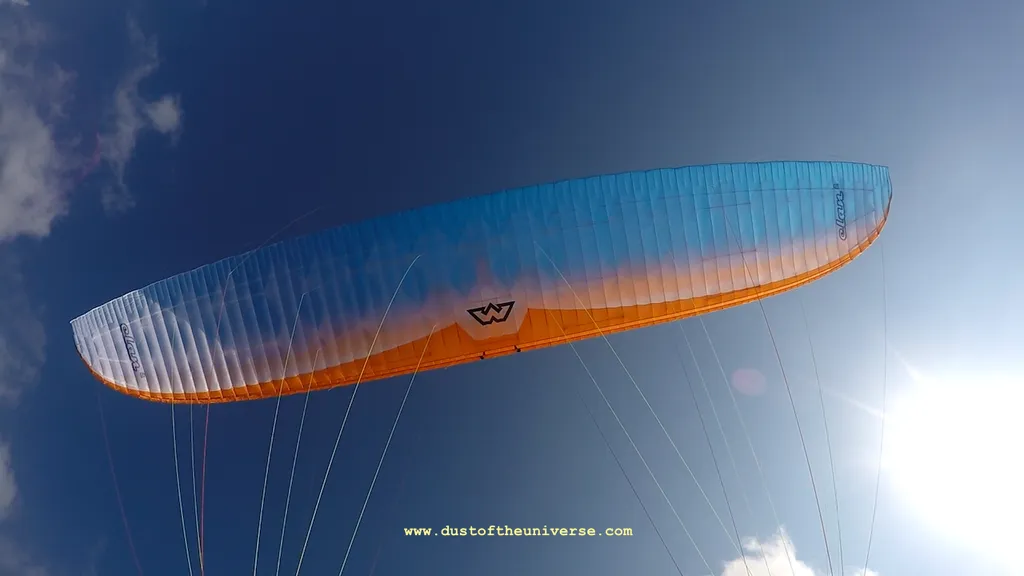
Mac Para Elan 2 (24 & 26) — The Gentlest C, and a Sharper One
An entry-level C usually trades away a slice of performance to buy comfort. The Elan 2 26 does not pay that price. It carries faster trim and top speed than the Cayenne 5, glide that ranks near the top of the class, and still earns a verdict of being milder than the Delta 3 ML. That mildness comes with conditions. You have to load it toward the top of the range, and it asks more of the hands than the Elan 1 did. And the 24, sharing the same name, flies like a different wing altogether. So the question in front of the Elan 2 is not the wing — it is the size. The 26 opens the door to C gently; the 24 puts you straight into the middle of the room.
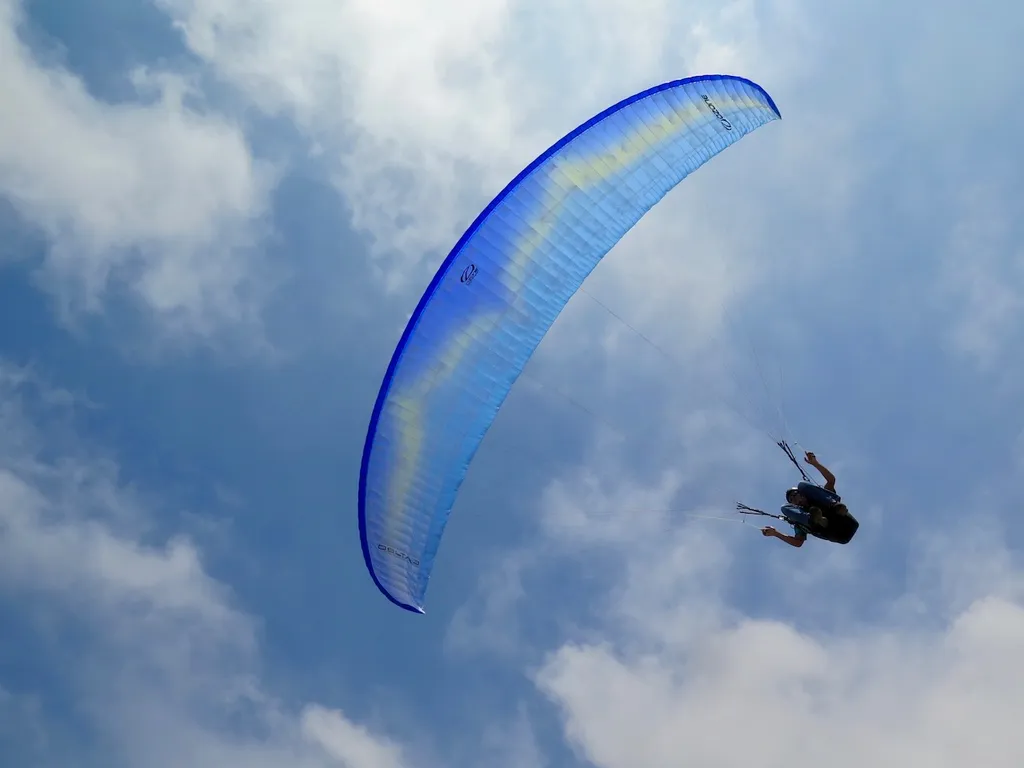
Ozone Delta 3 ML — A Comfortable C-Class XC Wing That Didn't Buy Its Performance With Aspect Ratio
The strengths are unambiguous. It climbs on every bubble without pushing the pilot around in turbulence, and it builds a glide advantage over the Cayenne 5 once the bar is on. This is the kind of wing that keeps you flying to the end of the day. The cost is just as clear. Riser feedback is down on the D2, and in weak lift the leading edge says almost nothing. On a marginal day, the pilot has to read the air before the wing does. Ozone declined the easy route of buying glide with span. What it removed instead was the tension that usually comes with flying a C.
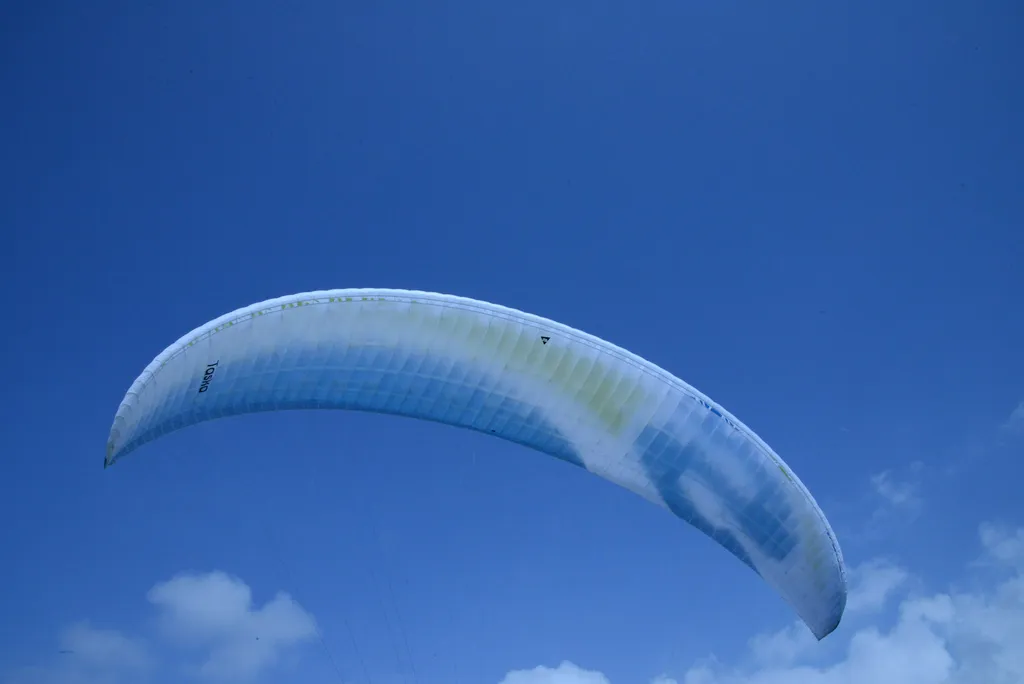
Supair Taska — a 6.35 aspect ratio hidden behind a gentle face
The Taska's strength is unambiguous. It barely lets you feel the tension of a 6.35 aspect ratio across a whole flight, and it gives nothing away in climb to the Cayenne 5 or the Trango X-race. Comfort was not traded for performance. What you shouldn't do is read that mildness as beginner-friendliness. The baseline for calling it comfortable is firmly inside the C category. Catching a half-risen canopy on the brakes in strong wind, damping accelerated movement on the C-risers — those are still the C-class pilot's job. What the Taska lowered is not the entry threshold, but the price a pilot who already handles a C pays for flying a 6.35.
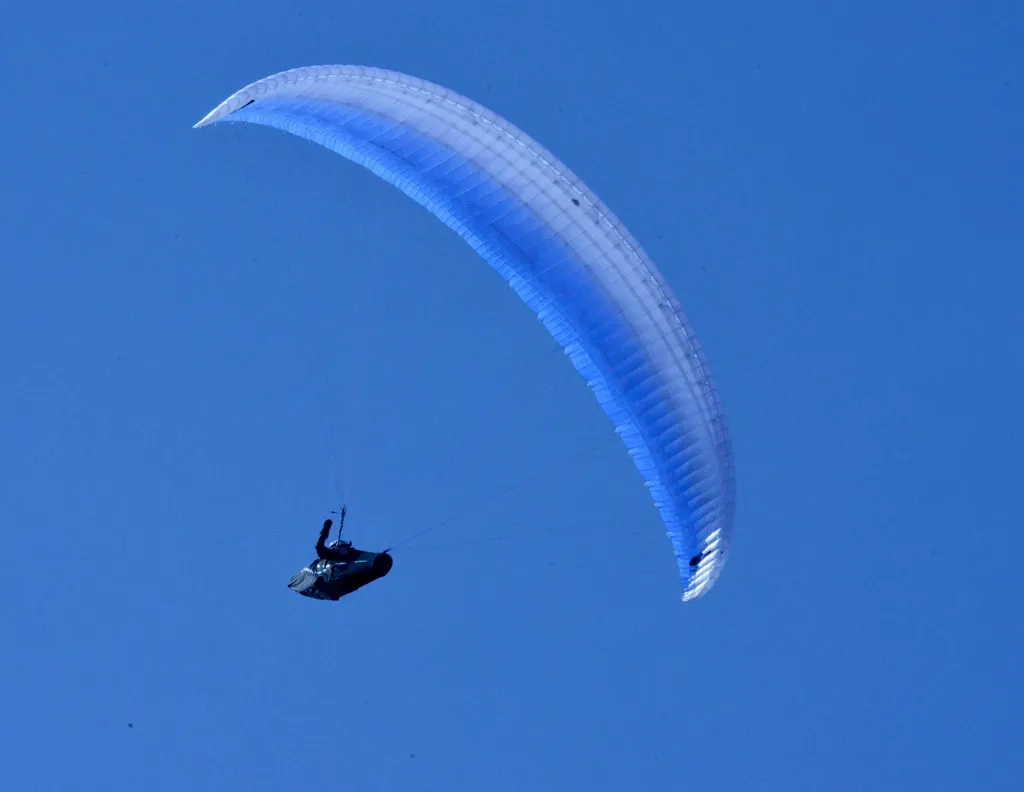
UP Trango X-Race SM — A High-End C Aiming at D-Class Performance
At the time, this is the C wing with the highest combined score for performance, comfort and handling — and its glide runs with the 3-liner Ds. But when Bassil writes "relatively easy to manage," the baseline is inside the high-end C class. Aspect ratio 6.9, unsheathed lines, a trailing edge that answers a 1 cm input, and big ears you can't quite trust all assume a pilot who reads the air and keeps working the wing. So the X-Race is less a taste of performance before stepping up to D, and more a wing that erases the reason to buy one. A lower letter on the label doesn't mean less work for your hands.
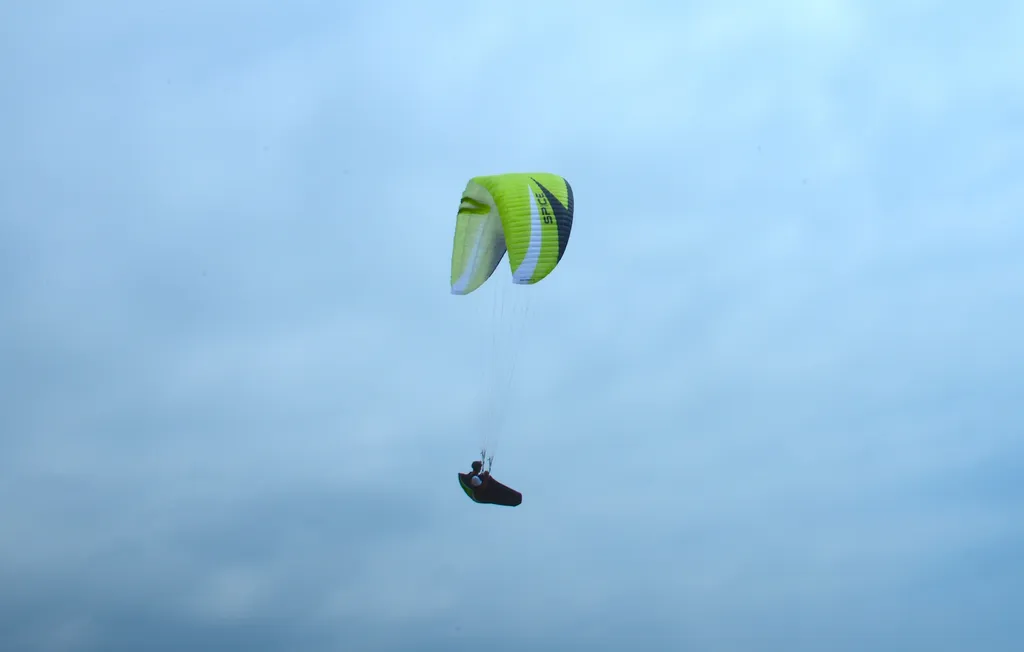
Skywalk Spice XS — A Lighter EN-C That Gives Up Nothing in Glide
It sheds weight, glides shoulder to shoulder with the Cayenne 5, and launches more easily than the wing it borrows from. The performance loss pilots routinely brace for when choosing a light wing is, on the Spice, barely visible. That is not to say it costs nothing. The grip on weak lift and the pitch-back on thermal entry are the price the light cloth pays. If you want a wing that holds you up low and slow on a soft day, look elsewhere. But if you want to walk up and then fly far, this combination is a rare one.
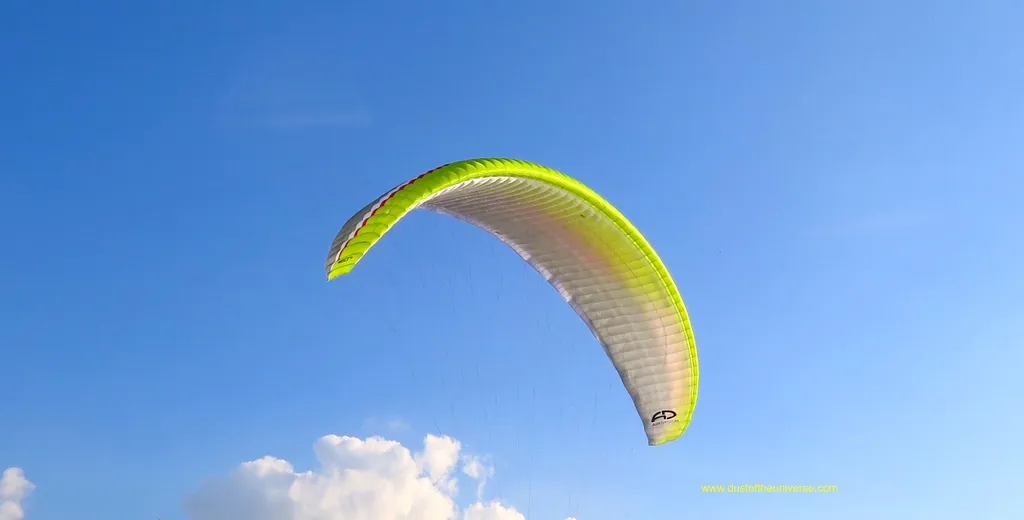
Air Design Volt 2 SM — Pleasant Coring, Dependable Build
What ties Air Design's line together, from the Volt 1 through the Rise 2 to the Volt 2, tells you what the brand was refining here. Rather than push the aspect ratio, they chose to sharpen agility and feel. That choice shows up clearest on accelerated flight. The C-riser handle holding pitch doesn't show up on a spec sheet, but it makes a real difference when you're riding the speed bar through rough air. A pilot stepping into class C for the first time needs trustworthy behavior more than a top glide-ratio figure. The Volt 2 SM delivers that reliably.
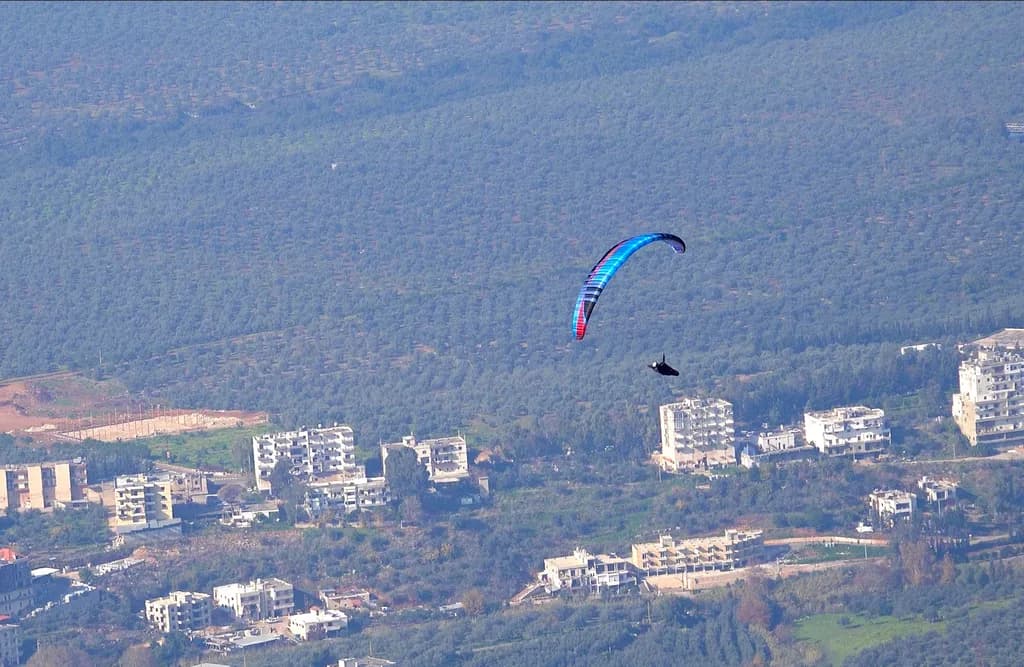
BGD Cure — An EN-C This Comfortable at Aspect Ratio 6.75
The number that worries a pilot stepping up from the BGD Base most is usually the aspect ratio. A higher figure comes with an assumption of harder handling — and at 6.75, the Cure sets a lot of that worry aside. The evidence is in how many times the review mixes it up with the Delta 2 SM. The rating sheet says C, but what's under your hands leans toward a gentler class. Glide matches the Alpina 2 SM, and behavior sits close to the Delta 2 SM's comfort — both in one wing worth a look for anyone stepping up.
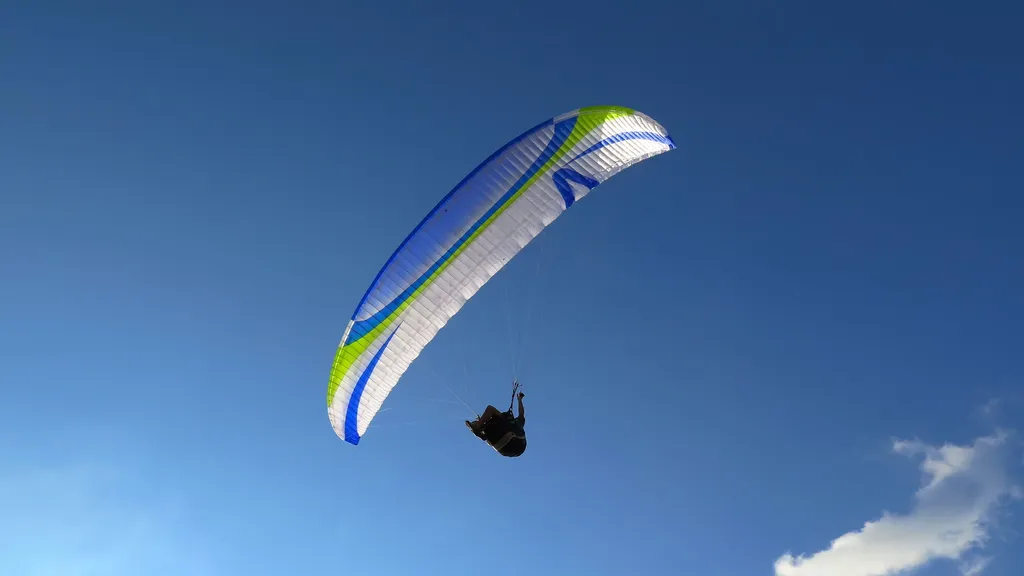
Skywalk Cayenne 5 XS — Balance at the Midpoint of the C-Box
What stands out in this review isn't a string of impressions — it's a number. Bassil actually assigns percentages to how much each C-class wing demands of a pilot: the Trango XC 3 and Triton 2 S toward the top, the Delta 2, Alpina 2, and Sigma 9 toward the bottom, and the Cayenne 5 sitting at 70% in between. That's a far more concrete coordinate than a verbal impression alone. What that coordinate tells you is clear. The Cayenne 5 has sharper feel than the C4, but it's not pushing all the way to the sharpest end of the C category. For a pilot who wants both performance and manageability, that middle spot is the more practical choice over the wings sitting at either extreme.